


An assessment of clinical reception training using standard patient and dental simulator in prosthodontic dentistry for dental undergraduates: a historical control trial
- PMID: 39731079
- PMCID: PMC11674498
- DOI: 10.1186/s12909-024-06563-z
An assessment of clinical reception training using standard patient and dental simulator in prosthodontic dentistry for dental undergraduates: a historical control trial
Abstract
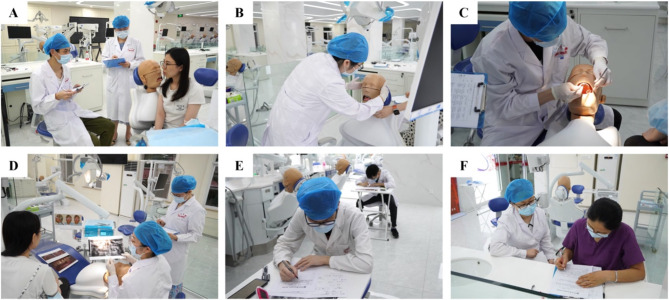
Background: Clinical reception training plays a crucial role in developing undergraduates' clinical thinking and competence. The study aimed to evaluate the effectiveness of clinical reception training conducted by standard patients (SPs) and dental simulators among undergraduate students.
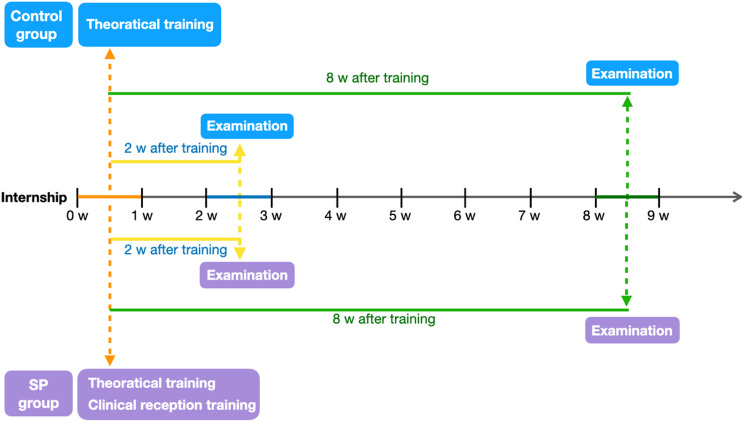
Materials and methods: In the first week of the internship, sixty-five 5th-year undergraduate students were divided into two groups: SP group, which received traditional theoretical training along with clinical reception training, and control group that only received traditional theoretical training. After 2 weeks and 8 weeks of training, all students were assessed with real patients by experienced prosthodontists using Mini-CEX assessment score sheets. Statistical analysis was performed using independent-samples T test or repeated-measures ANOVA (P < 0.05).
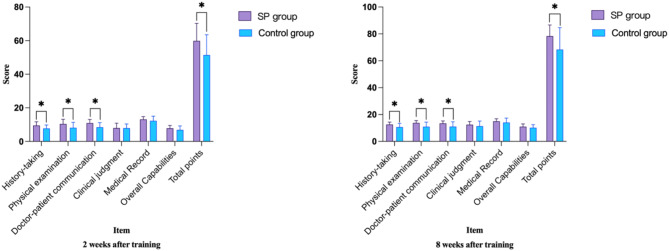
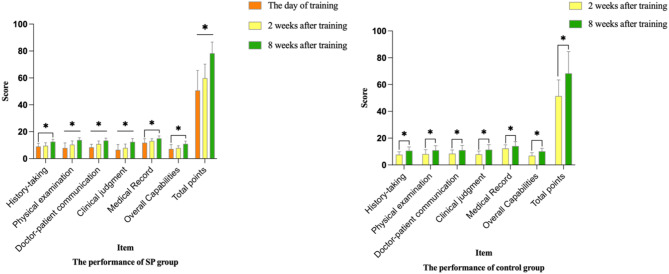
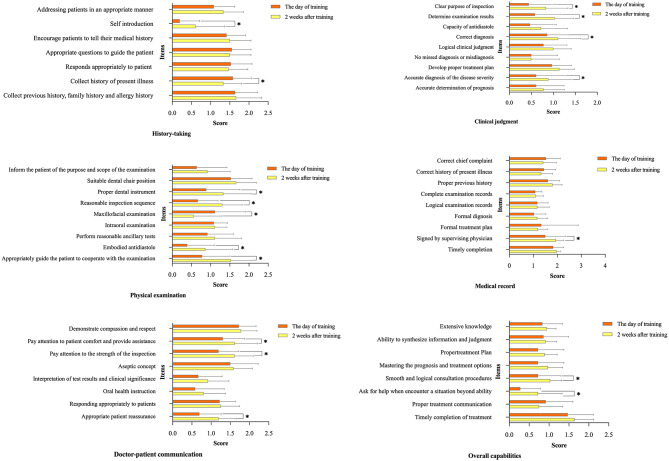
Results: The total performance of interns in the SP group was superior to that of the control group, particularly in history taking, physical examination, and doctor-patient communication (P < 0.05). There were no significant differences between the two groups in terms of clinical judgement, medical record, and overall capabilities. Both groups showed improved results after 8 weeks compared to those obtained after 2 weeks.
Conclusion: Integrating SPs and dental simulators into clinical reception training can effectively enhance undergraduate students' ability in history taking, physical examination, and doctor-patient communication. This training method effectively aids in mastering the reception process and is recommended for wider implementation in dental undergraduate education.
Keywords: Clinical reception training; Dental simulator; Prosthodontic dentistry; Standard patient; Undergraduate student.
© 2024. The Author(s).
Conflict of interest statement
Declarations. Ethics approval and consent to participate: The need for ethics approval was exempted by the Medical Ethics Committee of the Hospital of Stomatology, Sun Yat-sen University on October 9, 2022 (No. KQEC-2022–98 − 01). No biomedical, clinical or biometric data were obtained, and all methods were carried out in accordance with relevant guidelines and regulations in ethical declarations. Informed consent was shown along with the questionnaire before the survey. Informed consent was obtained from all participants and all of were over 18 years old. Consent for publication: Not applicable. Competing interests: The authors declare no competing interests.
Figures
References
-
- Jokstad A, Ørstavik J, Ramstad T. A definition of prosthetic dentistry[J]. Int J Prosthodont, 1998; 11(4). - PubMed
-
- American Dental Association. Specialty definitions: Definitions of recognized dental specialties[J]. 2016.
-
- Cowpe J, Plasschaert A, Harzer W, et al. Profile and competences for the graduating European dentist–update 2009[J]. Eur J Dent Educ. 2010;14(4):193–202. - PubMed
-
- Field JC, Walmsley AD, Paganelli C, et al. The graduating European dentist: contemporaneous methods of teaching, learning and assessment in dental undergraduate education[C]//European. J Dent Educ. 2017;21:28–35. - PubMed
MeSH terms
Grants and funding
- 2021JD024/the Teaching Reform of Clinical Teaching Bases in Guangdong Province in 2021
- 2021JD023/the Teaching Reform of Clinical Teaching Bases in Guangdong Province in 2021
- 2023-394-6/the Undergraduate Teaching Quality Engineering Project of Sun Yat-sen University in 2023
- Ling Yang, Experimental Teaching and Research Office of Prosthodontics/the Teaching Quality and Teaching Reform Project of Undergraduate Colleges in Guangdong Province in 2023
LinkOut - more resources
Full Text Sources
