


Evaluating sex-specific responses to western diet across the lifespan: impact on cardiac function and transcriptomic signatures in C57BL/6J mice at 530 and 640/750 days of age
- PMID: 39732652
- PMCID: PMC11682651
- DOI: 10.1186/s12933-024-02565-9
Evaluating sex-specific responses to western diet across the lifespan: impact on cardiac function and transcriptomic signatures in C57BL/6J mice at 530 and 640/750 days of age
Abstract
Background: Long-term consumption of Western Diet (WD) is a well-established risk factor for the development of cardiovascular disease (CVD); however, there is a paucity of studies on the long-term effects of WD on the pathophysiology of CVD and sex-specific responses.
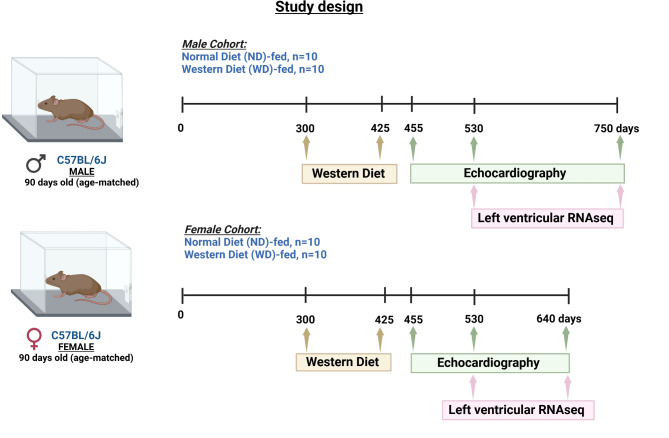
Methods: Our study aimed to investigate the sex-specific pathophysiological changes in left ventricular (LV) function using transthoracic echocardiography (ECHO) and LV tissue transcriptomics in WD-fed C57BL/6 J mice for 125 days, starting at the age of 300 through 425 days.
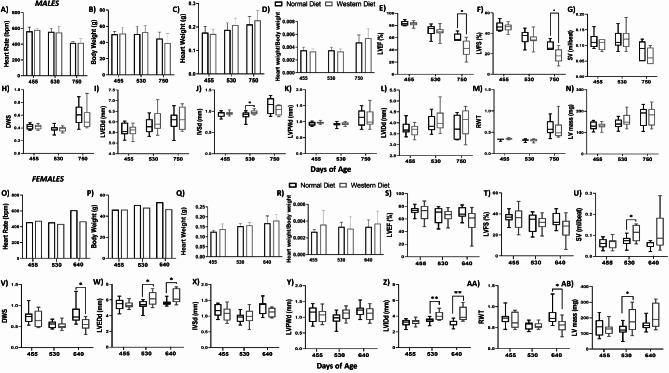
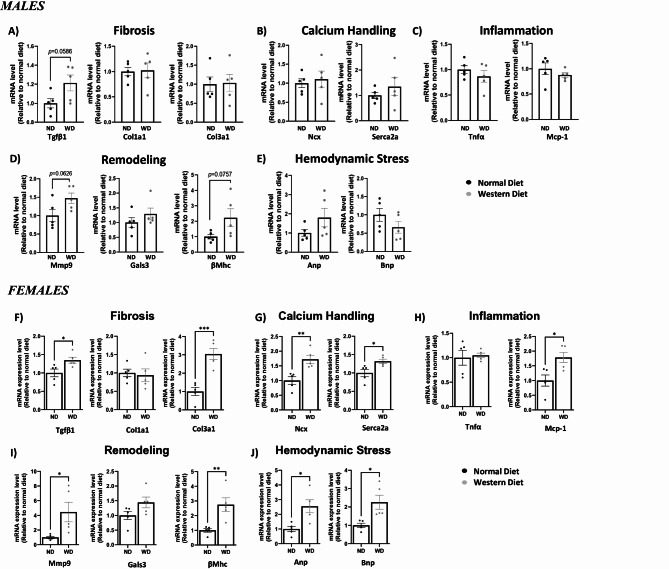
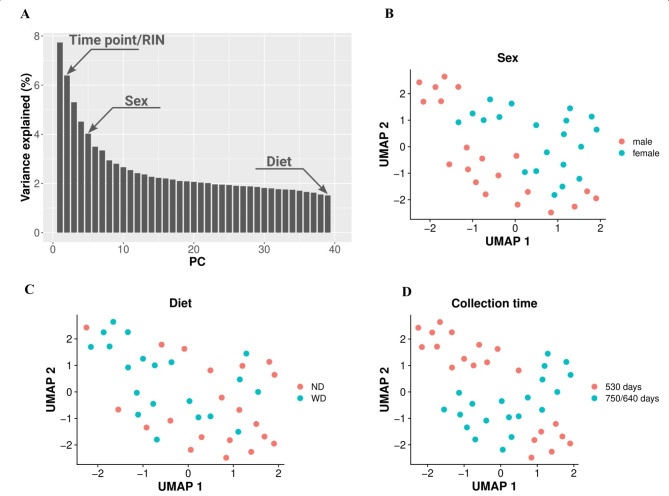
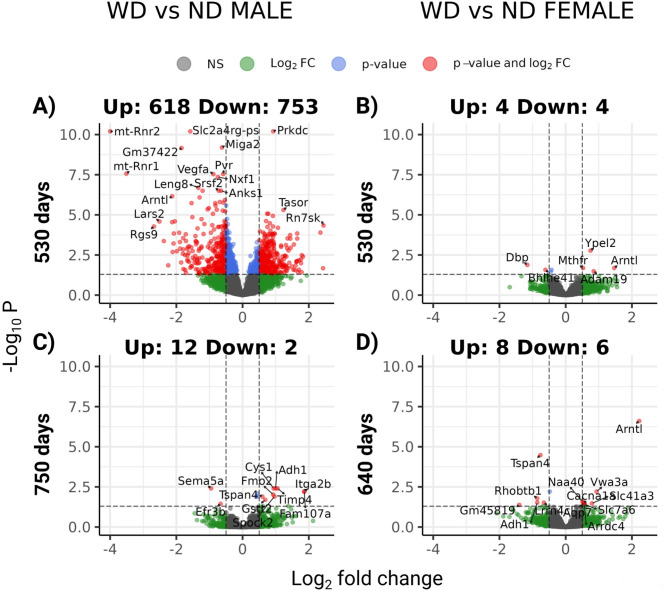
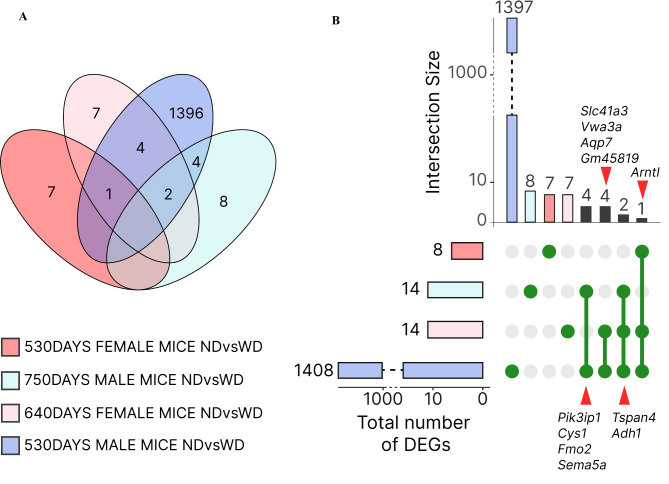
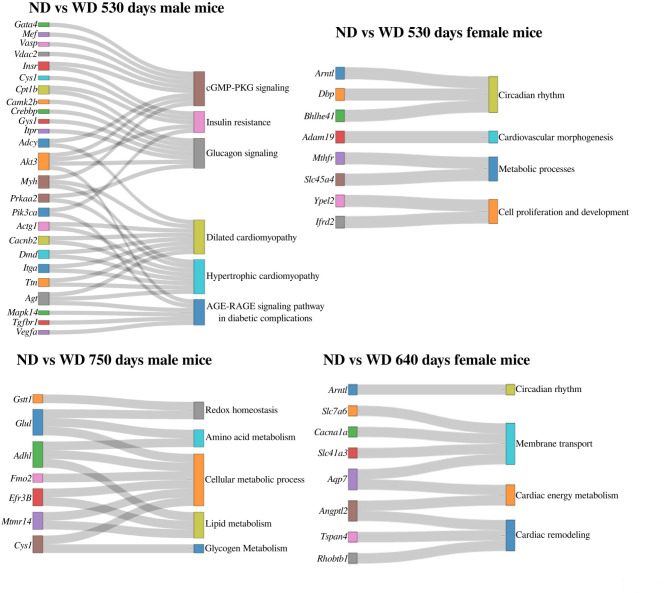
Results: In female mice, consumption of the WD diet showed long-term effects on LV structure and possible development of HFpEF-like phenotype with compensatory cardiac structural changes later in life. In male mice, ECHO revealed the development of an HFrEF-like phenotype later in life without detectable structural alterations. The transcriptomic profile revealed a sex-associated dichotomy in LV structure and function. Specifically, at 530-day, WD-fed male mice exhibited differentially expressed genes (DEGs), which were overrepresented in pathways associated with endocrine function, signal transduction, and cardiomyopathies. At 750 days, WD-fed male mice exhibited dysregulation of several genes involved in various lipid, glucagon, and glutathione metabolic pathways. At 530 days, WD-fed female mice exhibited the most distinctive set of DEGs with an abundance of genes related to circadian rhythms. At 640 days, altered DEGs in WD-fed female mice were associated with cardiac energy metabolism and remodeling.
Conclusions: Our study demonstrated distinct sex-specific and age-associated differences in cardiac structure, function, and transcriptome signature between WD-fed male and female mice.
Keywords: Cardiovascular; Heart; RNA sequencing; Sex; Western Diet.
© 2024. The Author(s).
Conflict of interest statement
Declarations. Ethics approval and consent to participate: All animal procedures were performed following the standards of the Guide for the Care and Use of Laboratory Animals for the National Institutes of Health and approved by the Animal Care and Use Committees at Brookhaven National Laboratory (BNL) (Upton, NY) (BNL IACUC Protocol #502) and the Icahn School of Medicine at Mount Sinai (NY, NY) (ISMMS IACUC Protocol #2019-0017). Consent for publication: Not applicable. Competing interests: The authors declare no competing interests.
Figures
References
-
- Tsao CW, Aday AW, Almarzooq ZI, Anderson CAM, Arora P, Avery CL, Baker-Smith CM, Beaton AZ, Boehme AK, Buxton AE, et al. Heart disease and stroke statistics-2023 update: a report from the american heart association. Circulation. 2023;147(8):e93–621. - PubMed
-
- Zhao Y, Li D, Huang T. Associations of dietary flavonoids and subclasses with total and cardiovascular mortality among 369,827 older people: the NIH-AARP Diet and Health Study. Atherosclerosis. 2023;365:1–8. - PubMed
-
- Pazoki R, Dehghan A, Evangelou E, Warren H, Gao H, Caulfield M, Elliott P, Tzoulaki I. Genetic predisposition to high blood pressure and lifestyle factors: associations with midlife blood pressure levels and cardiovascular events. Circulation. 2018;137(7):653–61. - PubMed
Publication types
MeSH terms
Grants and funding
LinkOut - more resources
Full Text Sources
Molecular Biology Databases
