


A reinforcement learning approach to effective forecasting of pediatric hypoglycemia in diabetes I patients using an extended de Bruijn graph
- PMID: 39732907
- PMCID: PMC11682413
- DOI: 10.1038/s41598-024-82649-4
A reinforcement learning approach to effective forecasting of pediatric hypoglycemia in diabetes I patients using an extended de Bruijn graph
Abstract
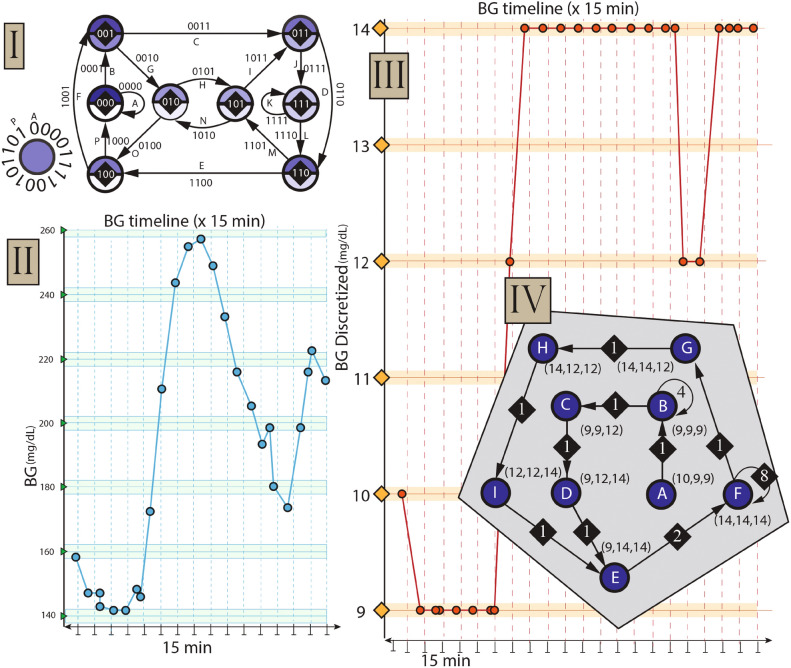
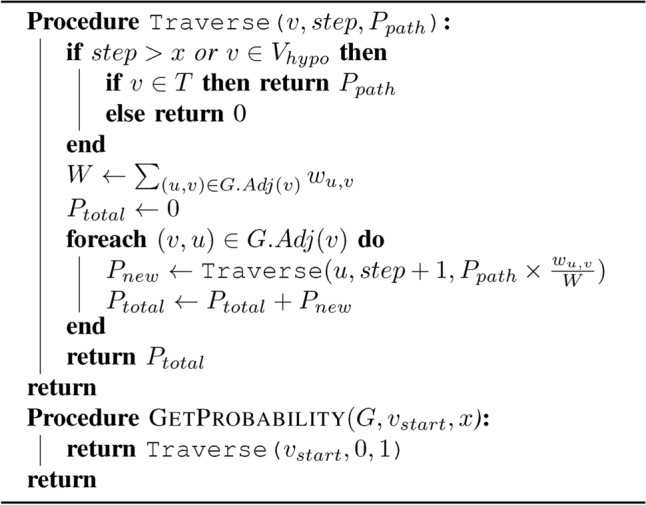
Pediatric diabetes I is an endemic and an especially difficult disease; indeed, at this point, there does not exist a cure, but only careful management that relies on anticipating hypoglycemia. The changing physiology of children producing unique blood glucose signatures, coupled with inconsistent activities, e.g., playing, eating, napping, makes "forecasting" elusive. While work has been done for adult diabetes I, this does not successfully translate for children. In the work presented here, we adopt a reinforcement approach by leveraging the de Bruijn graph that has had success in detecting patterns in sequences of symbols-most notably, genomics and proteomics. We translate a continuous signal of blood glucose levels into an alphabet that then can be used to build a de Bruijn, with some extensions, to determine blood glucose states. The graph allows us to "tune" its efficacy by computationally ignoring edges that provide either no information or are not related to entering a hypoglycemic episode. We can then use paths in the graph to anticipate hypoglycemia in advance of about 30 minutes sufficient for a clinical setting and additionally find actionable rules that accurate and effective. All the code developed for this study can be found at: https://github.com/KurbanIntelligenceLab/dBG-Hypoglycemia-Forecast .
© 2024. The Author(s).
Conflict of interest statement
Declarations. Competing interests: The authors declare no competing interests. Ethics statement: The study methodology, consent, and assent forms were approved by the Institutional Review Boards of Texas A &M University (IRB2019-0378F) and Sidra Medicine (1536095). After being informed about the study’s specifics, adolescents and their parents/guardians signed written informed consent and parental permission forms. All participants were recruited from T1D patients getting treatment at Sidra Medicine’s Endocrinology and Diabetic Clinic in Qatar. All methods were performed in accordance with relevant guidelines and regulations.
Figures



References
-
- Lawrence, J.M., Cadagrande, S.S., Herman, W.H. et al.Diabetes in America. National Institute of Diabetes and Digestive and Kidney Diseases (NIDDK), (2023). - PubMed
MeSH terms
Substances
LinkOut - more resources
Full Text Sources
Medical
