


VIPAS39 related arthrogryposis-renal dysfunction-cholestasis syndrome-case report and systematic review
- PMID: 39736737
- PMCID: PMC11684101
- DOI: 10.1186/s13023-024-03486-2
VIPAS39 related arthrogryposis-renal dysfunction-cholestasis syndrome-case report and systematic review
Abstract
Background: Arthrogryposis-renal dysfunction-cholestasis (ARC) syndrome, a rare autosomal recessive disorder, exhibits genetic heterogeneity with the VIPAS39 gene pathological variants being a distinct contributor.
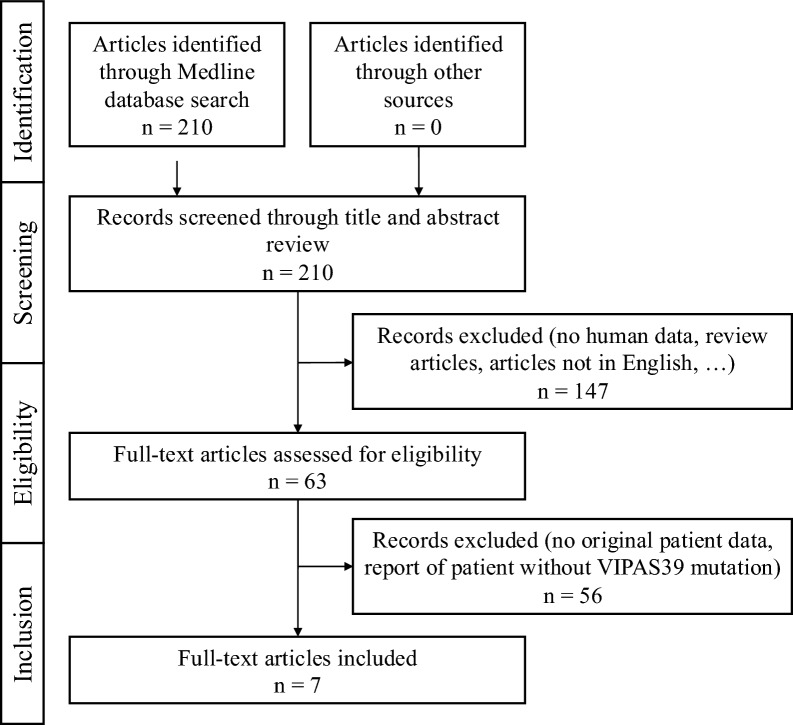
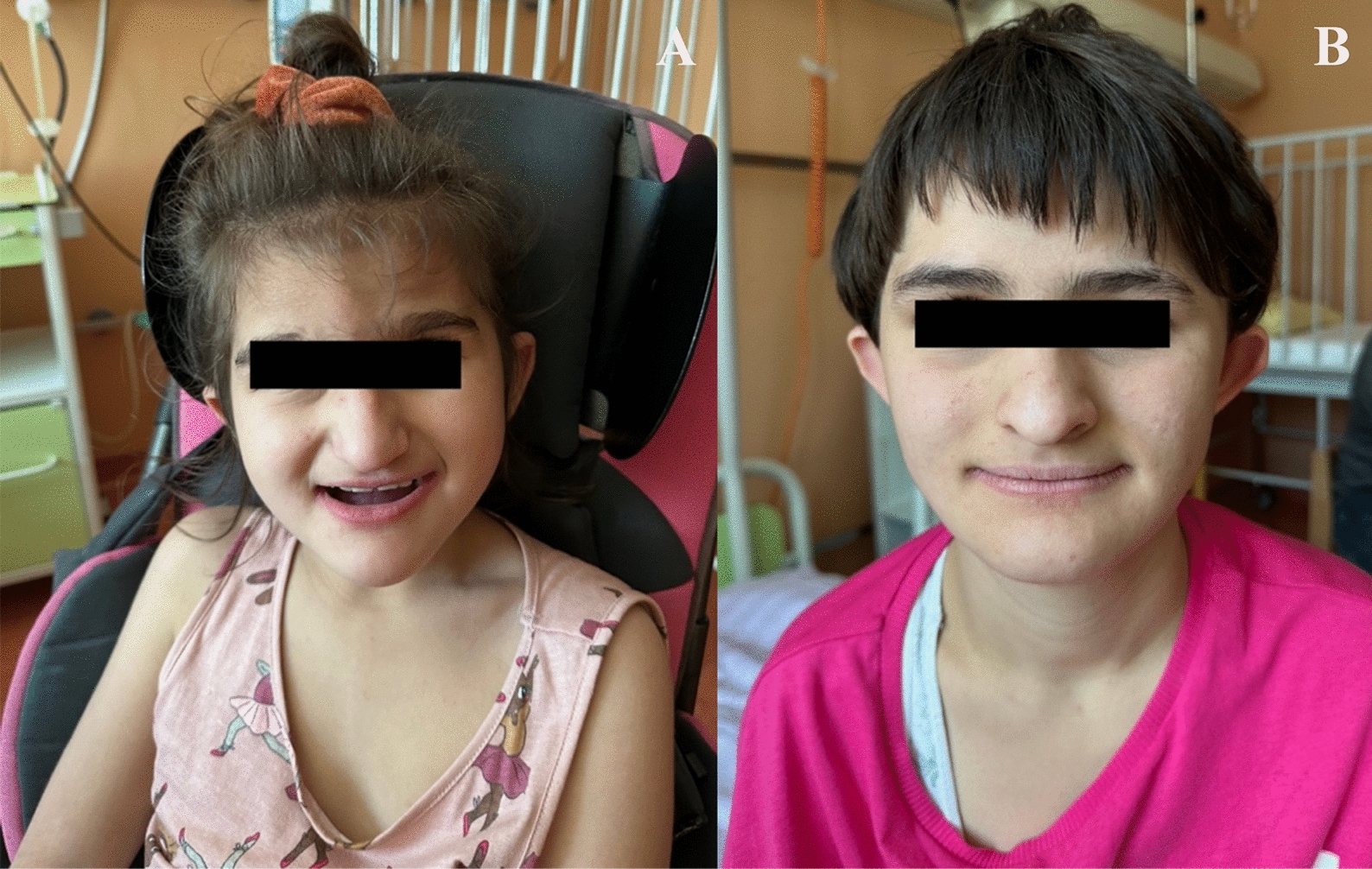
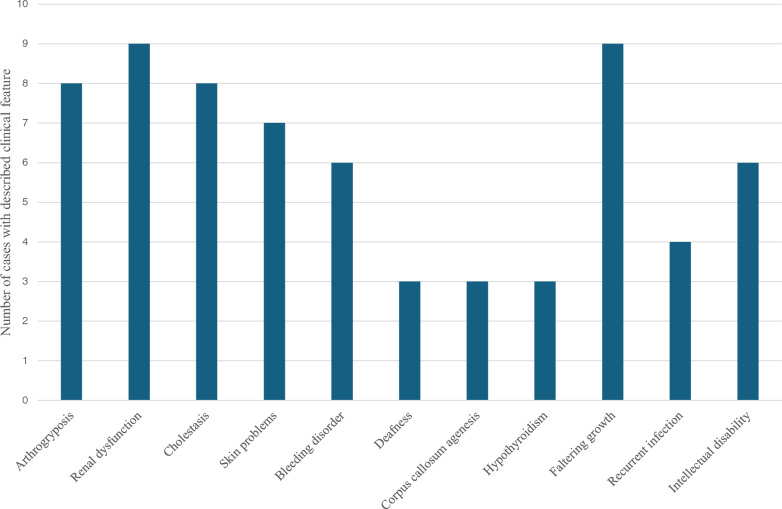
Results: We present two related patients from Kosovo, describing the clinical, genetic, and therapeutic aspects of the syndrome. The identified novel VIPAS39 pathological variants (c.762G > A; c.1064_1082delinsAGTG) emphasize the complex phenotypic expression of ARC syndrome. A systematic literature review identified 8 VIPAS39-related ARC cases with notable variability in clinical features. Prognostically, patients fell into severe and milder groups, with some reaching adolescence. Our report aligns with others noting milder ARC courses and emphasizes the value of genetic testing, especially in atypical presentations. Challenges included incomplete literature data, early mortality affecting diagnostic workup, and limited VIPAS39-related ARC cases. Comparisons with the more prevalent VPS33B pathological variants revealed no distinct clinical differences.
Conclusion: Our study expands understanding of ARC syndrome, highlighting its genetic diversity and clinical variability. Milder presentations underscore diagnostic challenges and the potential prevalence of undiagnosed cases. Increased awareness and comprehensive genetic testing are crucial for early and accurate diagnosis.
Keywords: ARC syndrome; ARCS2; Arthrogryposis–renal dysfunction–cholestasis syndrome; VIPAR; VIPAS39.
© 2024. The Author(s).
Conflict of interest statement
Declarations. Ethics approval and consent to participate: Ethical approval was not required for this study as it is a case report, which does not fall under the scope of research requiring ethics committee approval. Consent for publication: Consent for publication was obtained from the parents of the individuals featured in the manuscript using our institutional consent form. Competing interests: The authors declare that they have no competing interests.
Figures
References
Publication types
MeSH terms
Substances
Supplementary concepts
LinkOut - more resources
Full Text Sources
