


Prevalence of common conditions and associated mortalities of dogs treated at the small animal clinic, Makerere University, Kampala, Uganda
- PMID: 39736747
- PMCID: PMC11687069
- DOI: 10.1186/s12917-024-04432-x
Prevalence of common conditions and associated mortalities of dogs treated at the small animal clinic, Makerere University, Kampala, Uganda
Abstract
Background: In developing countries such as Uganda, domestic dogs suffer high burdens of infectious diseases often with high mortalities. Surveillance data on the common diseases and associated mortalities is however scanty. We thus, present results of a retrospective study of common clinical conditions and mortalities of dogs brought for treatment at the small animal clinic, Makerere University, Kampala, Uganda.
Methods: We analysed data from the case records register of the clinic from January 2021-December, 2022. Descriptive statistics were generated using the frequency functions of R (R-4.3.3 for Windows®). Records were reviewed for all 650 cases presented at the clinic except those presented for routine care services like vaccination and grooming.
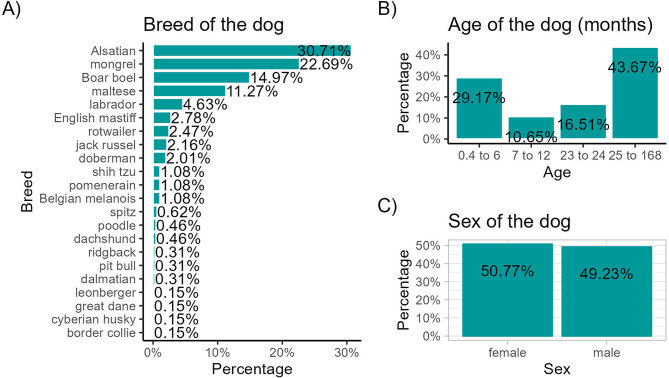
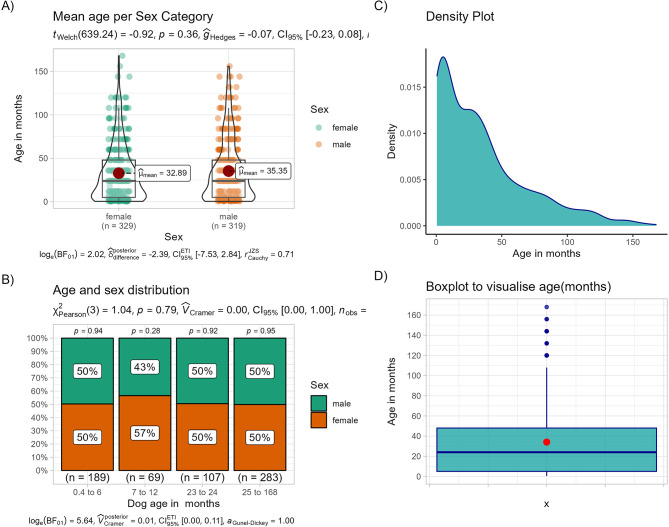
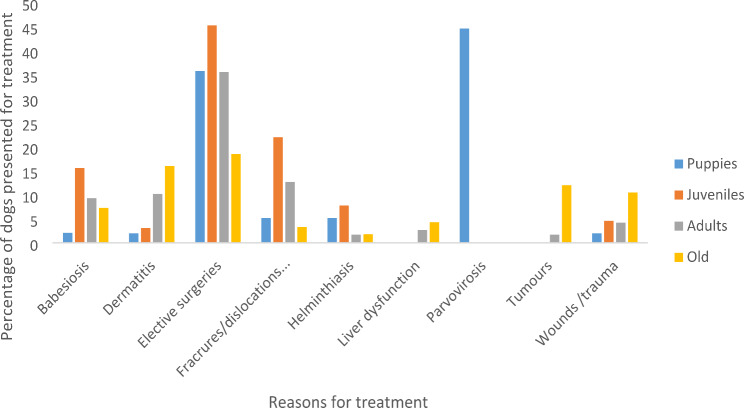
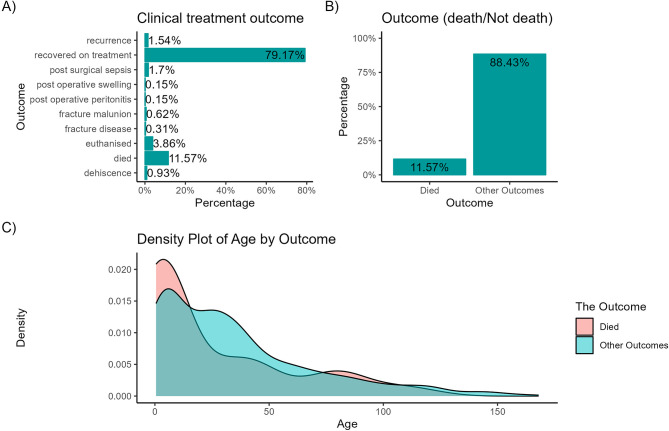
Results: Up to 51% of the dogs were female, mostly (56%) under two years old. The Alsatian (30.7%) and mongrel (22.7%) were the commonest breeds. Cases were recorded as: elective surgeries (29.2%), parvovirus infection (13.9%), skin infections (09.7%), canine babesiosis (6.9%), fractures (6.0%) and neoplasms (6%); mainly transmissible venereal tumour (TVT). Some (3.4%) dogs developed post-operative complications, while 4.8% were euthanized and 12% died during treatment. Of the dogs that died, 50% were parvovirus infection cases while other conditions included babesiosis (13%), poisoning (7.8%), pyometra (7.8%) and liver dysfunction (5.1%).
Conclusion: We impute that parvovirus infection and other preventable diseases were the most frequent reasons for morbidity and mortality of especially puppies in Uganda. This points to the need for epidemiologic surveillance of dog diseases and community sensitisation for improved control of dog diseases.
Keywords: Clinical conditions; Dogs; Mortalities; Uganda.
© 2024. The Author(s).
Conflict of interest statement
Declarations. Ethical approval and consent to participate: Data was retrieved from an archived source i.e. a case record book of the Small Animal Clinic, a teaching facility at Makerere University in Kampala, Uganda. All the authors are members of the faculty at Makerere University. Clinicians within the clinic are all registered/licensed to practice by the Uganda Veterinary Board. The dogs were therefore handled in accordance with the ethical standards prescribed in the veterinary practitioners’ code of conduct, Uganda. Operative procedures were performed following informed consent of pet owners who signed on the clinic’s standard consent forms. Consent for publication: This is not applicable. Competing interests: The authors declare no competing interests.
Figures
References
-
- Daniels TJ, Bekoff M. Population and social biology of free-ranging dogs. Canis familiaris J Mammalogy. 1989;70(4):754–62. 10.2307/1381709.
-
- Jafri SA, Rabbani M. Prevalence of canine diseases in Lahore area. Pakistan Veterinary J. 1999;19(1):40–2.
MeSH terms
LinkOut - more resources
Full Text Sources
