


Decreased telomerase activity and shortened telomere length in infants whose mothers have gestational diabetes mellitus and increased severity of telomere shortening in male infants
- PMID: 39736866
- PMCID: PMC11682970
- DOI: 10.3389/fendo.2024.1490336
Decreased telomerase activity and shortened telomere length in infants whose mothers have gestational diabetes mellitus and increased severity of telomere shortening in male infants
Abstract
Objective: Gestational diabetes mellitus (GDM) is a common complication during pregnancy and increases the risk of metabolic diseases in offspring. We hypothesize that the poor intrauterine environment in pregnant women with GDM may lead to chromosomal DNA damage and telomere damage in umbilical cord blood cells, providing evidence of an association between intrauterine programming and increased long-term metabolic disease risk in offspring.
Methods: We measured telomere length (TL), serum telomerase (TE) activity, and oxidative stress markers in umbilical cord blood mononuclear cells (CBMCs) from pregnant women with GDM (N=200) and healthy controls (Ctrls) (N=200) and analysed the associations of TL with demographic characteristics, biochemical indicators, and blood glucose levels.
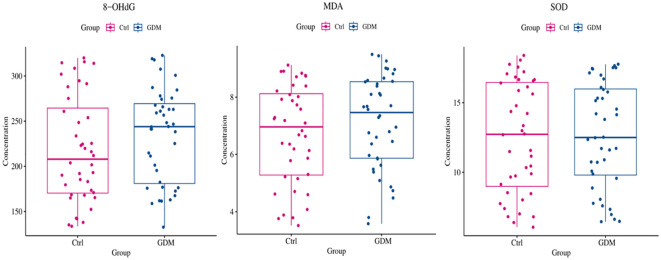
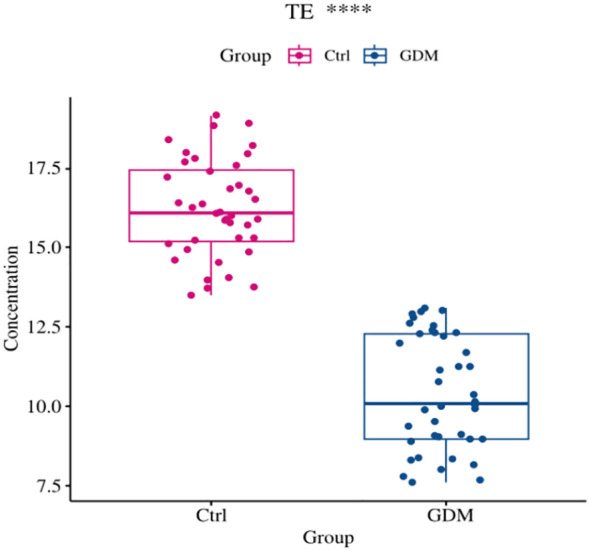
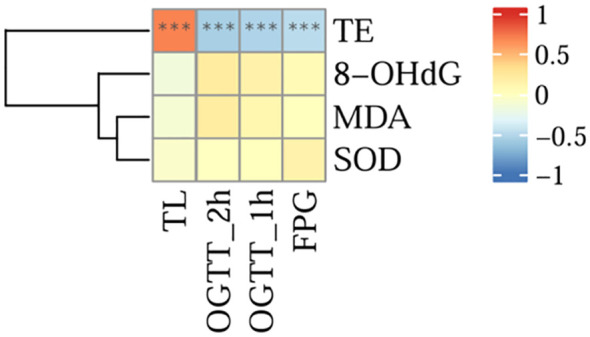
Results: The length of telomeres in umbilical CBMCs in the GDM group was significantly shorter than that in the Ctrl group (P<0.001), and the shortening of telomeres in male infants in the GDM group was more significant than that in the Ctrl group (P<0.001) after adjustment for Pre-pregnancy body mass index (PBMI), Pregnancy weight gain (PGW), and Triglyceride (TG) as confounding factors. In addition, the TE expression level in the GDM group was lower after adjustment. There was no statistically significant difference in oxidative stress hydroxydeoxyguanosine (8-OHdG), malondialdehyde (MDA) and superoxide dismutase (SOD) between the two groups. TL was positively correlated with TE activity, and both were negatively correlated with blood glucose levels. There was no correlation between TL and Gestational age (GA), PBMI, PGW, or TG levels.
Conclusion: The poor intrauterine environment in pregnant women with GDM increases telomere attrition and reduces TE activity, which may be potential genetic risk factors for an increased risk of metabolic diseases in offspring later in life due to intrauterine reprogramming.
Keywords: GDM; TE; TL; gestational diabetes mellitus; telomerase; telomere length.
Copyright © 2024 Liu, Xu, Cheng, Liu, Zhang, Chen and Zheng.
Conflict of interest statement
The authors declare that the research was conducted in the absence of any commercial or financial relationships that could be construed as a potential conflict of interest.
Figures


References
-
- Wang H, Li N, Chivese T, Werfalli M, Sun H, Yuen L, et al. . IDF diabetes atlas: estimation of global and regional gestational diabetes mellitus prevalence for 2021 by international association of diabetes in pregnancy study group’s criteria. Diabetes Res Clin Pract. (2022) 183:109050. doi: 10.1016/j.diabres.2021.109050 - DOI - PubMed
-
- Diagnostic criteria and classification of hyperglycaemia first detected in pregnancy. Geneva: World Health Organization; (2013). - PubMed
MeSH terms
Substances
LinkOut - more resources
Full Text Sources
Miscellaneous
