


Clinical characteristics and serological profiles of Lyme disease in children: a 15-year retrospective cohort study in Switzerland
- PMID: 39736882
- PMCID: PMC11683244
- DOI: 10.1016/j.lanepe.2024.101143
Clinical characteristics and serological profiles of Lyme disease in children: a 15-year retrospective cohort study in Switzerland
Abstract
Background: Lyme disease (LD) is caused by Borrelia burgdorferi and is the most common tickborne disease in the northern hemisphere. Although classical characteristics of LD are well-known, the diagnosis and treatment are often delayed. Laboratory diagnosis by serological testing is recommended for most LD manifestations. The objective of this study was to describe clinical characteristics and associated serological profiles in children with LD.
Methods: This retrospective cohort study included children aged 0-18 years, diagnosed with LD according to current guidelines at University Children's Hospital Zurich between January 1, 2006 and December 31, 2020. Two-tier serological testing with the recomWell enzyme-linked immunosorbent assay and recomLine Western blot (MIKROGEN Diagnostik, MIKROGEN GmbH, Neuried, Germany) was performed at the Institute of Medical Microbiology, University of Zurich.
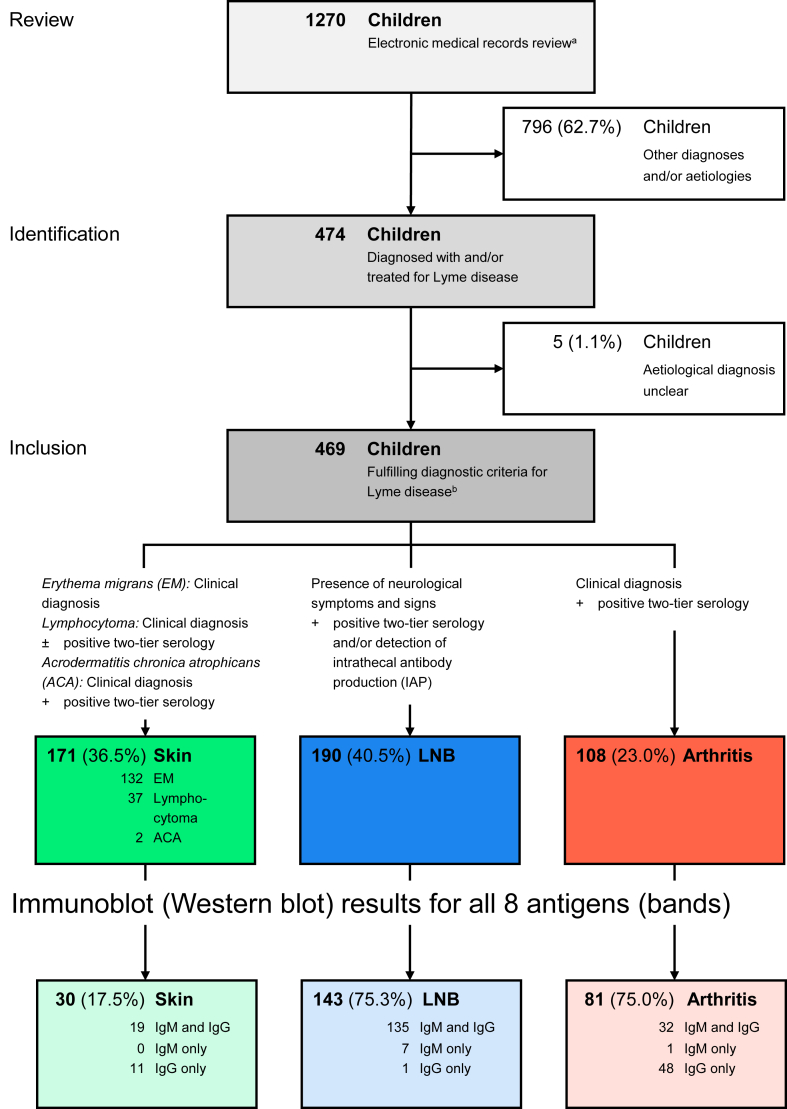
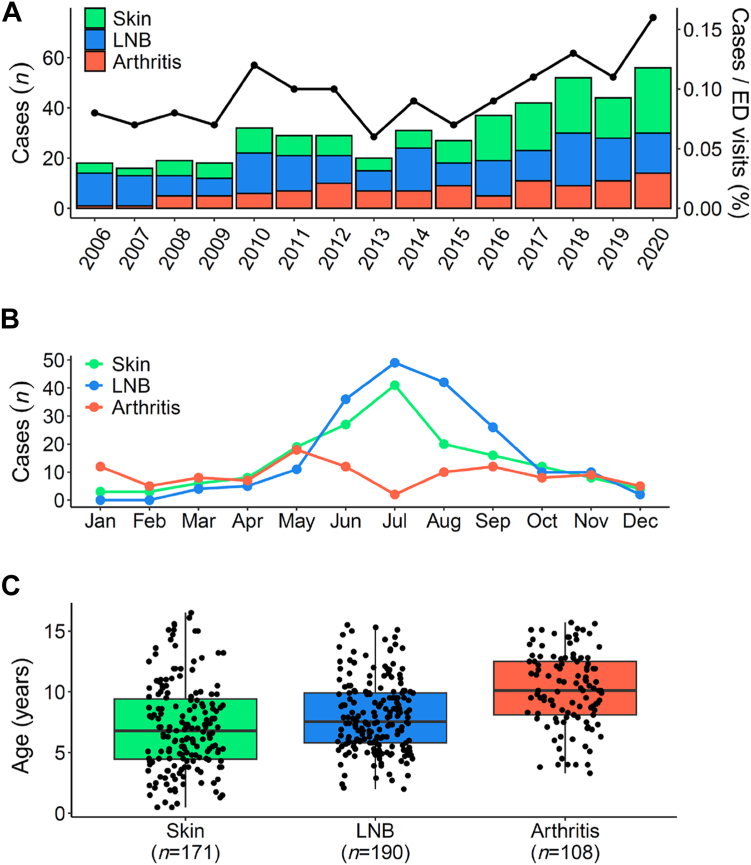
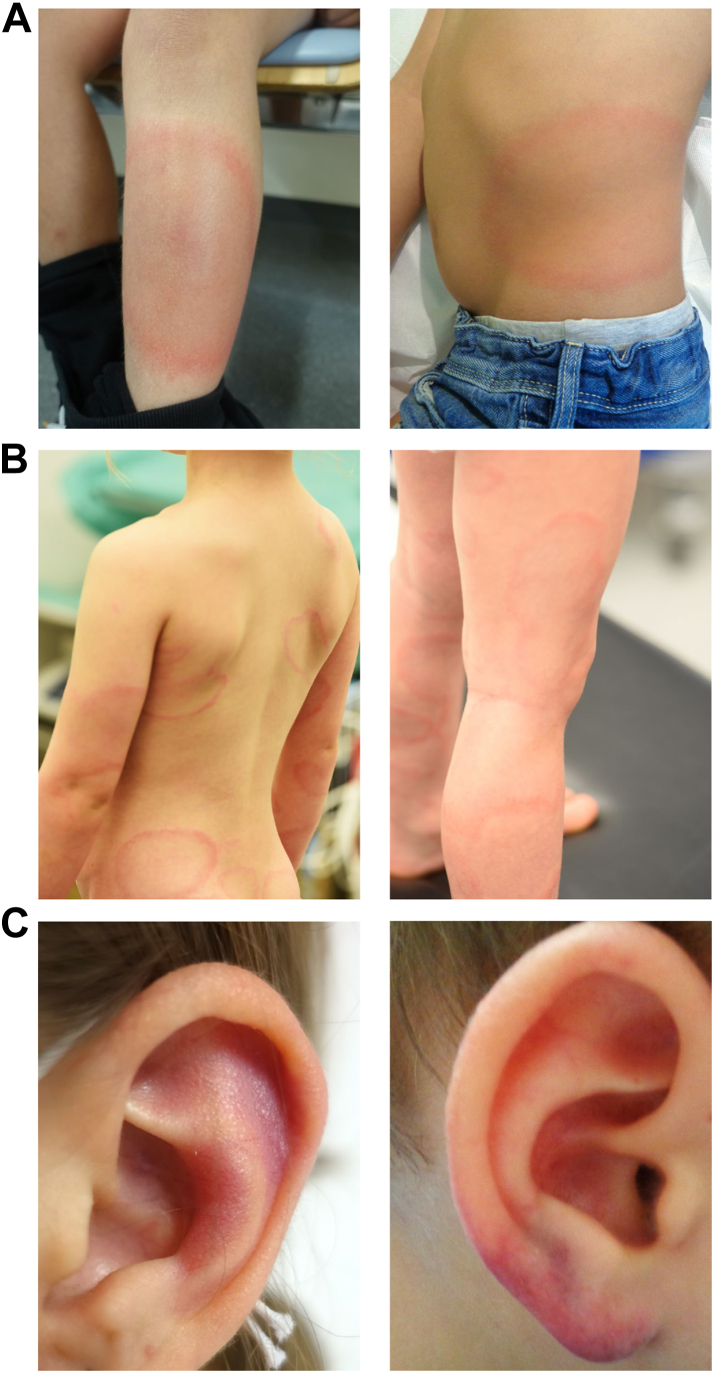
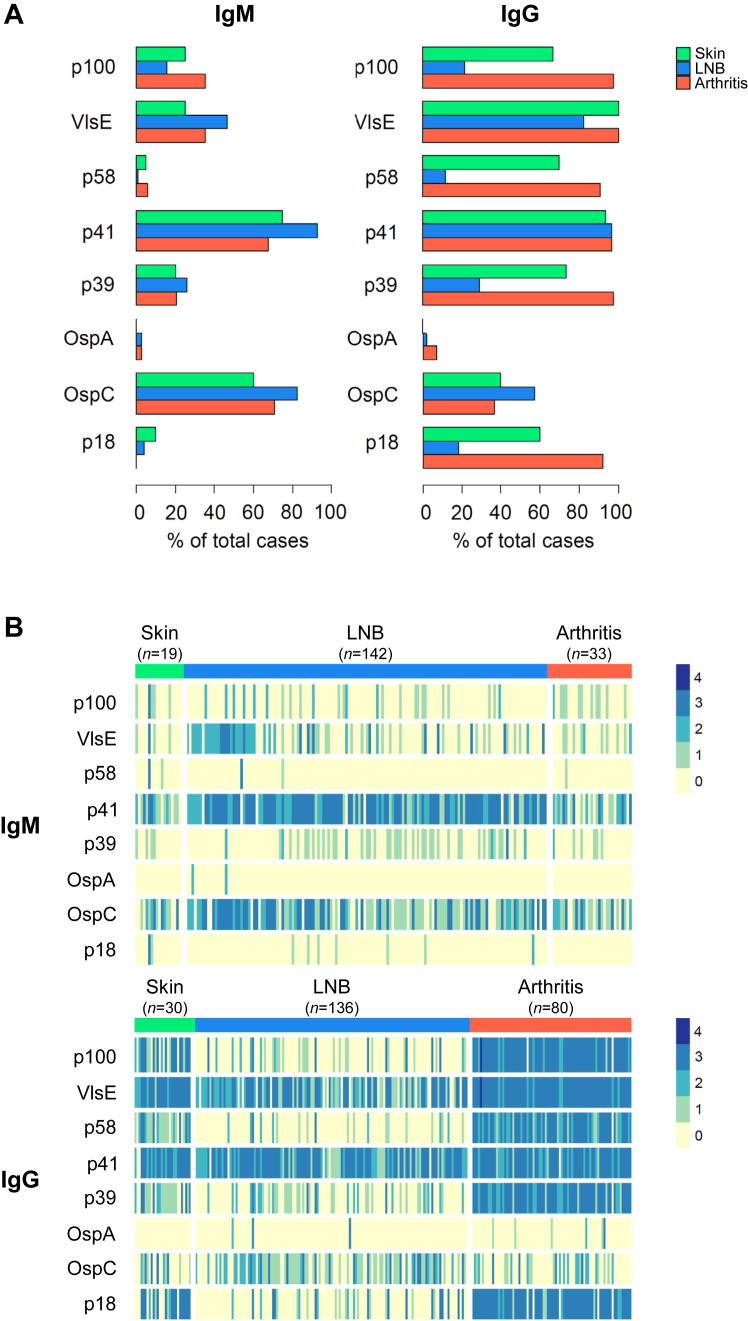
Findings: In total, 469 children diagnosed with LD were included (median age, 7.9 years); 190 patients (40.5%) with Lyme neuroborreliosis (LNB), 171 (36.5%) patients with skin manifestations (erythema migrans, n = 121; multiple erythema migrans, n = 11; borrelial lymphocytoma, n = 37; and acrodermatitis chronica atrophicans, n = 2), and 108 (23.0%) patients with Lyme arthritis. We observed seasonal variations for patients with skin manifestations and LNB, with high prevalence in May-October, but not for patients with Lyme arthritis. Significant differences between LD manifestation groups were found for age, inflammatory parameters, and specificity and concentration of B. burgdorferi-specific serum antibody responses. We observed distinct patterns of pronounced serum antibody responses against B. burgdorferi antigens in LNB (IgM against VlsE, p41, and OspC) and Lyme arthritis (IgG against p100, VlsE, p58, p41, p39, and p18).
Interpretation: Our study is one of the largest and most detailed for children with LD. We present unique findings regarding the differences in clinical characteristics and immune responses between various manifestations of LD in children.
Funding: No specific funding to disclose for this study.
Keywords: Borrelia burgdorferi; Erythema migrans; Facial nerve palsy; Lyme arthritis; Meningitis; Neuroborreliosis.
© 2024 The Author(s).
Conflict of interest statement
In the past 36 months, P.M.M.S. has served on advisory boards (Roche, Sanofi, AstraZeneca) and given presentations (Fomf, FPH Forum, ZAIM MediDays, Insight Paediatrics) with payments to the institution (University Children's Hospital Zurich). A.E. has received consultancy fees from Sefunda and Phast (advisory role to start-up companies), honoraria for presentations at various conferences at industry sponsored symposia (lllumina, Copan, Bruker), and support from the Laboratory Medicine Society of Korea for attendance at and travel to the annual meeting of the Laboratory Medicine Society of Korea in the past 36 months. All authors have submitted the ICMJE Form for Disclosure of Potential Conflicts of Interest.
Figures
References
-
- Stanek G., Wormser G.P., Gray J., Strle F. Lyme borreliosis. Lancet. 2012;379:461–473. - PubMed
-
- Margos G., Fedorova N., Becker N.S., et al. Borrelia maritima sp. nov., a novel species of the Borrelia burgdorferi sensu lato complex, occupying a basal position to North American species. Int J Syst Evol Microbiol. 2020;70:849–856. - PubMed
-
- Huegli D., Moret J., Rais O., et al. Prospective study on the incidence of infection by Borrelia burgdorferi sensu lato after a tick bite in a highly endemic area of Switzerland. Ticks Tick Borne Dis. 2011;2:129–136. - PubMed
LinkOut - more resources
Full Text Sources
Research Materials
