


Epidemiology, patient characteristics, and treatment patterns of patients with narcolepsy in Sweden: a non-interventional study using secondary data
- PMID: 39737162
- PMCID: PMC11683588
- DOI: 10.1093/sleepadvances/zpae085
Epidemiology, patient characteristics, and treatment patterns of patients with narcolepsy in Sweden: a non-interventional study using secondary data
Abstract
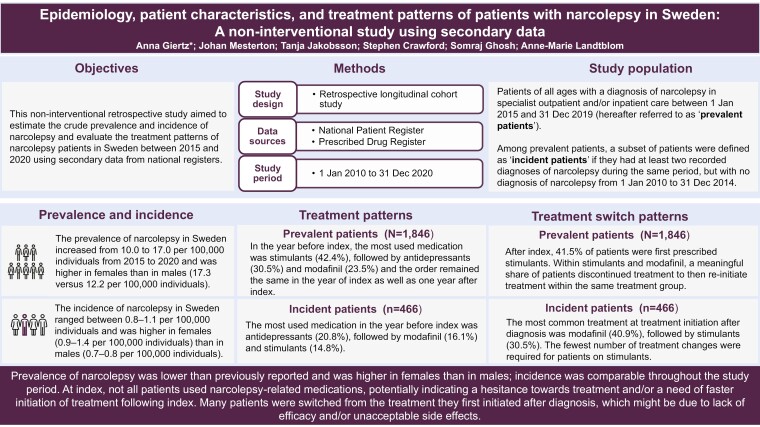
Study objectives: To estimate the prevalence and incidence and evaluate the treatment patterns of patients diagnosed with narcolepsy in specialist care in Sweden.
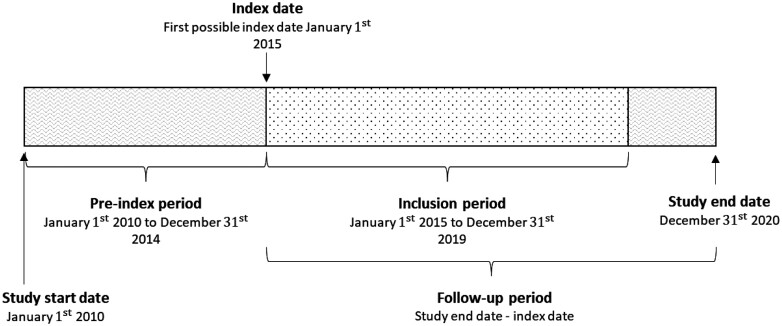
Methods: This non-interventional retrospective longitudinal study used Swedish register data from 2010 to 2020 and included patients diagnosed with narcolepsy (either type 1 or type 2), recorded in specialist outpatient and inpatient care from January 2015 to December 2019. All patients received an index date corresponding to the date of the first narcolepsy diagnosis.
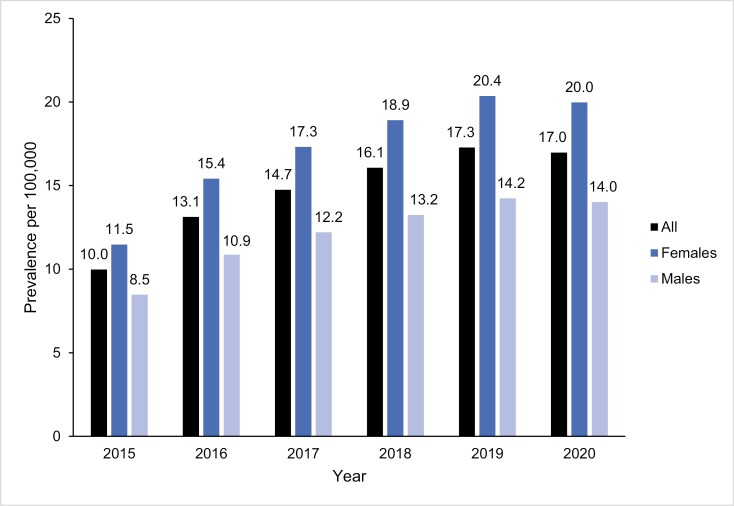
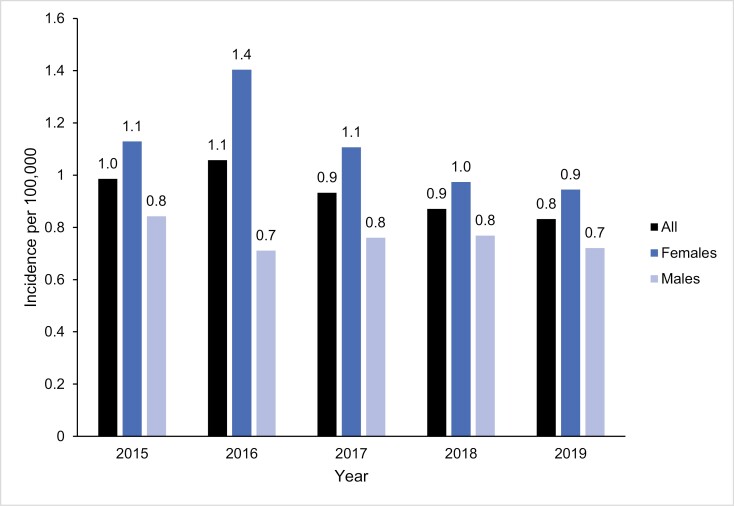
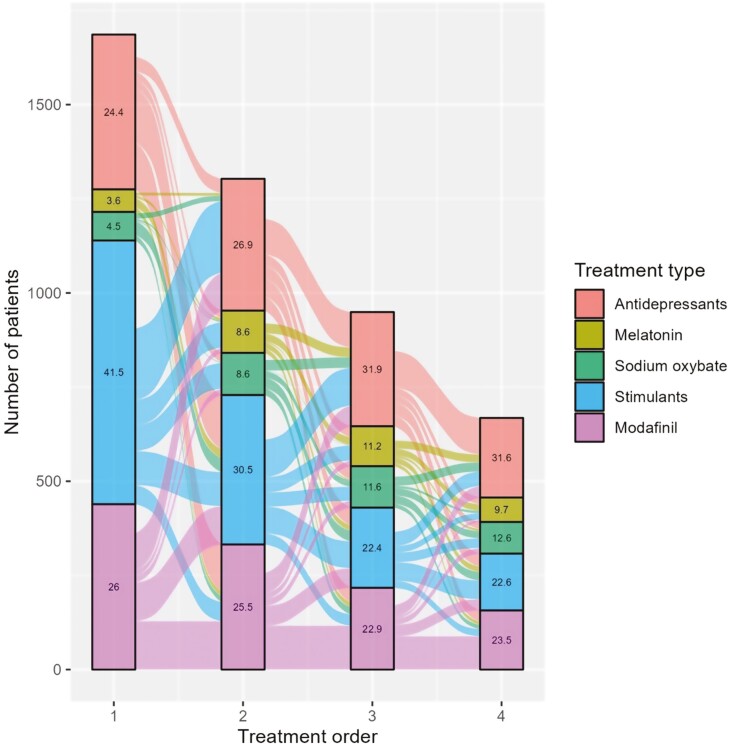
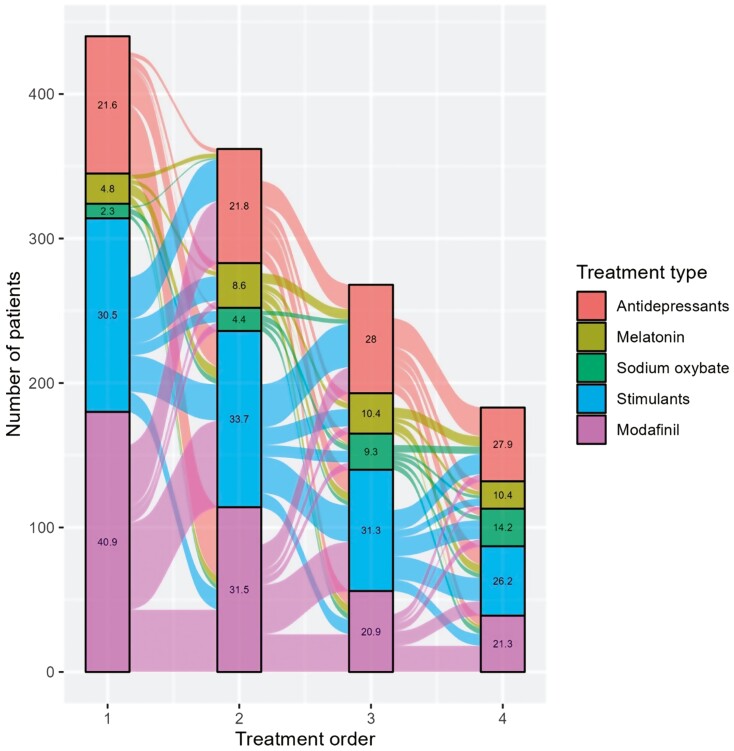
Results: The prevalence and incidence of narcolepsy were 14.7/100 000 and 0.9/100 000 individuals, respectively, with a greater proportion of females than males. The study included 1846 prevalent narcolepsy patients of either type, of which 466 were incident. The majority of prevalent patients (87.9%) were prescribed narcolepsy-related treatment at index with stimulants being the most common treatment. Both in the years before and after index, the most used medication by prevalent patients was stimulants (42.4% and 54.8%, respectively). Among incident patients, stimulants were the most common drug in the year after index (57.0%). Treatment switching following index was frequent and a large share of incident patients who started on modafinil were switched to stimulants.
Conclusions: The prevalence of narcolepsy was lower than previously reported and was higher in females than in males; incidence was comparable throughout the study period. At index, not all patients used narcolepsy-related medications, potentially indicating a hesitance towards treatment and/or a need for faster initiation of treatment following index. Many patients were switched from the treatment they first initiated after diagnosis, which might be due to a lack of efficacy and/or unacceptable side effects.
Keywords: Sweden; incidence; narcolepsy; prevalence; treatment patterns.
© The Author(s) 2024. Published by Oxford University Press on behalf of Sleep Research Society.
Figures
References
-
- Bhattarai J, Sumerall S. Current and future treatment options for narcolepsy: a review. Sleep Sci. 2017;10(1):19–27. doi: https://doi.org/ 10.5935/1984-0063.20170004 - DOI - PMC - PubMed
-
- Chavda V, Chaurasia B, Umana GE, Tomasi SO, Lu B, Montemurro N. Narcolepsy-a neuropathological obscure sleep disorder: a narrative review of current literature. Brain Sci. 2022;12(11):1473. doi: https://doi.org/ 10.3390/brainsci12111473 - DOI - PMC - PubMed
-
- AASM. The AASM International Classification of Sleep Disorders – Third Edition, Text Revision (ICSD-3-TR). https://aasm.org/clinical-resources/international-classification-sleep-d.... 2023. Accessed June 20, 2023.
-
- Szabo ST, Thorpy MJ, Mayer G, Peever JH, Kilduff TS. Neurobiological and immunogenetic aspects of narcolepsy: implications for pharmacotherapy. Sleep Med Rev. 2019;43:23–36. doi: https://doi.org/ 10.1016/j.smrv.2018.09.006 - DOI - PMC - PubMed
-
- Scheer D, Schwartz SW, Parr M, Zgibor J, Sanchez-Anguiano A, Rajaram L. Prevalence and incidence of narcolepsy in a US health care claims database, 2008-2010. Sleep. 2019;42(7). doi: https://doi.org/ 10.1093/sleep/zsz091 - DOI - PubMed
LinkOut - more resources
Full Text Sources
