


Deciphering ferroptosis in critical care: mechanisms, consequences, and therapeutic opportunities
- PMID: 39737174
- PMCID: PMC11682965
- DOI: 10.3389/fimmu.2024.1511015
Deciphering ferroptosis in critical care: mechanisms, consequences, and therapeutic opportunities
Abstract
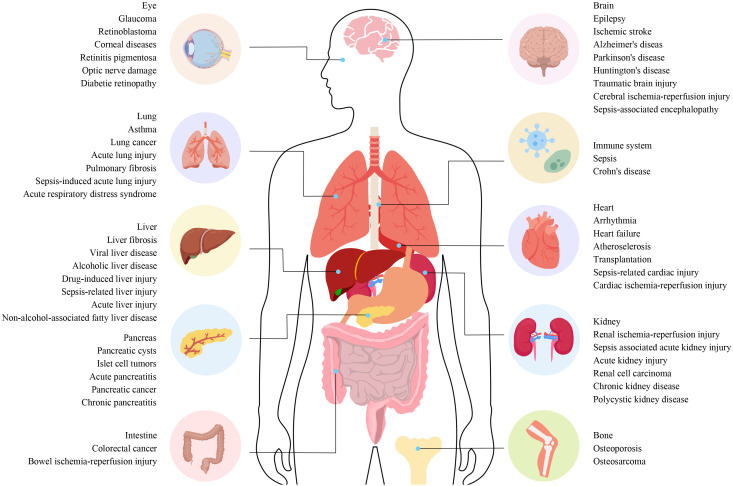
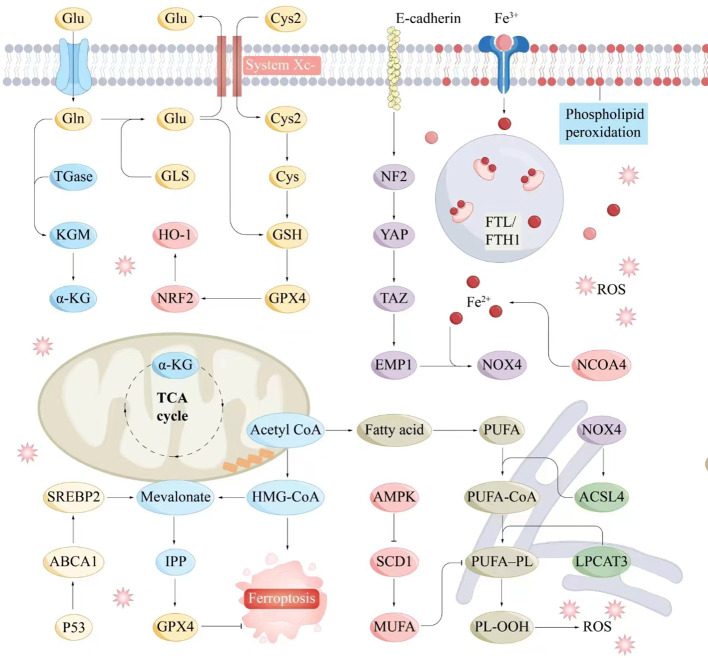
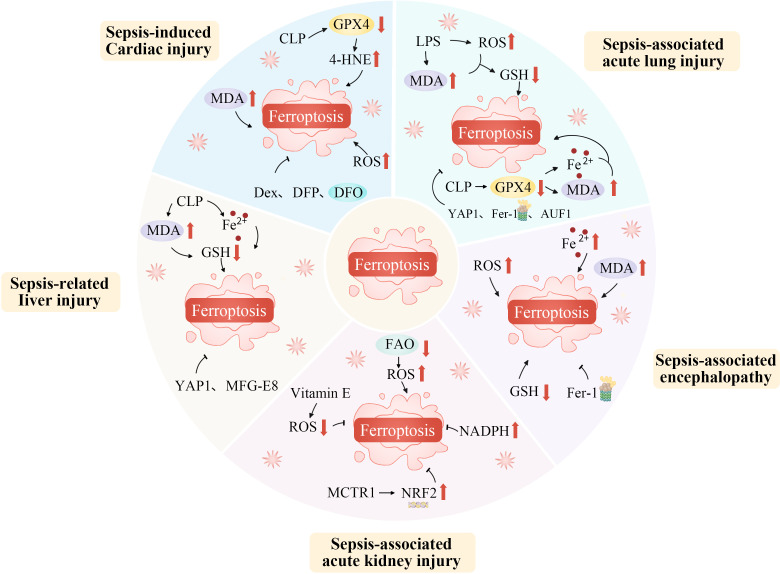
Ischemia-reperfusion injuries (IRI) across various organs and tissues, along with sepsis, significantly contribute to the progression of critical illnesses. These conditions disrupt the balance of inflammatory mediators and signaling pathways, resulting in impaired physiological functions in human tissues and organs. Ferroptosis, a distinct form of programmed cell death, plays a pivotal role in regulating tissue damage and modulating inflammatory responses, thereby influencing the onset and progression of severe illnesses. Recent studies highlight that pharmacological agents targeting ferroptosis-related proteins can effectively mitigate oxidative stress caused by IRI in multiple organs, alleviating associated symptoms. This manuscript delves into the mechanisms and signaling pathways underlying ferroptosis, its role in critical illnesses, and its therapeutic potential in mitigating disease progression. We aim to offer a novel perspective for advancing clinical treatments for critical illnesses.
Keywords: critical illness; ferroptosis; iron overload; lipid metabolism; mitochondrial dysfunction.
Copyright © 2024 Tan, Ge, Yan, Guo, Han, Zhu and Du.
Conflict of interest statement
The authors declare that the research was conducted in the absence of any commercial or financial relationships that could be construed as a potential conflict of interest.
Figures

References
Publication types
MeSH terms
LinkOut - more resources
Full Text Sources
Medical
