


An fMRI study on the generalization of motor learning after brain actuated supernumerary robot training
- PMID: 39738213
- PMCID: PMC11685389
- DOI: 10.1038/s41539-024-00294-y
An fMRI study on the generalization of motor learning after brain actuated supernumerary robot training
Abstract
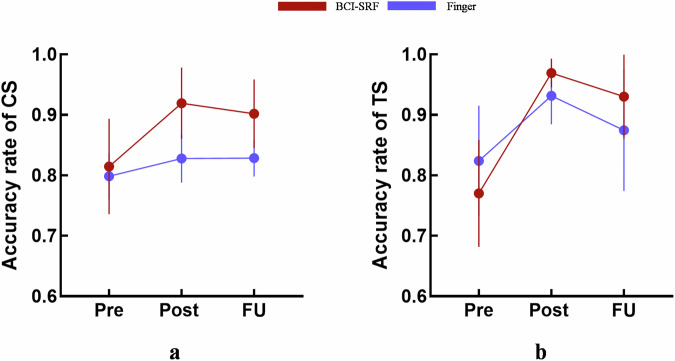
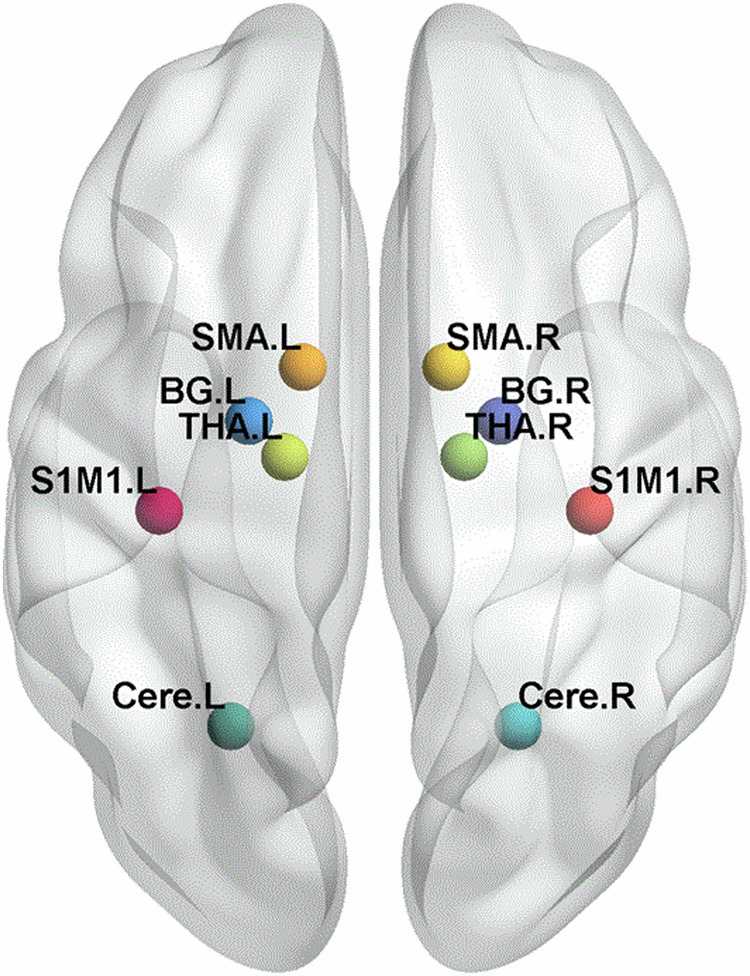
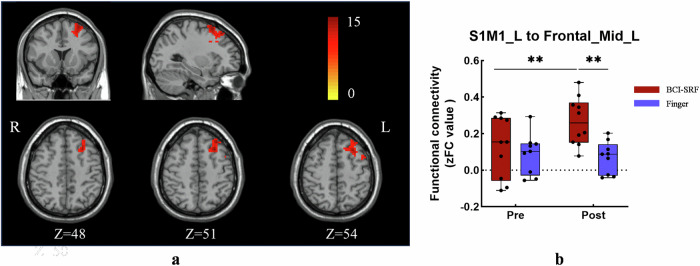
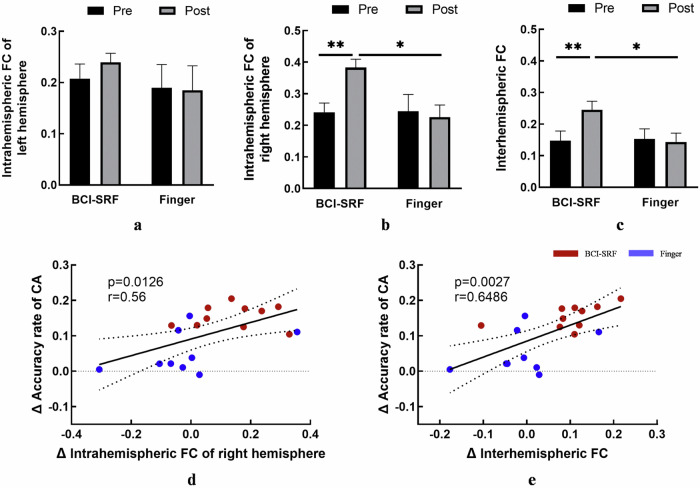
Generalization is central to motor learning. However, few studies are on the learning generalization of BCI-actuated supernumerary robotic finger (BCI-SRF) for human-machine interaction training, and no studies have explored its longitudinal neuroplasticity mechanisms. Here, 20 healthy right-handed participants were recruited and randomly assigned to BCI-SRF group or inborn finger group (Finger) for 4-week training and measured by novel SRF-finger opposition sequences and multimodal MRI. After training, the BCI-SRF group showed 350% times compared to the Finger group in the improvement of sequence opposition accuracy before and after training, and accompanied by significant functional connectivity increases in the sensorimotor region and prefrontal cortex, as well as in the intra- and inter-hemisphere of the sensorimotor network. Moreover, Granger Causality Analysis identified causal effect main transfer within the sensorimotor cortex-cerebellar-thalamus loop and frontal-parietal loop. The findings suggest that BCI-SRF training enhances motor sequence learning ability by influencing the functional reorganization of sensorimotor network.
© 2024. The Author(s).
Conflict of interest statement
Competing interests: The authors declare no competing interests.
Figures


References
Grants and funding
- 62273251/National Natural Science Foundation of China (National Science Foundation of China)
- 81925020/National Natural Science Foundation of China (National Science Foundation of China)
- 21JCYBJC00520/Natural Science Foundation of Tianjin City (Natural Science Foundation of Tianjin)
- MSV202418/State Key Laboratory of Mechanical System and Vibration
LinkOut - more resources
Full Text Sources
Miscellaneous
