


Rectal mucosal inflammation, microbiome, and wound healing in men who have sex with men who engage in receptive anal intercourse
- PMID: 39738273
- PMCID: PMC11685717
- DOI: 10.1038/s41598-024-80074-1
Rectal mucosal inflammation, microbiome, and wound healing in men who have sex with men who engage in receptive anal intercourse
Abstract
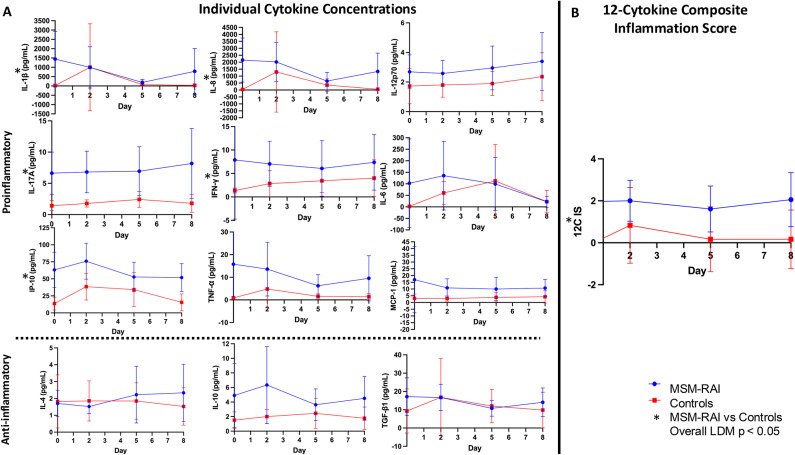
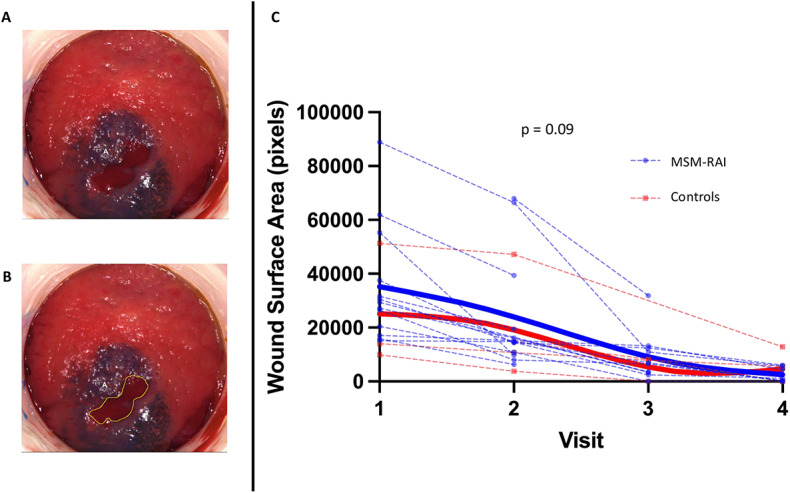
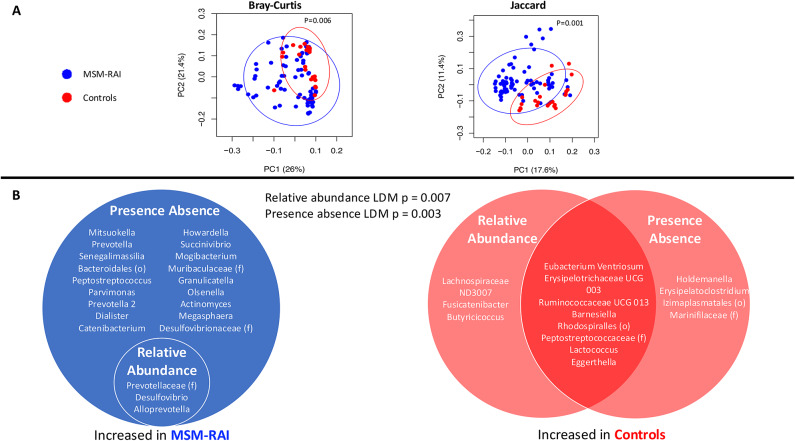
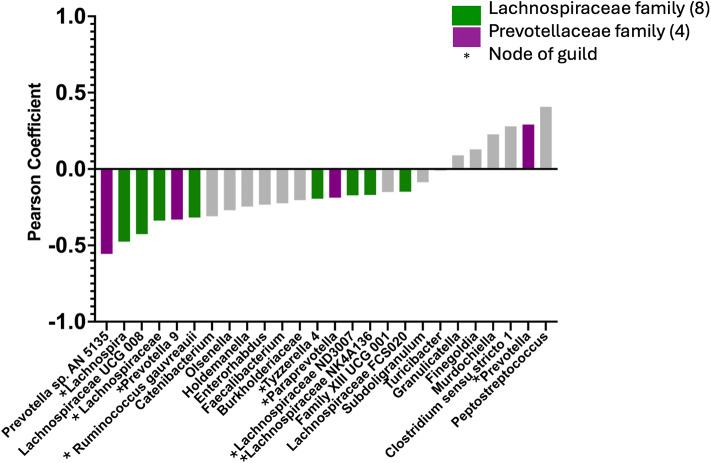
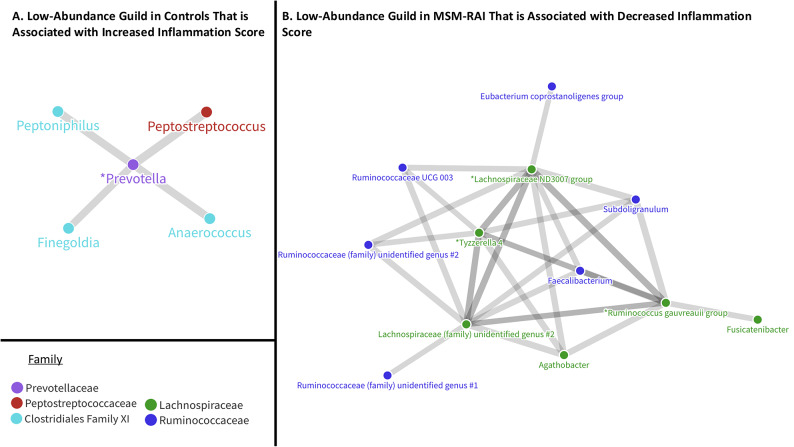
Mucosal injury is common during consensual intercourse and induces an inflammatory response that could contribute to pathogen transmission including HIV. Here, we compared mucosal immune and microbiome responses to experimentally induced mucosal injury between men who have sex with men engaging in receptive anal intercourse (MSM-RAI) and men who do not engage in RAI (controls), all without HIV. Rectal mucosal secretions were collected from adult MSM-RAI (n = 19) and controls (n = 6) via anoscopy before and up to eight days after experimentally induced injury. Mucosal healing was evaluated by repeated injury surface area measurements with digital imaging. MSM-RAI demonstrated overall significantly higher concentrations of pro-inflammatory cytokines and a distinct rectal microbiome compared with controls. Wound healing was numerically faster in MSM-RAI but did not meet statistical significance (p = 0.09). Different cytokine injury response patterns were observed between MSM-RAI and controls; however, IL-6 and IP-10 were important mediators in both groups. Microbial guilds, particularly from the Lachnospiraceae and Prevotellaceae families, were associated with rectal mucosal inflammation. This work is the first experimental study of rectal mucosal injury and the immune environment in healthy humans and provides a more nuanced understanding of rectal mucosal inflammation after injury, which can inform our understanding of HIV transmission.
Keywords: Bacterial guilds; Microbiome; Mucosal healing; Mucosal immunology; Receptive anal intercourse.
© 2024. The Author(s).
Conflict of interest statement
Declarations. Competing interests: CFK has received research grants from Gilead Sciences, ViiV, Moderna, Novavax, and Humanigen.
Figures
References
-
- (CDC) CfDC. HIV Surveillance Supplemental Report: Estimated HIV Incidence and Prevalence in the United States, 2018–2022. (2024).
Publication types
MeSH terms
Substances
Grants and funding
LinkOut - more resources
Full Text Sources
