


Conquering diabetes by overcoming psychological barriers and embracing health
- PMID: 39738997
- PMCID: PMC11686001
- DOI: 10.1038/s41598-024-83837-y
Conquering diabetes by overcoming psychological barriers and embracing health
Abstract
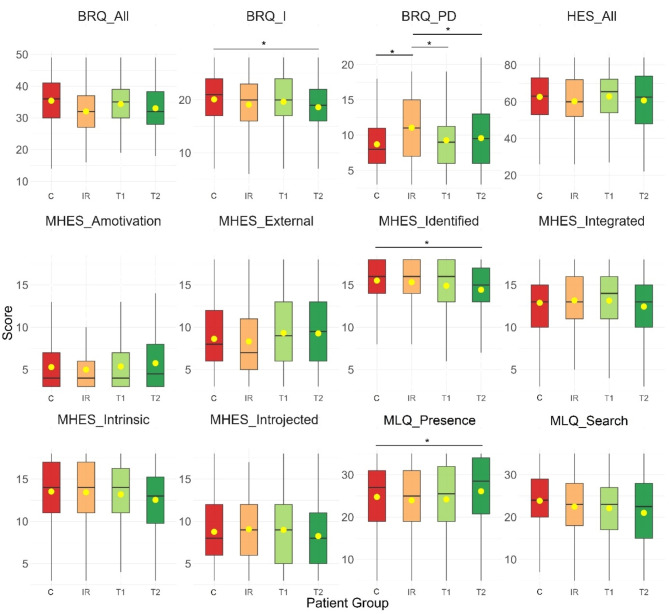
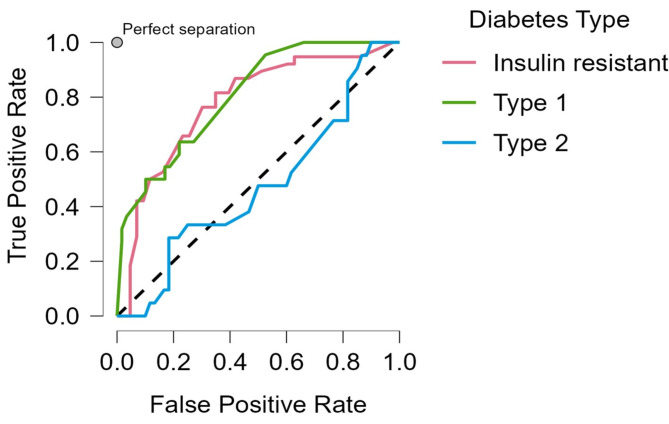
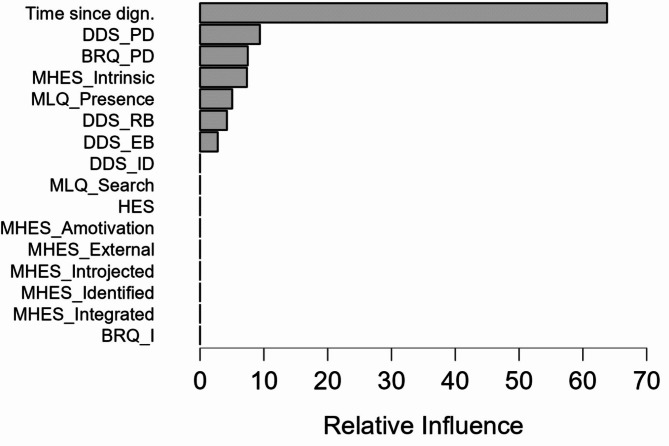
Living with chronic conditions like diabetes mellitus (DM) or insulin resistance (IR) requires significant self-management, adding to daily life stressors. This stress, known as diabetes distress, along with health empowerment from proper diet and lifestyle, and motivation to eat healthily, greatly impacts quality of life and disease outcomes. Different patient subgroups (type 1 diabetic (T1DM), type 2 diabetic (T2DM), and insulin resistant (IR) individuals) face these challenges differently. This research aims to compare people with IR and DM to those without, and to compare IR, T1DM and T2DM subgroups on psychological factors. Data was collected via an online questionnaire from 746 participants (average age 37.5 years). Among them, 405 had IR (N = 177) or DM (Type 1: N = 116; Type 2: N = 112), and 341 were controls. Results showed that T2DM individuals scored lower than controls on Identified Regulation, Interoceptive Awareness, and Search for Meaning in Life, while the IR group had higher body-mind disconnection. T1DM individuals experienced the highest emotional distress due to the disease but the lowest distress from regular check-ups compared to T2DM and IR groups. The gradient boosting classification model indicated that IR and T1DM groups are homogeneous, whereas T2DM is heterogeneous, with significant within-group variation in disease experience and management. Despite similarities in daily life challenges, significant differences exist in disease experience among the groups. Individual characteristics of T2DM individuals further diversify their attitudes towards disease management.
Keywords: Body responsiveness; Diabetes distress; Diabetes mellitus; Health empowerment; Insulin resistance; Meaning in life; Motivation for healthy eating.
© 2024. The Author(s).
Conflict of interest statement
Declarations. Competing interests: The authors declare no competing interests. Declaration of generative AI and AI-assisted technologies in the writing process: During the preparation of this work the authors used DeepL Write in order to improve the quality of the English scientific wording. After using this tool, the authors reviewed and edited the content as needed and take full responsibility for the content of the publication.
Figures

References
-
- International Diabetes Federation. IDF Diabetes Atlas 2021–10th Edition (www.diabetesatlas.org, 2021). - PubMed
-
- Teleki, S. Krónikus Megbetegedések Klinikai Egészségpszichológiai Vonatkozásai (Akadémiai Kiadó, 2023).
-
- Karádi, I. A neuroendokrin rendszer és az anyagcsere vizsgálata. In a belgyógyászat alapjai 1. (ed. Tulassy, Z) 101–115. (Medicina Könyvkiadó, 2010).
-
- Wagner, J. & Tennen, H. Coping with diabetes: psychological determinants of diabetes outcomes. in Coping with Chronic Illness and Disability. Theoretical, Empirical, and Clinical Aspects (eds. Martz, E. & Livneh, H.) 215–240 (Springer US, 2007).
Publication types
MeSH terms
Grants and funding
LinkOut - more resources
Full Text Sources
Medical
