


The influence of UV-visible light, microwave radiation, argon laser, and heating and aging processes on silicone oil utilized as intravitreal implants: Experimental exposure with clinical correlation
- PMID: 39739730
- PMCID: PMC11687662
- DOI: 10.1371/journal.pone.0316212
The influence of UV-visible light, microwave radiation, argon laser, and heating and aging processes on silicone oil utilized as intravitreal implants: Experimental exposure with clinical correlation
Abstract
Purpose: The emulsification of silicone oil (SO) remains poorly understood. In the present study, we investigated the physical properties of unused pharmaceutical SO samples under various conditions. Moreover, clinical correlations with the patients' SO samples were assessed.
Methods: Unused pharmaceutical ophthalmic SO samples and four explanted SO samples from previously vitrectomized patients with rhegmatogenous retinal detachment were analyzed. To assess the stability of SO, the samples were exposed to UV light, visible light, a green argon laser, microwave radiation, heat, and were aged. Following exposure, the samples were investigated using Fourier-transform infrared spectroscopy, optical transmittance and absorbance, and micro-viscometry measurements. Two patients underwent argon laser retinopexy while SO tamponaded the vitreous cavity postoperatively.
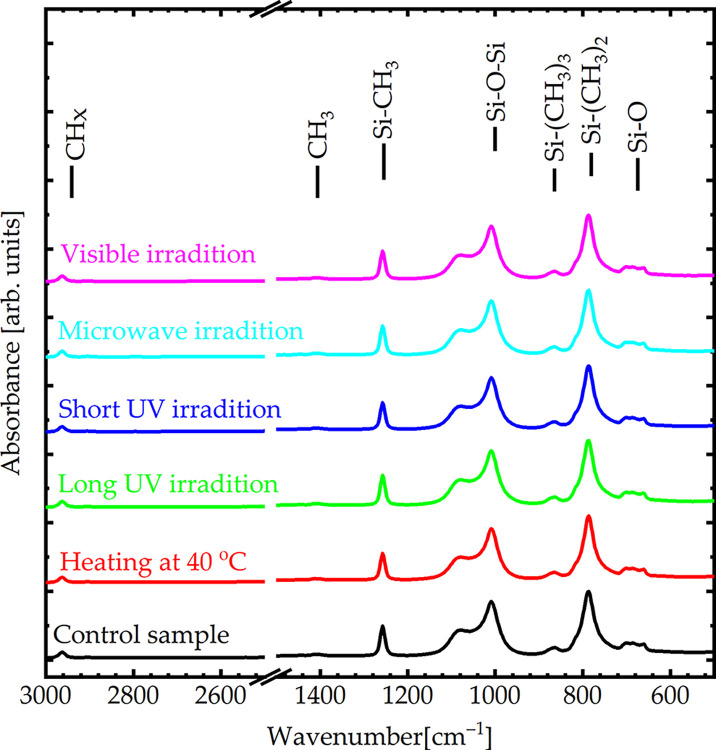
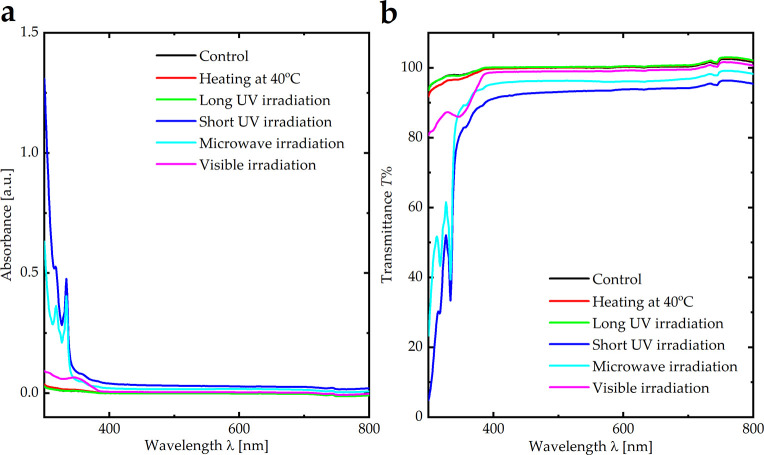
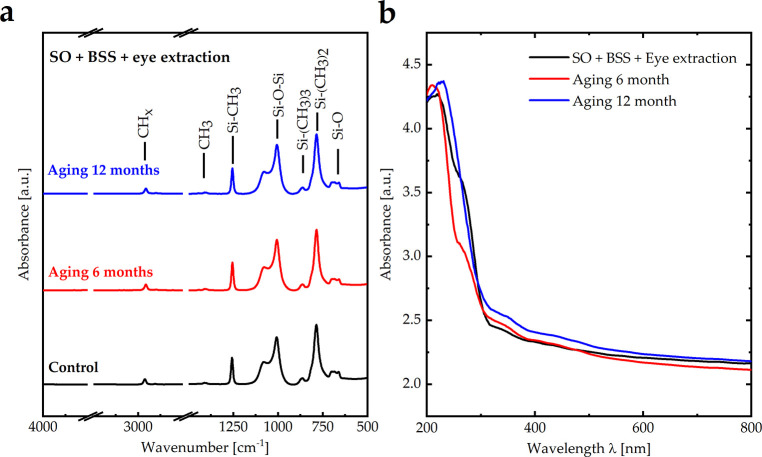
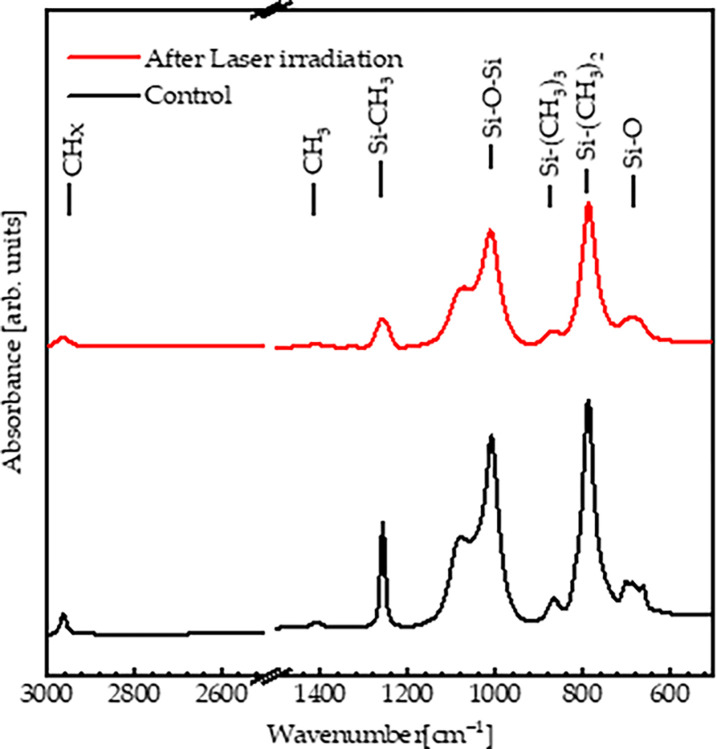
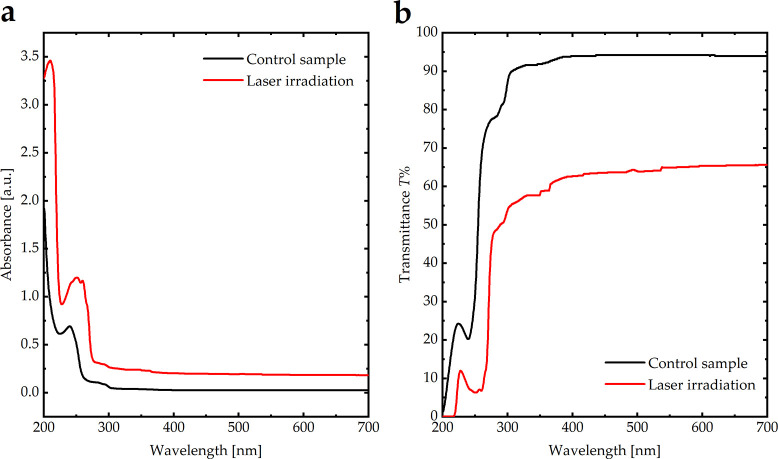
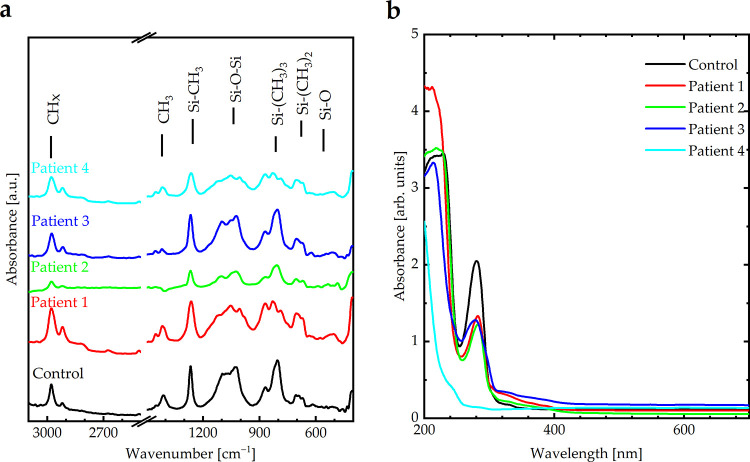
Results: The physical properties of SO exposed to heat, UV light, microwave radiation, and aging did not change. However, SO irradiated by the green argon laser demonstrated a significant breakdown of atomic bonding and a transmittance loss. These results are consistent with the analyses of SO samples provided by patients. In those who underwent laser retinopexy, the SO exhibited clinical emulsification necessitating earlier removal, which was confirmed by physical tests.
Conclusions: It may be postulated that patients exposed to the argon laser experienced more emulsification than the other two groups, leading to the earlier removal of the SO implants from the eyes. This investigation did not consider the biological effects of inflammatory biomarkers; however, it may provide valuable insights for optimizing the use of SO in ophthalmic surgery and other potential applications.
Copyright: © 2024 Al-Dwairi et al. This is an open access article distributed under the terms of the Creative Commons Attribution License, which permits unrestricted use, distribution, and reproduction in any medium, provided the original author and source are credited.
Conflict of interest statement
The authors have declared that no competing interests exist.
Figures
References
-
- Scott JD. The treatment of massive vitreous retraction by the separation of pre-retinal membranes using liquid silicone. Mod Probl Ophthalmol. 1975;15: 185–190. [Epub 1975/01/01]. . - PubMed
-
- Line PC. Liquid silicone rubber; 2018.
-
- Giordano GG, Refojo MF. Silicone oils as vitreous substitutes. Prog Polym Sci. 1998;23: 509–532. doi: 10.1016/S0079-6700(97)00046-4 - DOI
MeSH terms
Substances
LinkOut - more resources
Full Text Sources
