


Percutaneous nephroscopy versus flexible ureteroscopy in the treatment of calyceal diverticulum calculi: a meta-analysis
- PMID: 39748346
- PMCID: PMC11694468
- DOI: 10.1186/s12894-024-01655-w
Percutaneous nephroscopy versus flexible ureteroscopy in the treatment of calyceal diverticulum calculi: a meta-analysis
Abstract
Background: There is still controversy about the best minimally invasive surgical method for the treatment of calyceal diverticulum calculi. We conducted meta-analysis to evaluate the effectiveness and safety of PCNL and FURL in the treatment of calyceal diverticulum calculi.
Methods: We searched Pubmed, Cochrane Library, Web of Science, Embase, Clinical trial platform, CNKI, VIP until April 2024. We utilized the Newcastle-Ottawa Scale (NOS, 0 to 9 stars) to assess the quality of the included literature.
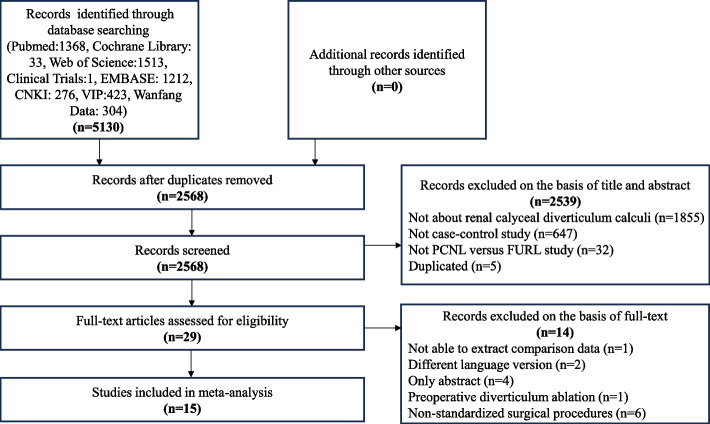
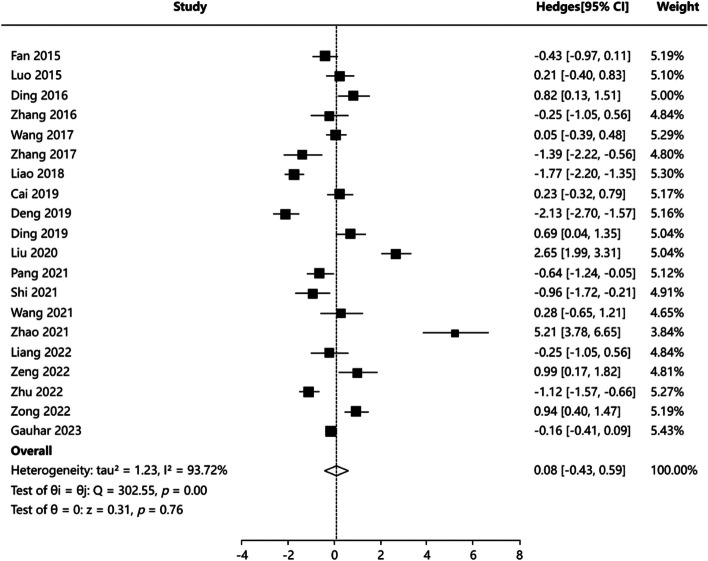
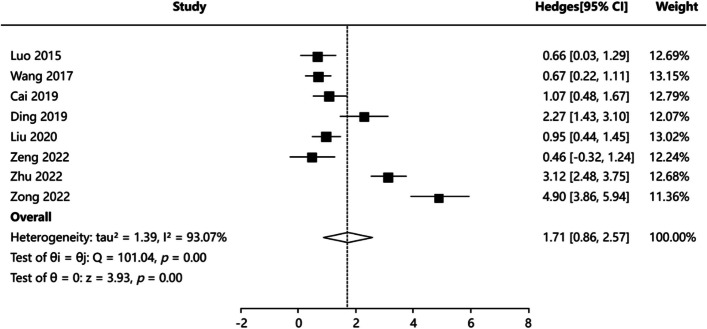
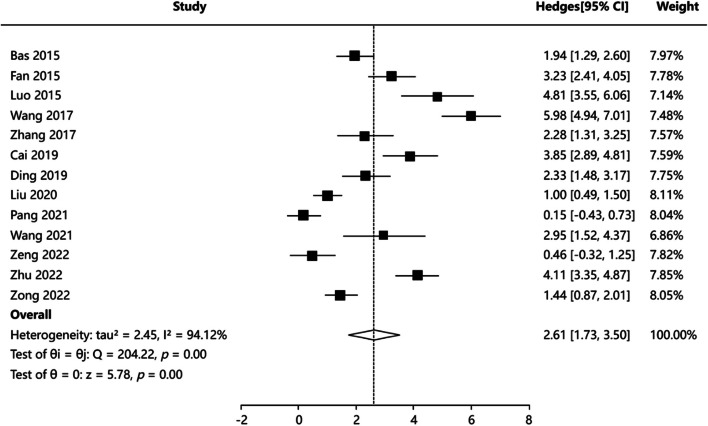
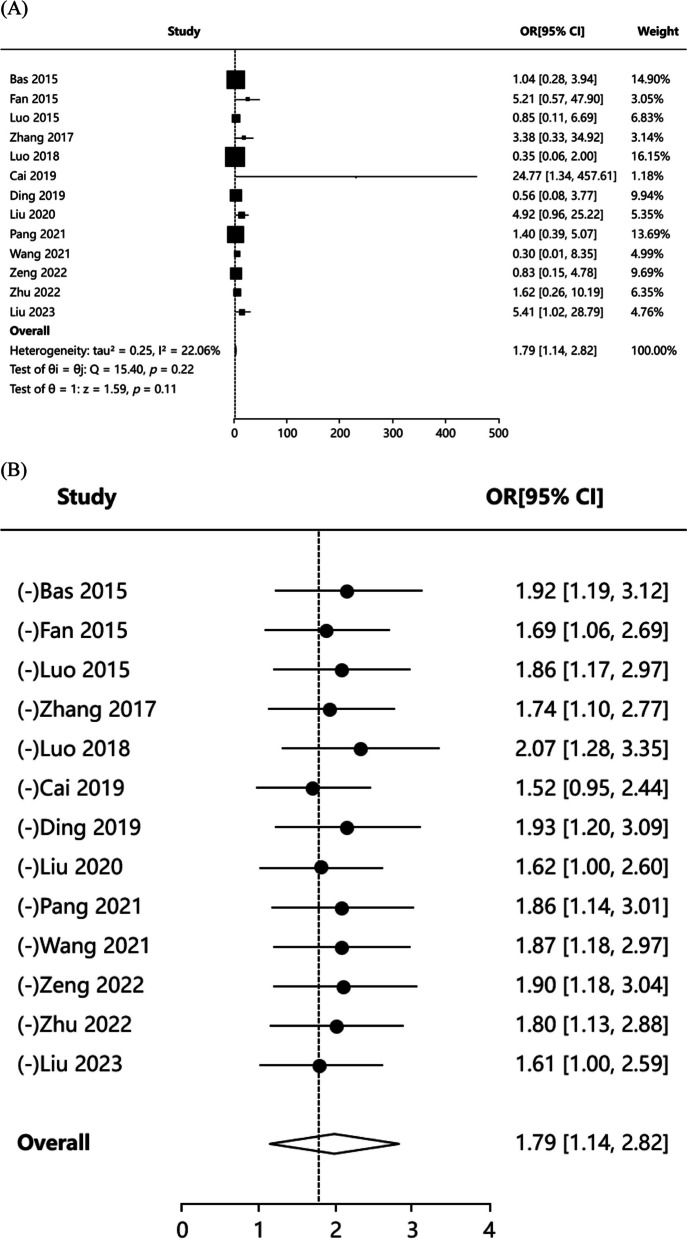
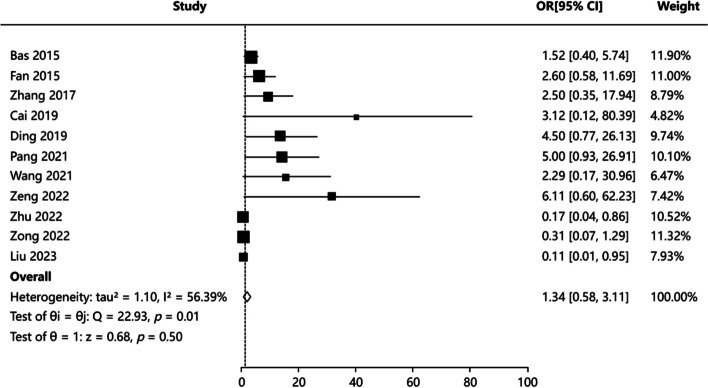
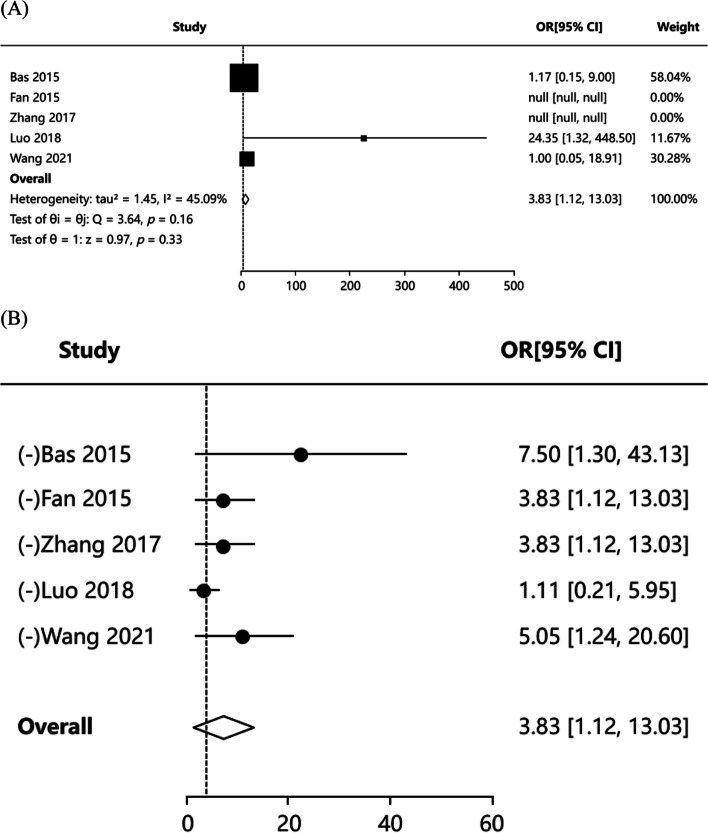
Results: Totally 15 high-quality studies with 755 patients were included in the meta-analysis. Meta-analysis showed that FURL group was better than PCNL group in blood loss [SMD = 1.713, 95%CI:(0.858, 2.568), Z = 3.928, P = 0.000] and hospital stay [SMD = 2.611, 95%CI: (1.726, 3.496), Z = 5.784, P = 0.000], there was no significant difference in operating time [SMD = 0.079, 95%CI:(-0.43, 0.589), Z = 0.306, P = 0.760], complication rate [OR = 1.793,95%CI: (0.952,2.602), Z = 1.586, P = 0.113], stone-free rate [OR = 1.339, 95%CI: (0.576, 3.112), Z = 0.678, P = 0.497] and symptom-free rate [OR = 3.826,95%CI: (0.561,10.238), Z = 0.966, P = 0.334] as well.
Conclusion: Whether FURL is indeed superior to PCNL in safety, whether FURL's efficacy is really close to PCNL, and whether FURL can surpass PCNL as the first choice for the treatment of renal diverticulum stones in the future need to be further verified by multi-center, large-sample and high-quality studies.
Keywords: Calyceal diverticulum calculi; Flexible ureteroscopic lithotripsy; Meta-analysis; Percutaneous nephrolithotomy; Retrograde intrarenal surgery.
© 2024. The Author(s).
Conflict of interest statement
Declarations. Ethics approval and consent to participate: Since this study is a secondary study, all ethical approvals were provided by the initial study. Consent for publication: Not applicable. Competing interests: The authors declare no competing interests.
Figures
References
Publication types
MeSH terms
LinkOut - more resources
Full Text Sources
Miscellaneous
