


Paediatric dental trauma: insights from epidemiological studies and management recommendations
- PMID: 39748355
- PMCID: PMC11697964
- DOI: 10.1186/s12903-024-05222-5
Paediatric dental trauma: insights from epidemiological studies and management recommendations
Abstract
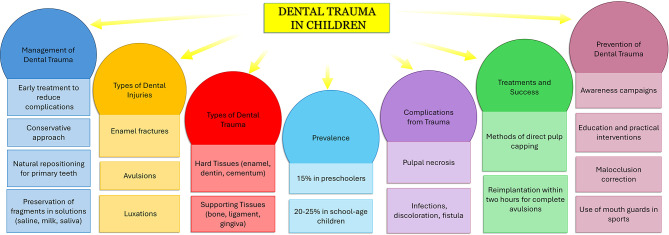
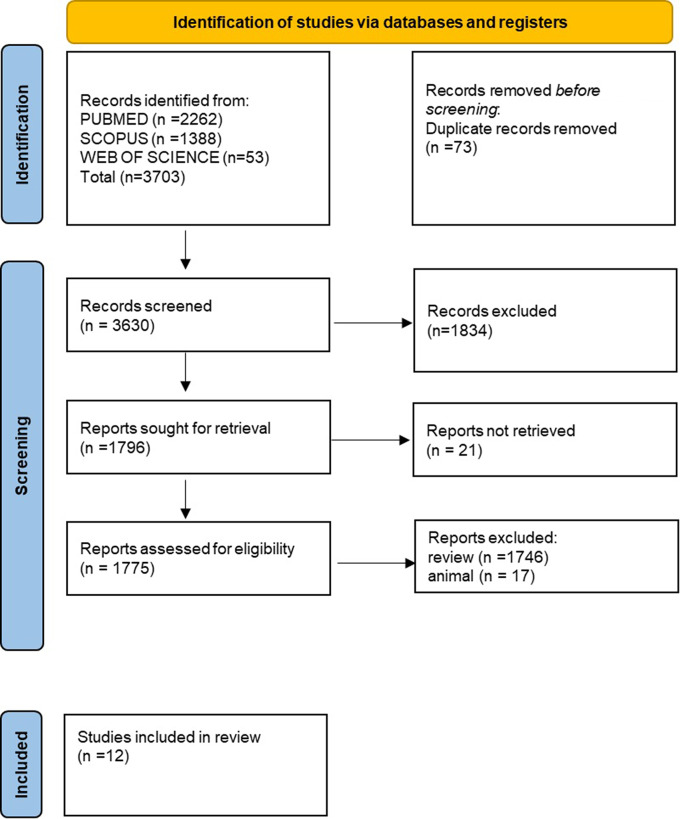
Dental trauma is common in all age groups, although, epidemiologically, it is more common in children with studies that indicate that 15% of preschoolers and 20-25% of school-age children experience it. These injuries, which frequently call for immediate attention, can affect the hard tissues and supporting components of the teeth, and, because dental damage in deciduous teeth occurs frequently and affects speech, nutrition, and oral development, it is particularly worrying. After searching three databases, Scopus, Web of Science (WoS), and PubMed, and removing duplicates, 3,630 articles were screened, and 12 publications were included in the qualitative analysis. Due to their busy lifestyles, children are particularly susceptible to oral trauma and in certain areas and lower socioeconomic groups, the incidence is higher. From little fractures in the enamel to serious dislocations and avulsions, injuries vary and must be treated promptly in order to avoid consequences and to prevent long-term issues. Furthermore, a conservative treatment strategy is recommended to preserve tooth vitality and prevent extractions. Reducing the occurrence of dental injuries requires the implementation of preventive measures including mouthguard use and educational campaigns. In summary, this review emphasizes the importance of early diagnosis, immediate management, and long-term care, by synthesizing existing knowledge on the prevalence, types, management, complications, and prevention of dental trauma in deciduous teeth. Finally, it's important to underscore the need for continued research to refine treatment approaches.
Keywords: Children; Dental fractures; Dental injuries; Dental trauma; Emergency treatment.
© 2024. The Author(s).
Conflict of interest statement
Declarations. Ethics approval and consent to participate: All patients gave written informed consent to participate. Consent for publication: All parents/legal guardians gave Written Informed consent to publish pictures. Competing interests: The authors declare no competing interests. Disclaimer: The statements, opinions and data contained in all publications are solely those of the individual author(s) and contributor(s) and not of MDPI and/or the editor(s). MDPI and/or the editor(s) disclaim responsibility for any injury to people or property resulting from any ideas, methods, instructions or products referred to in the content.
Figures
References
-
- Antipovienė A, Narbutaitė J, Virtanen JI. Traumatic Dental Injuries, Treatment, and Complications in Children and Adolescents: A Register-Based Study. Eur J Dent [Internet]. 2021 Jul [cited 2024 Jul 3];15(3):557–62. https://www.ncbi.nlm.nih.gov/pmc/articles/PMC8382465/ - PMC - PubMed
-
- Pederielli S, Mirelli C, Pozzi F, Giannì AB, Biagi R. Dental Trauma at a University Dental Clinic in Milan including the SARS-CoV-2 Period. Dent J [Internet]. 2021 Dec 2 [cited 2024 Jul 22];9(12):145. https://www.ncbi.nlm.nih.gov/pmc/articles/PMC8700225/ - PMC - PubMed
-
- Santos Filho PC, de Quagliatto F, Simamoto PS, Soares PC. Dental trauma: restorative procedures using composite resin and mouthguards for prevention. J Contemp Dent Pract. 2007;8(6):89–95. - PubMed
-
- Olaru M, Sachelarie L, Calin G. Hard Dental Tissues Regeneration—Approaches and Challenges. Materials [Internet]. 2021 May 14 [cited 2024 Jul 3];14(10):2558. https://www.ncbi.nlm.nih.gov/pmc/articles/PMC8156070/ - PMC - PubMed
Publication types
MeSH terms
LinkOut - more resources
Full Text Sources
Miscellaneous
