


Antiviral and antibacterial peptides: Mechanisms of action
- PMID: 39748995
- PMCID: PMC11693924
- DOI: 10.1016/j.heliyon.2024.e40121
Antiviral and antibacterial peptides: Mechanisms of action
Abstract
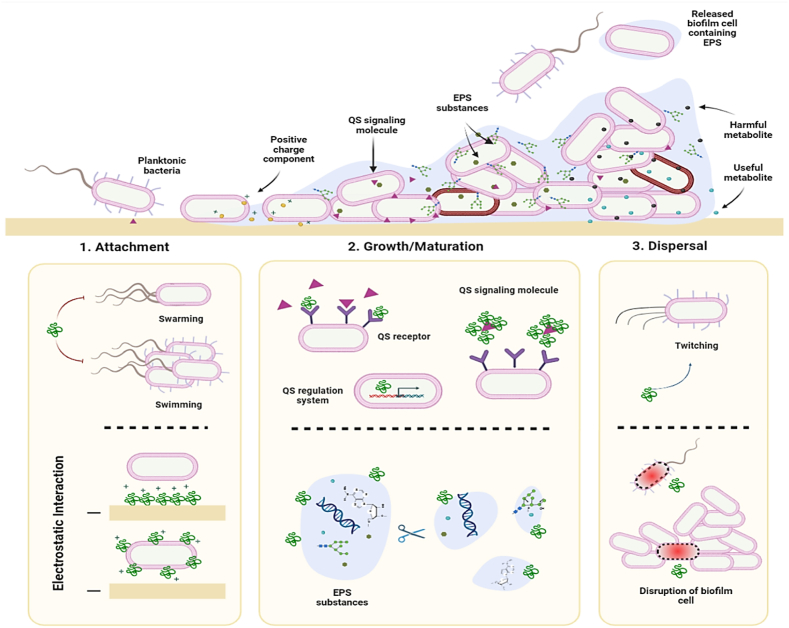
Antimicrobial peptides (AMPs) present promising alternatives for addressing bacterial and viral multidrug resistance due to their distinctive properties. Understanding the mechanisms of these compounds is essential for achieving this objective. Therefore, this comprehensive review aims to highlight primary natural sources of AMPs and elucidate various aspects of the modes of action of antiviral and antibacterial peptides (ABPs). It emphasizes that antiviral peptides (AVPs) can disrupt the replication cycle of both enveloped and non-enveloped viruses at several stages, including pre-fusion, fusion, and post-entry into the host cell. Additionally, the review discusses the inhibitory effects of ABPs on bacterial growth, outlining their extracellular actions as well as their intracellular activities following membrane translocation. Factors such as structure, size, electric charge, environmental factors, degrading enzymes, and microbial resistance against AMPs can affect the function of AMPs.
Keywords: Antibacterial peptide; Antimicrobial peptide; Antiviral peptide; Drug resistance; Mechanism of action.
© 2024 The Authors. Published by Elsevier Ltd.
Conflict of interest statement
The authors declare that they have no known competing financial interests or personal relationships that could have appeared to influence the work reported in this paper.
Figures


References
-
- Vivas R., Barbosa A.A.T., Dolabela S.S., Jain S. Multidrug-resistant bacteria and alternative methods to control them: an overview. Microb. Drug Resist. 2019;25(6):890–908. - PubMed
-
- Annunziato G., Costantino G. Antimicrobial peptides (AMPs): a patent review (2015–2020) Expert Opin. Ther. Pat. 2020;30(12):931–947. - PubMed
Publication types
LinkOut - more resources
Full Text Sources
