Biopreservation strategies using bacteriocins to control meat spoilage and foodborne outbreaks
- PMID: 39749182
- PMCID: PMC11694622
- DOI: 10.4081/ijfs.2024.12558
Biopreservation strategies using bacteriocins to control meat spoilage and foodborne outbreaks
Abstract
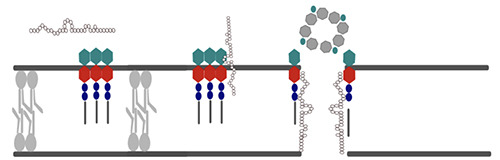
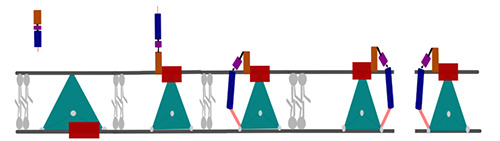
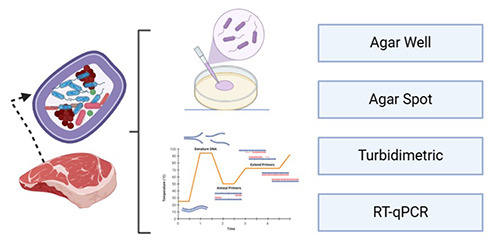
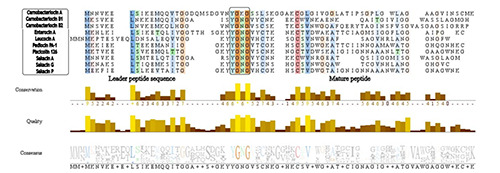
Fresh meat is highly perishable, presenting challenges in spoilage mitigation and waste reduction globally. Despite the efforts, foodborne outbreaks from meat consumption persist. Biopreservation offers a natural solution to extend shelf life by managing microbial communities. However, challenges include the effective diffusion of bacteriocins through the meat matrix and the potential inhibition of starter cultures by bacteriocins targeting closely related lactic acid bacteria (LAB). LAB, predominant in meat, produce bacteriocins - small, stable peptides with broad antimicrobial properties effective across varying pH and temperature conditions. This review highlights the recent advances in the optimization of bacteriocin use, considering its structure and mode of action. Moreover, the strengths and weaknesses of different techniques for bacteriocin screening, including novel bioengineering methods, are described. Finally, we discuss the advantages and limitations of the modes of application of bacteriocins toward the preservation of fresh, cured, and novel meat products.
Keywords: antimicrobial peptides; biopreservation; lactic acid bacteria; meat.
Copyright © 2024, the Author(s).
Conflict of interest statement
Conflict of interest: the authors declare no conflict of interest.
Figures


References
-
- Achemchem F, Martínez-Bueno M, Abrini J, Valdivia E, Maqueda M, 2005. Enterococcus faecium F58, a bacteriocinogenic strain naturally occurring in Jben, a soft, farmhouse goat’s cheese made in Morocco. J Appl Microbiol 99:141-50. - PubMed
-
- Aljohani AB, Al-Hejin AM, Shori AB, 2023. Bacteriocins as promising antimicrobial peptides, definition, classification, and their potential applications in cheeses. Food Sci Technol 43:e118021.
-
- Ayrapetyan M, Oliver JD, 2016. The viable but non-culturable state and its relevance in food safety. Curr Opin Food Sci 8:127-33.
Publication types
LinkOut - more resources
Full Text Sources
Miscellaneous