


A new way of the Coombs test using flow cytometry-based assay to assess erythrocytes-bound IgG antibodies in the human and rabbit model
- PMID: 39760206
- PMCID: PMC11701900
- DOI: 10.1177/03946320241305270
A new way of the Coombs test using flow cytometry-based assay to assess erythrocytes-bound IgG antibodies in the human and rabbit model
Abstract
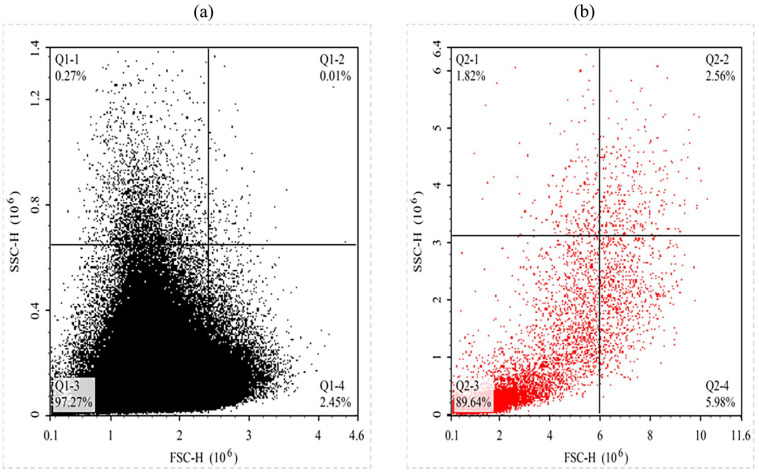
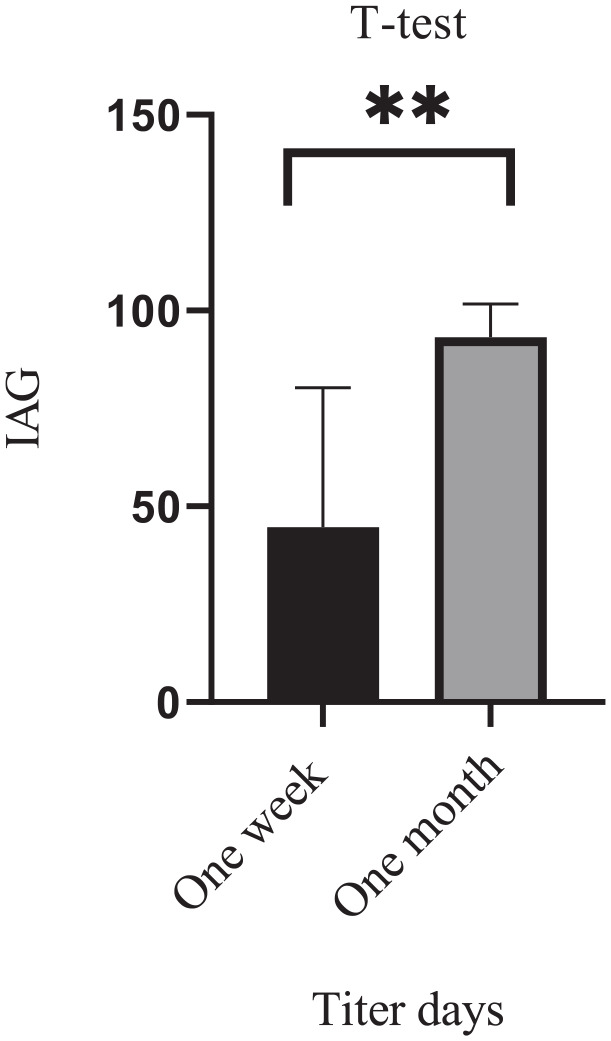
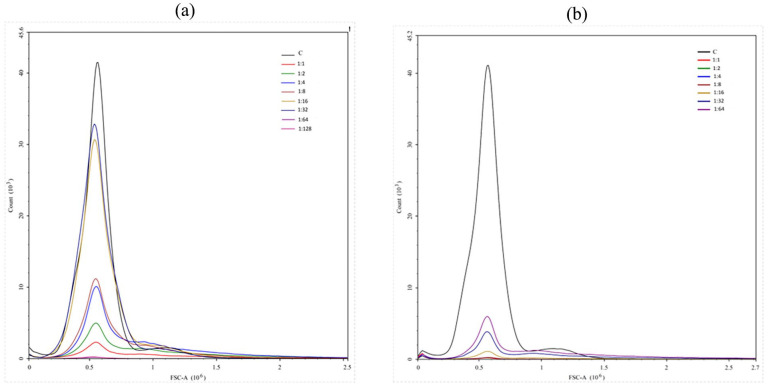
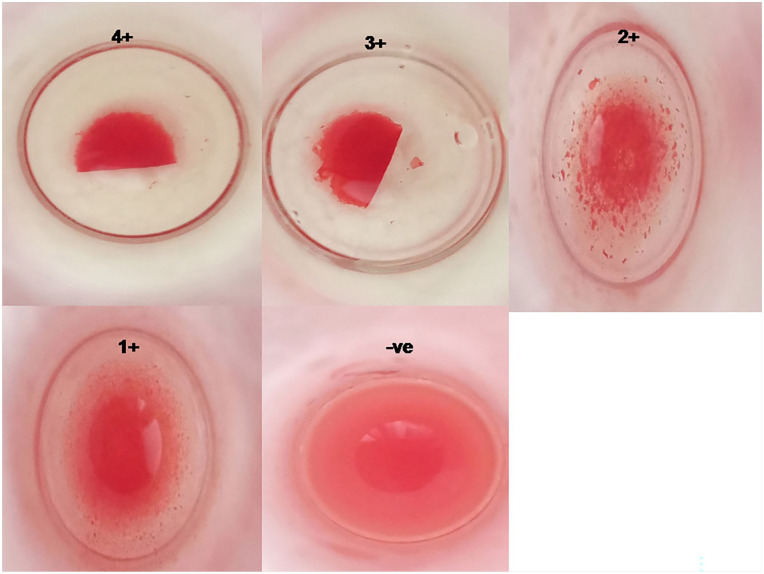
The Coombs test is important in hematology for detecting erythrocyte-bound IgG antibodies or in serm through agglutination methods, but its sensitivity and specificity are limited. Flow cytometry provides a more precise and sensitive alternative for quantitatively assessing RBC-bound IgG antibodies. This assessment is crucial for evaluating the risk of hemolytic reactions and ensuring safe transfusions. This study aimed to explore a new method for the detection of RBC-bound IgG antibodies in rabbits following the injection of human red blood cells. Rabbits serum treated with 2-mercaptoethanol (2-ME) were serially diluted at ratios of 1:1, 1:2, 1:4, 1:8, 1:16, 1:32, 1:64, 1:128, 1:256, 1:512, 1:1024, and 1:2048. These diluted samples were then reacted with O-type red blood cells (RBCs). Serum samples from healthy individuals were used as the control group. The tubes were kept in a water bath at 37°C for 30 min incubation. After incubation, the samples were analyzed using a flow cytometry-based assay. Additionally, the traditional Coombs tube method was used and the strength of IgG antibody and agglutination was graded. The results were analyzed using a flow cytometry-based assay, and the agglutination strength was determined using the Coombs traditional tube method for RBC-bound IgG antibodies. A significant difference was found between the rabbits serum and normal control groups (p < 0.001). IgG titers increased significantly after 1 month of immunization in rabbits compared to the titers observed after 1 week. The serum Anti-D stability test showed a coefficient of variation (CV) of 7.74%, indicating good stability of the test results. In this study, we concluded that the flow cytometry-based assay for detecting RBC-bound IgG antibodies was accurate, sensitive, and had positional value in clinical laboratories and research centers.
Keywords: agglutination; antihuman globulin; flow cytometry; immunization; serum.
Conflict of interest statement
Declaration of conflicting interestsThe author(s) declared no potential conflicts of interest with respect to the research, authorship, and/or publication of this article.
Figures
References
-
- Pamphilon DH, Scott ML. (2007) Robin Coombs: His life and contribution to haematology and transfusion medicine. British Journal of Haematology 137(5): 401–408. - PubMed
-
- Segel GB, Lichtman MA. (2014) Direct antiglobulin (“Coombs”) test-negative autoimmune hemolytic anemia: A review. Blood Cells, Molecules, and Diseases 52(4): 152–160. - PubMed
-
- Theis SR, Hashmi MF. (2019). Coombs Test. Europe PMC. - PubMed
-
- Matthews J, Newton S. (2010) The Coombs test. Clinical Journal of Oncology Nursing 14(2): 143–145. - PubMed
-
- Wardrop KJ. (2005) The Coombs’ test in veterinary medicine: Past, present, future. Veterinary Clinical Pathology 34(4): 325–334. - PubMed
MeSH terms
Substances
LinkOut - more resources
Full Text Sources
