


Sampling Mars: Geologic context and preliminary characterization of samples collected by the NASA Mars 2020 Perseverance Rover Mission
- PMID: 39761398
- PMCID: PMC11745317
- DOI: 10.1073/pnas.2404255121
Sampling Mars: Geologic context and preliminary characterization of samples collected by the NASA Mars 2020 Perseverance Rover Mission
Abstract
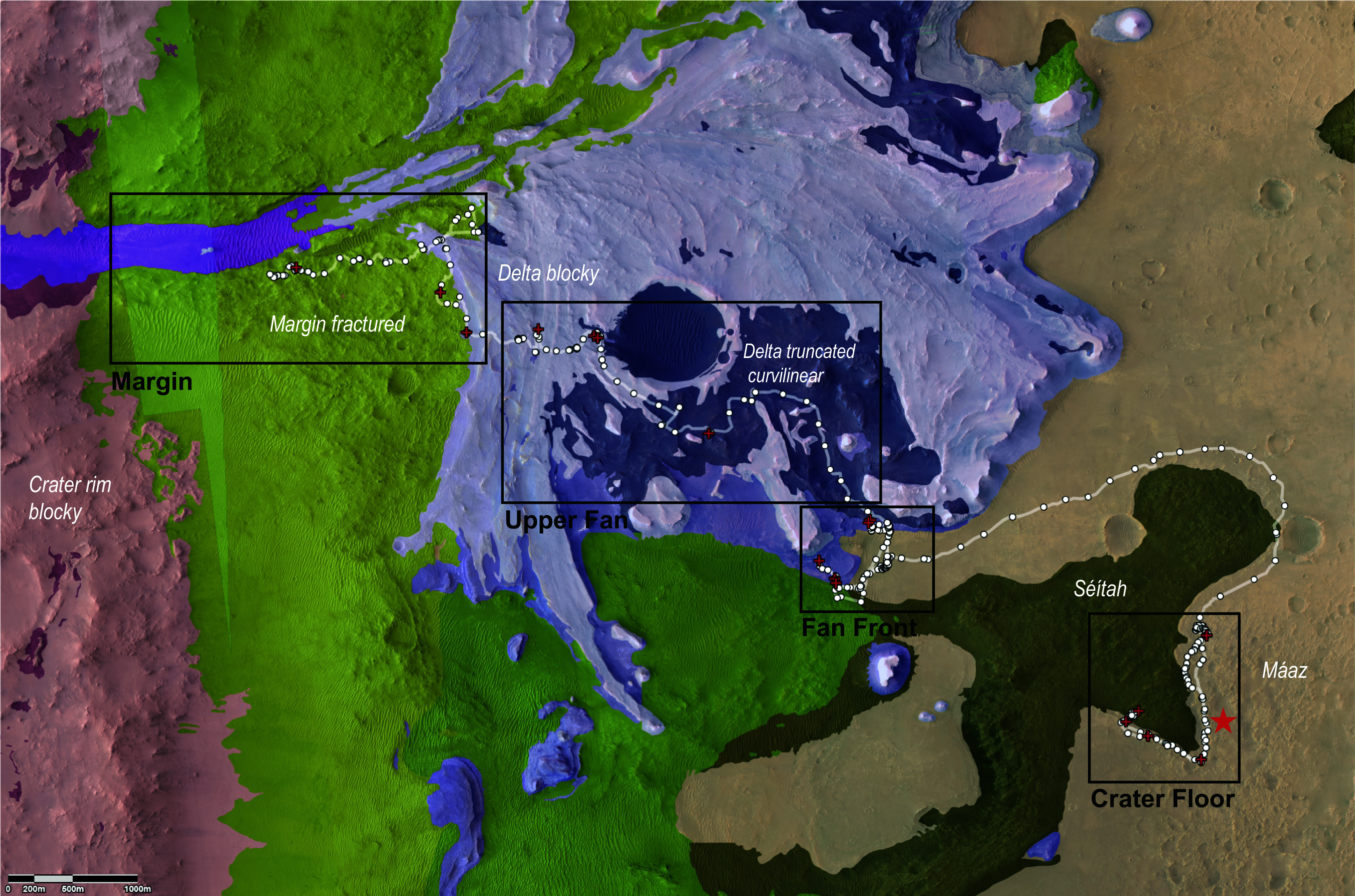
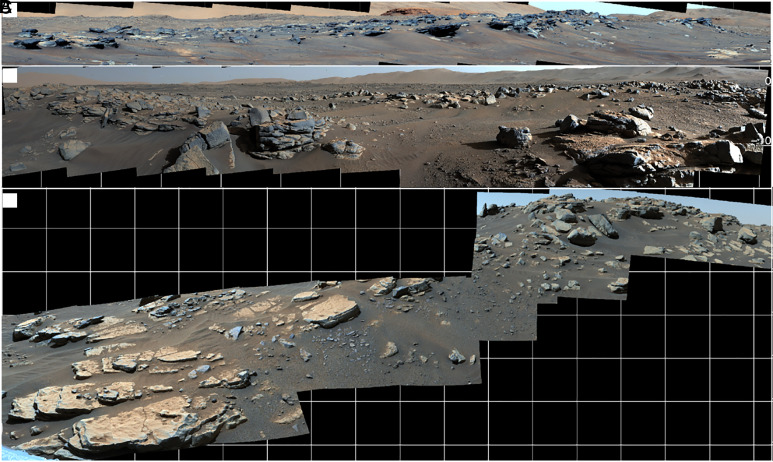
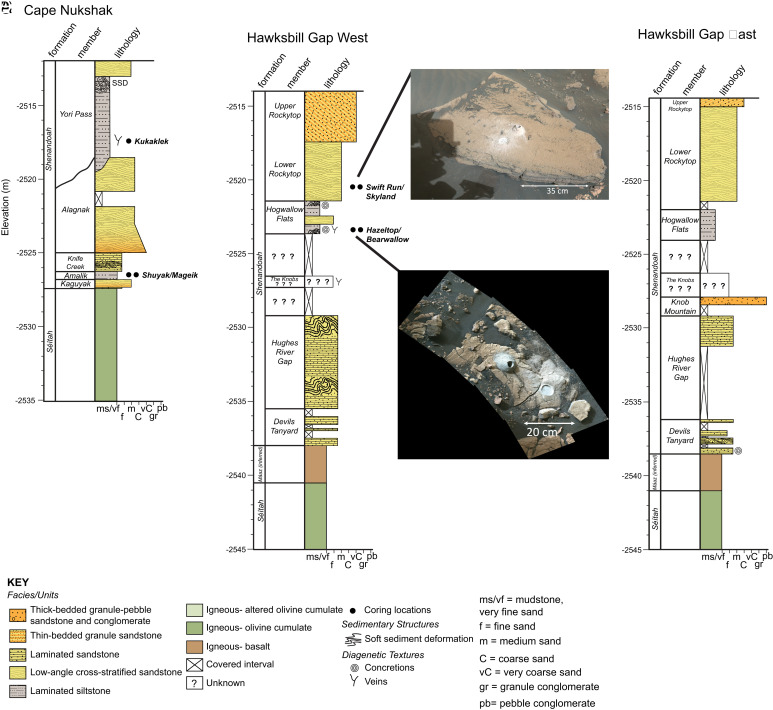
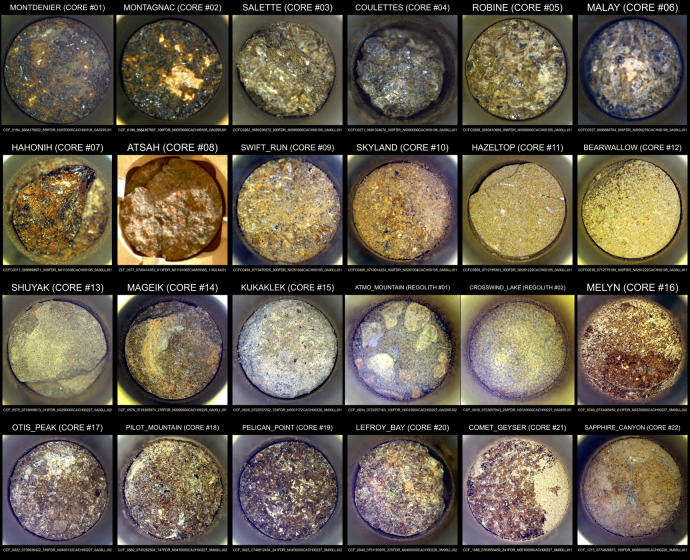
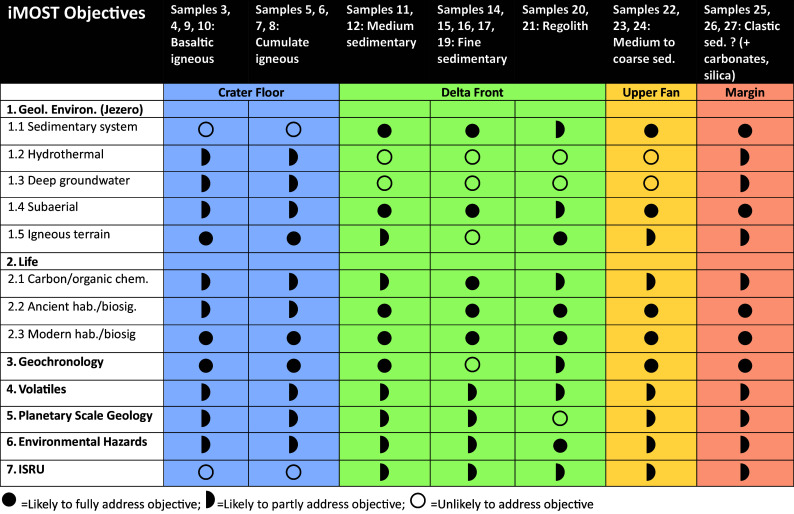
The NASA Mars 2020 Perseverance Rover Mission has collected samples of rock, regolith, and atmosphere within the Noachian-aged Jezero Crater, once the site of a delta-lake system with a high potential for habitability and biosignature preservation. Between sols 109 and 1,088 of the mission, 27 sample tubes have been sealed, including witness tubes. Each sealed sample tube has been collected along with detailed documentation provided by the Perseverance instrument payload, preserving geological and environmental context. Samples representative of the stratigraphy within each of four campaigns have been collected: samples from the Crater Floor Campaign represent a suite of potentially petrogenetically related igneous rocks displaying variable degrees of aqueous alteration; samples from the Fan Front record fluvial to deltaic sediments formed by the transport and deposition of materials from the Jezero watershed; regolith samples from the Fan Front preserve material possibly representative of global dust as well as diverse, locally derived clasts; Upper Fan samples record the latest stages of aqueous activity within Jezero; and samples from the Margin Campaign preserve lacustrine, littoral, or possibly igneous processes that may have occurred early in the history of the crater. Along with anticipated samples from the older rocks within the rim of Jezero Crater, Perseverance promises to deliver a suite of samples preserving a diversity of formation environments and ages. Upon return to Earth and analysis in terrestrial laboratories, these samples would address longstanding questions pertaining to the geologic evolution of Mars, its habitability, and the potential for life outside the Earth.
Keywords: Jezero Crater; Mars; geology; sample return.
Conflict of interest statement
Competing interests statement:The authors declare no competing interest.
Figures

References
-
- Farley K. A., et al. , Mars 2020 mission overview. Space Sci. Rev. 216, 1–41 (2020).
-
- Meyer M. A., et al. , Final report of the mars sample return science planning group 2 (MSPG2). Astrobiology 22, S-5–S-26 (2021). - PubMed
-
- Beaty D. W., et al. , The potential science and engineering value of samples delivered to Earth by Mars sample return. Meteorit. Planet. Sci. 54, S3–S152 (2019).
Grants and funding
- Mars Exploration Program/National Aeronautics and Space Administration (NASA)
- CSA CGCPU 20EXPMARS/Canadian Government | Canadian Space Agency (CSA)
- RSS PS 80NSSC20K0239/National Aeronautics and Space Administration (NASA)
- ST/V00560X/1 and ST/Z000491/1/UK Space Agency (UKSA)
- RSS PS 80NSSC20K0240/National Aeronautics and Space Administration (NASA)
- Contracts 2021-00092 and 137/19/Swedish National Space Agency (SNSA)
- RSS PS 80NSSC20K0238/National Aeronautics and Space Administration (NASA)
- Grant PID2022-140180OB-C21 funded by MCIN/AEI/10.13039/501100011033/FEDER UE/Ministerio de Ciencia e Innovación (MCIN)
- Jet Propulsion Laboratory California Institute of Technology contract 80NM0018D0004/National Aeronautics and Space Administration (NASA)
- subcontract 1661996/NASA | Jet Propulsion Laboratory (JPL)
LinkOut - more resources
Full Text Sources
Miscellaneous
