


Quality, topics, and demographic trends of animal systematic reviews - an umbrella review
- PMID: 39762882
- PMCID: PMC11702210
- DOI: 10.1186/s12967-024-05992-0
Quality, topics, and demographic trends of animal systematic reviews - an umbrella review
Abstract
Background: Animal systematic reviews are critical to inform translational research. Despite their growing popularity, there is a notable lack of information on their quality, scope, and geographical distribution over time. Addressing this gap is important to maintain their effectiveness in fostering medical advancements.
Objective: This study aimed to assess the quality and demographic trends of animal systematic reviews in neuroscience, including changes over time.
Methods: We performed an umbrella review of animal systematic reviews, searching Medline and Embase for reviews until January 27, 2023. A data mining method was developed and validated to automatically evaluate the quality of these reviews.
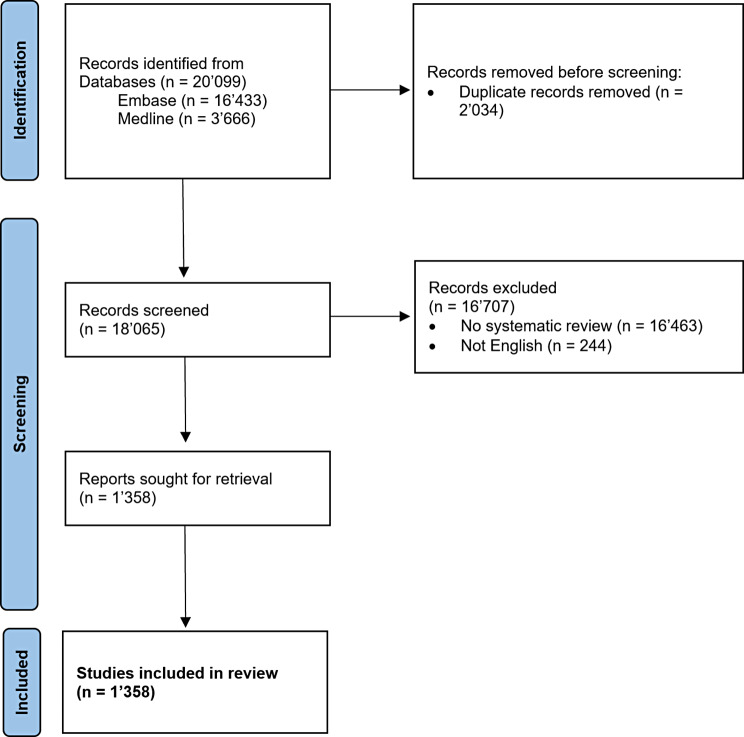
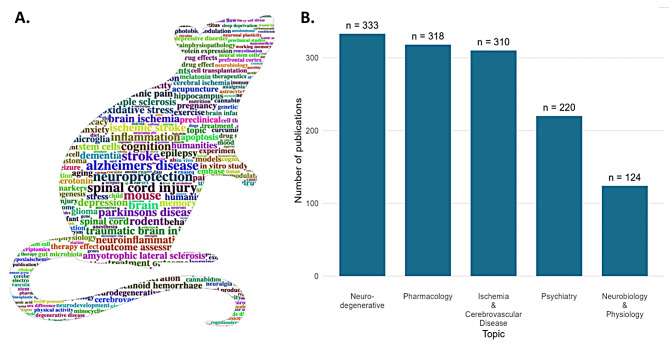
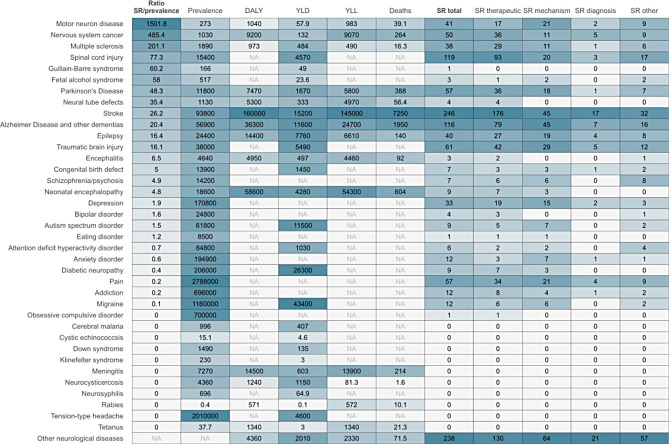
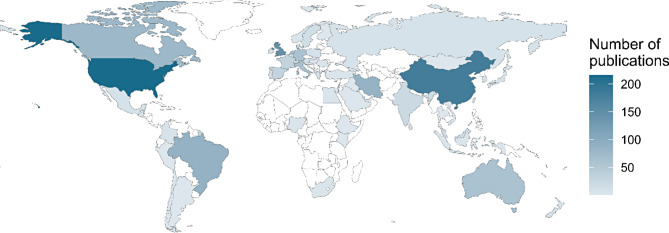
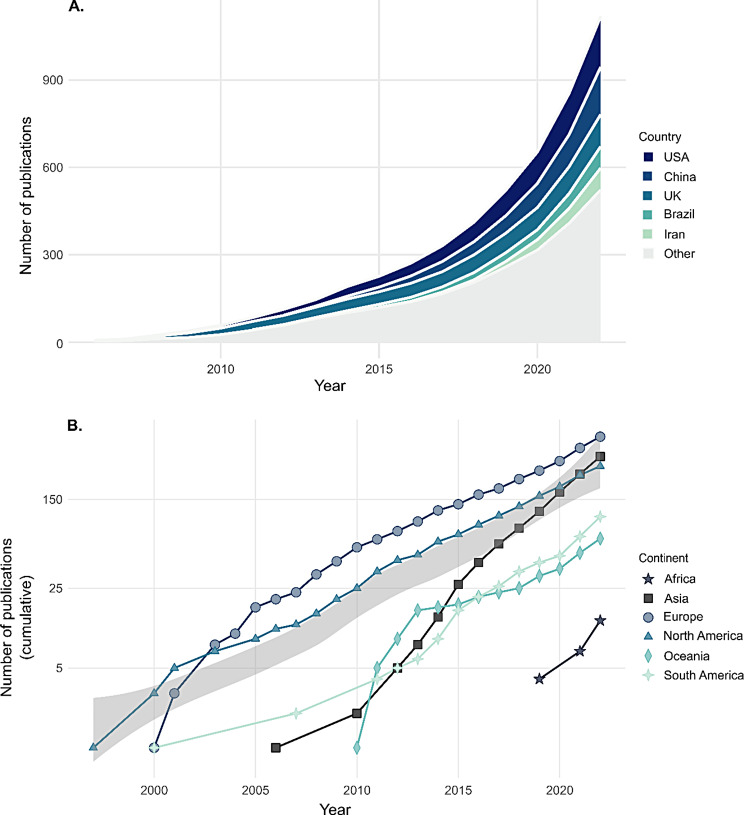
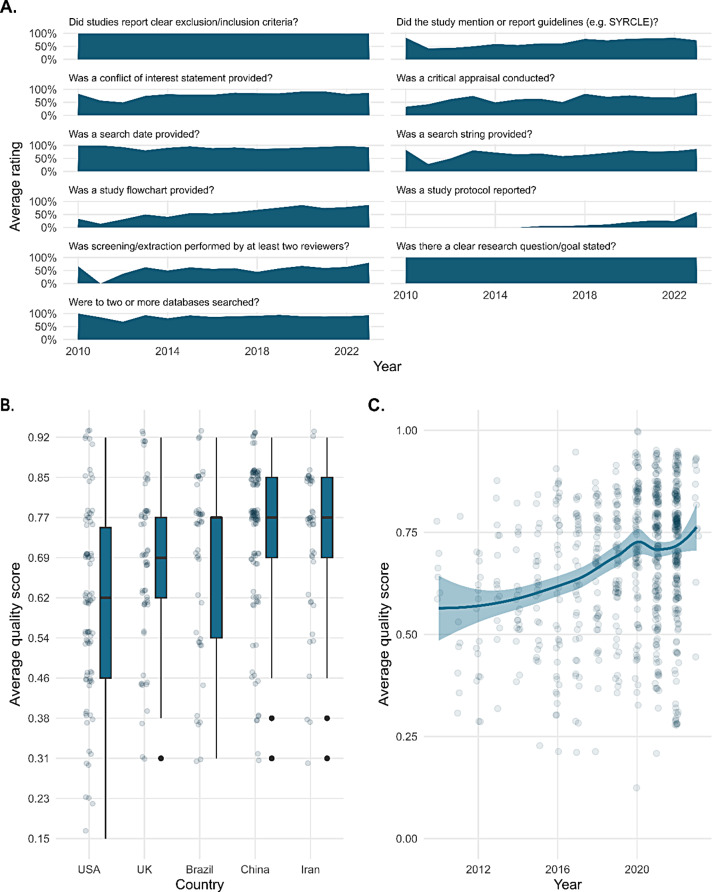
Results: From 18'065 records identified, we included 1'358 animal systematic reviews in our study. These reviews commonly focus on translational research but with notable topical gaps such as schizophrenia, other psychiatric disorders, and brain tumours. They originate from 64 countries, with the United States, China, the UK, Brazil, and Iran being the most prolific. The automated quality assessment indicated high reliability, with F1-scores over 80% for most criteria. Overall, the reviews were of high quality and the quality improved over time. However, many systematic reviews did not report a pre-registered study protocol. Reviews with a pre-registered protocol generally scored higher in quality. No significant differences in quality were observed between countries.
Conclusion: Animal systematic reviews in neuroscience are of overall of high quality. Our study highlights specific areas for enhancement such as the recommended pre-publication of study protocols. It also identifies under-represented topics that could benefit from further investigation to inform translational research. Such measures can contribute to the effective translation of animal research findings to clinical applications.
Keywords: Animal research; Animal welfare; Automation; Evidence map; Neuroscience; Risk of bias; Systematic review; Translational research.
© 2024. The Author(s).
Conflict of interest statement
Declarations. Consent for publication: Not applicable. Competing interests: The authors declare that they have no competing interests. Ethical approval and consent to participate: Not applicable.
Figures
References
-
- Egger M, Higgins JP, Smith GD. Systematic reviews in health research: Meta-analysis in context. Wiley; 2022.
-
- Ineichen BV, Held U, Salanti G, Macleod MR, Wever KE. Systematic review and meta-analysis of preclinical studies. Nat Reviews Methods Primers. 2024;4:72. - DOI
Publication types
MeSH terms
Grants and funding
LinkOut - more resources
Full Text Sources
Miscellaneous
