


The Uluzzian and Châtelperronian: No Technological Affinity in a Shared Chronological Framework
- PMID: 39764441
- PMCID: PMC11700062
- DOI: 10.1007/s41982-024-00202-1
The Uluzzian and Châtelperronian: No Technological Affinity in a Shared Chronological Framework
Abstract
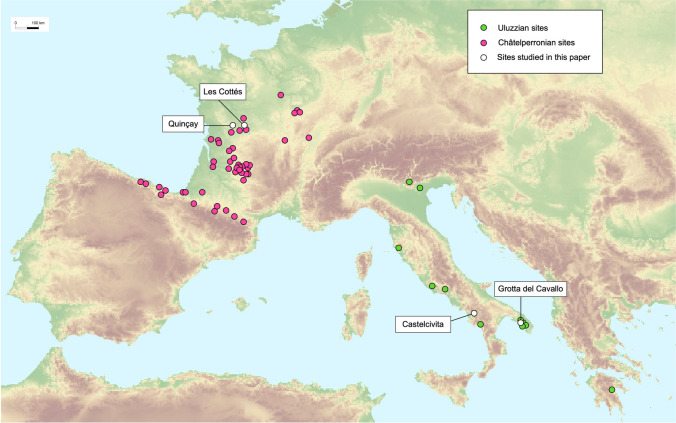
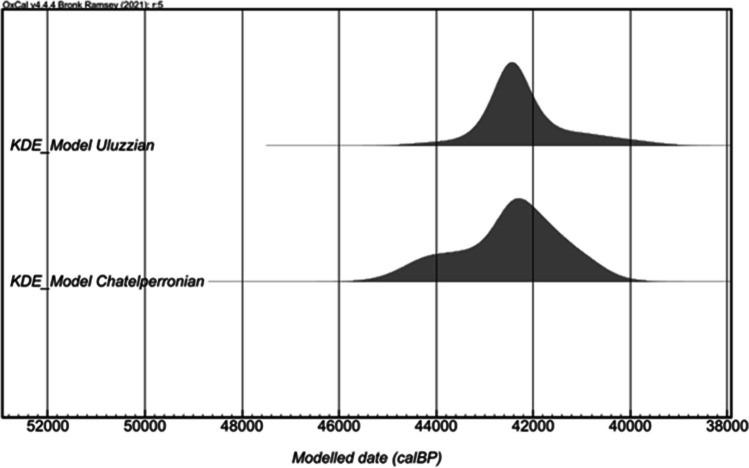
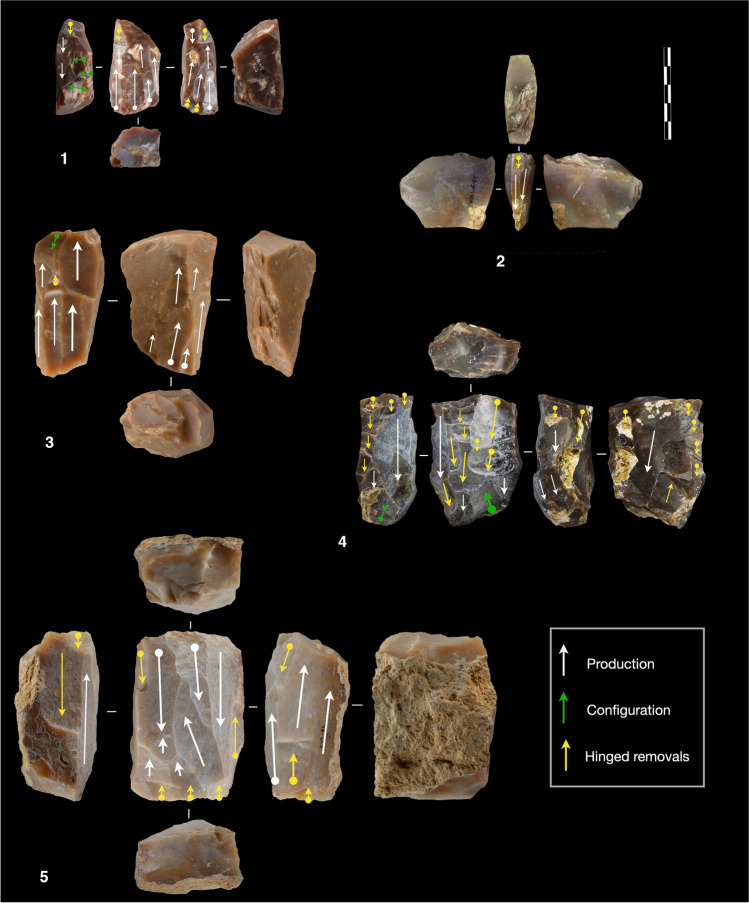
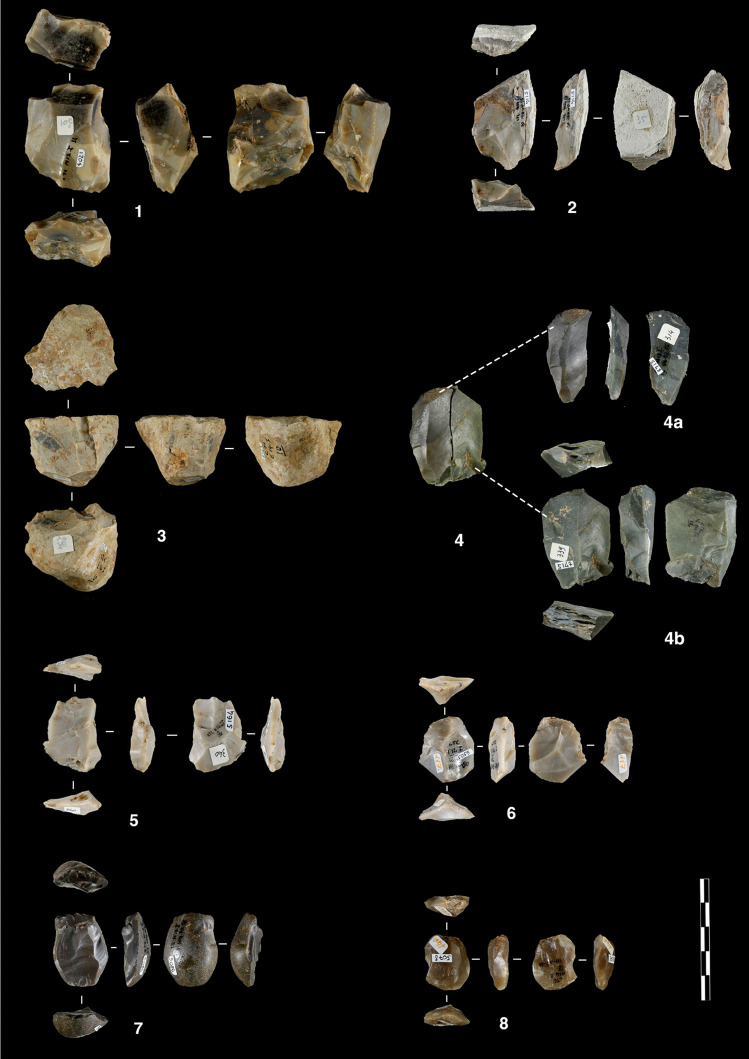
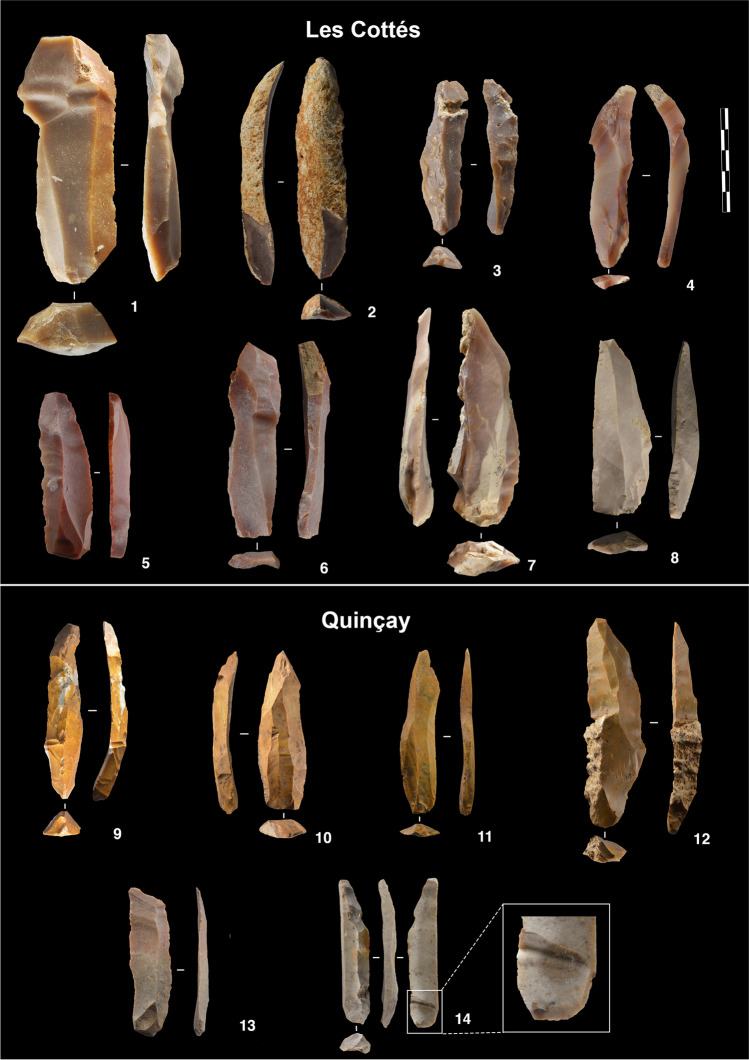
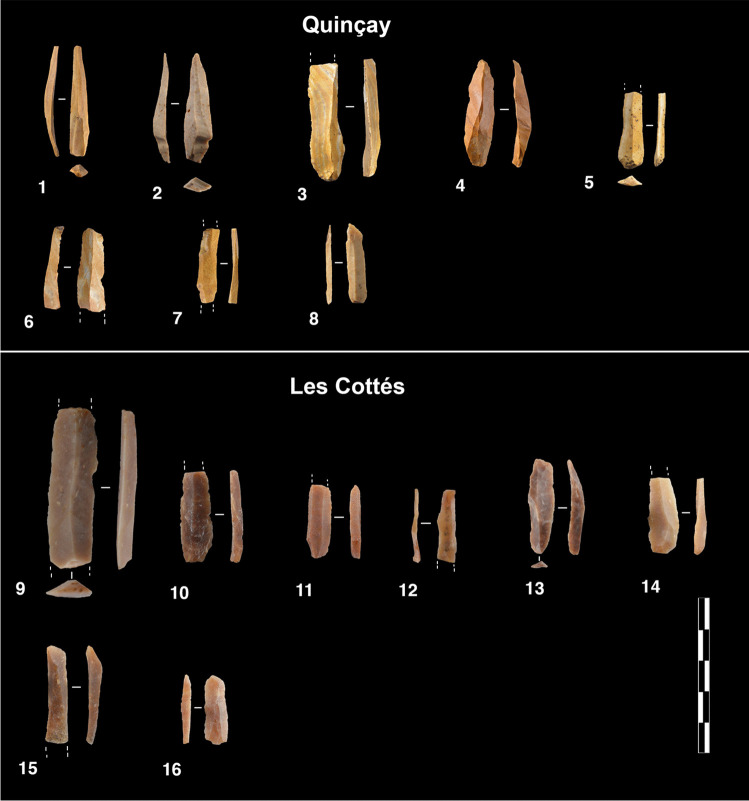
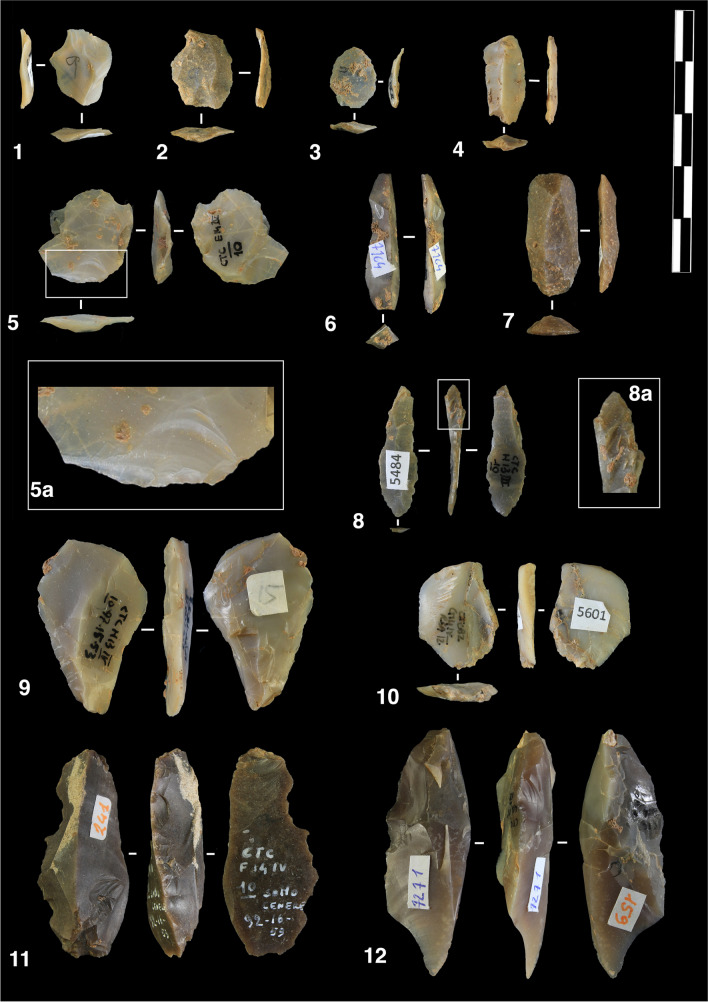
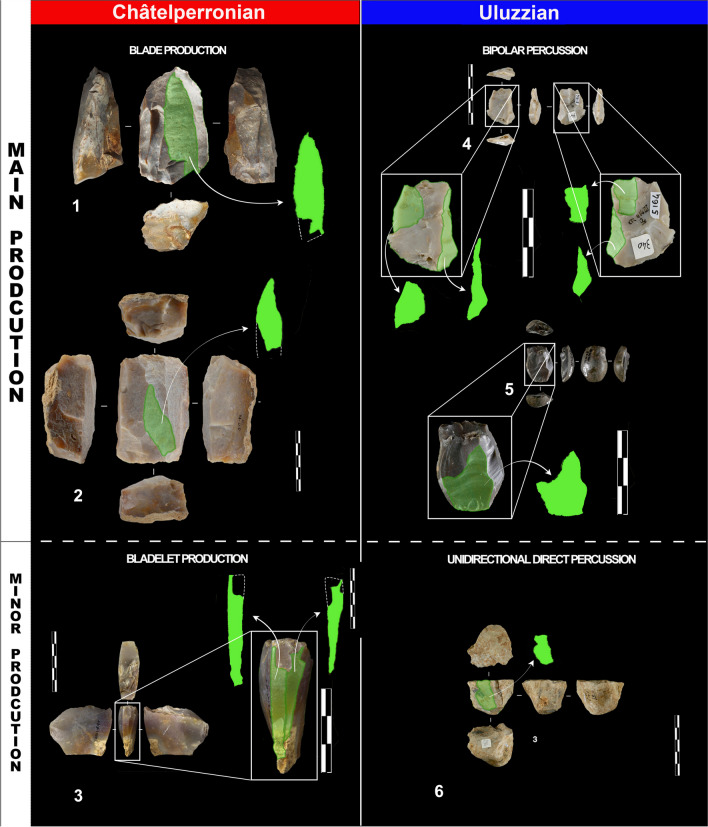
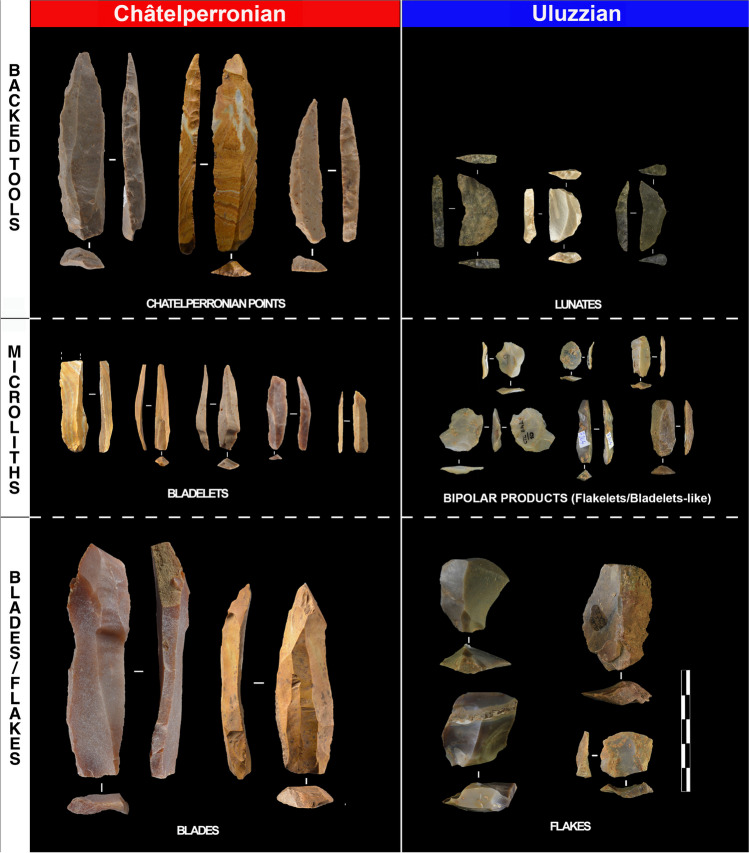
The Châtelperronian and Uluzzian techno-complexes are identified in western Europe in the same stratigraphic position, between the late Middle Palaeolithic and other Upper Palaeolithic assemblages. Both industries include retouched artefacts with abrupt retouch and arched backs, and radiometric dating indicates that these two technocomplexes belong to the same window of time. Here, we provide a detailed, qualitative technological comparison of two Châtelperronian and two Uluzzian lithic assemblages based on a collaborative, first-hand examination of these collections. This study results from a one-week workshop designed to bring relevant researchers together to conduct an in-person investigation of these lithic industries. Our analysis highlights significant technological divergences between these industries. In short, the Châtelperronian is a blade industry with a minor bladelet component produced by freehand direct percussion, whereas the Uluzzian is a flake-bladelet industry with massive use of bipolar percussion and a minor component produced by freehand, direct percussion. Our results suggest that there are no, or very little, technological affinities between the Châtelperronian and the Uluzzian - despite occupying the same window of time. As an extension, this suggests that there was little to no relationship/contact between the groups producing these industries during the Middle to Upper Palaeolithic transition. The distinctiveness of the Châtelperronian and Uluzzian highlights that technological behaviours in western Europe during the 45-40 ka can be very diverse and that general labels such as 'transitional industries' are unsatisfactory in describing this diversity.
Supplementary information: The online version contains supplementary material available at 10.1007/s41982-024-00202-1.
Keywords: Châtelperronian; Lithic technology; MP-UP transition; Transitional industries; Uluzzian.
© The Author(s) 2025.
Conflict of interest statement
Conflict of InterestThe authors declare no competing interests.
Figures


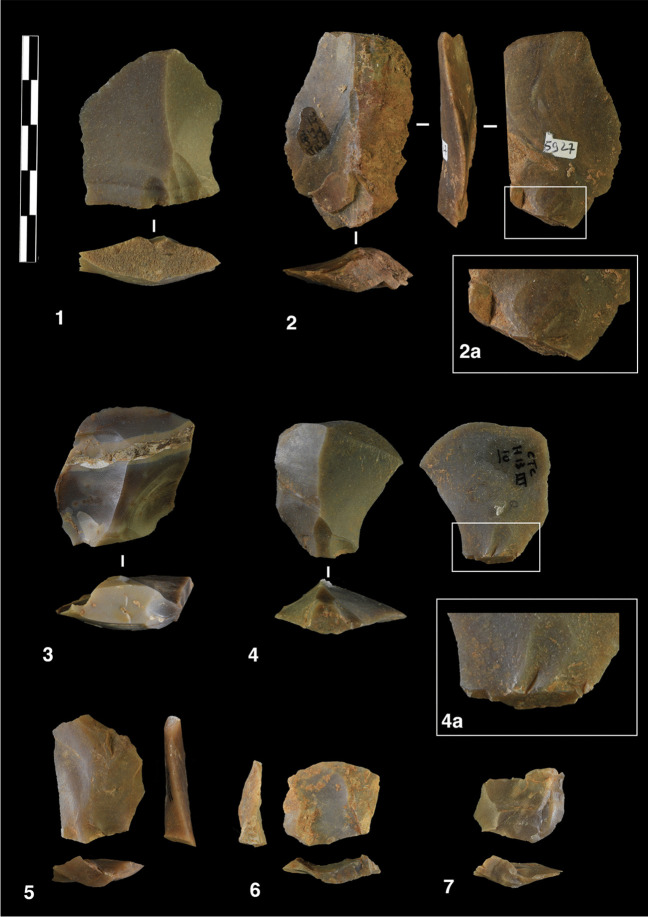
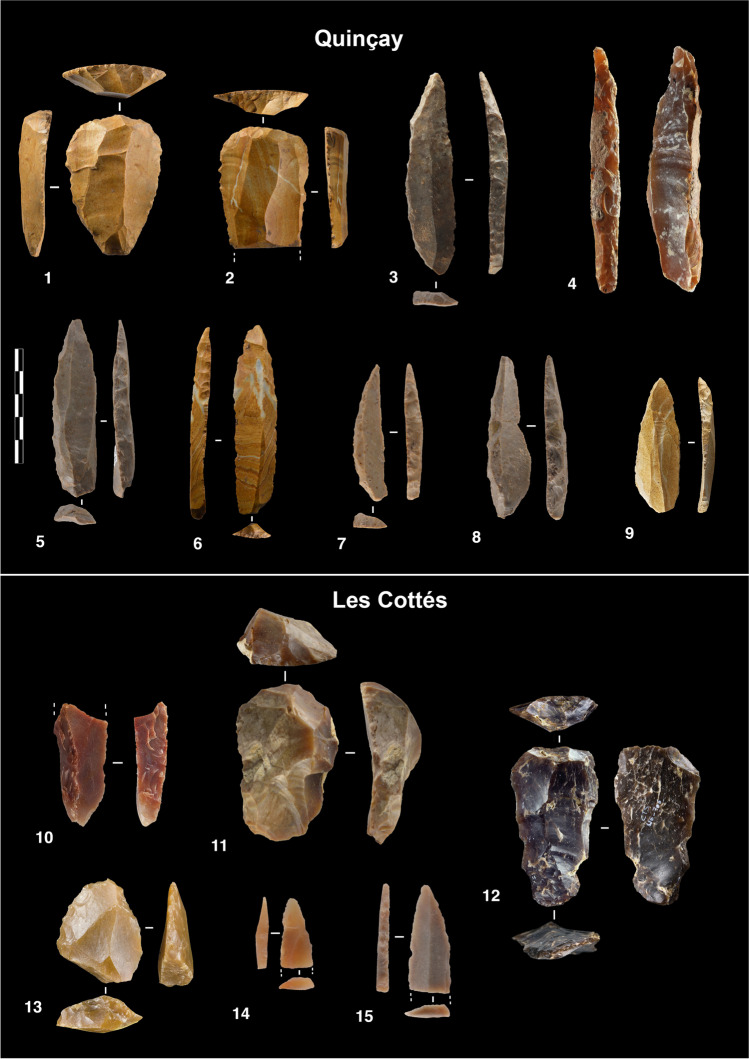
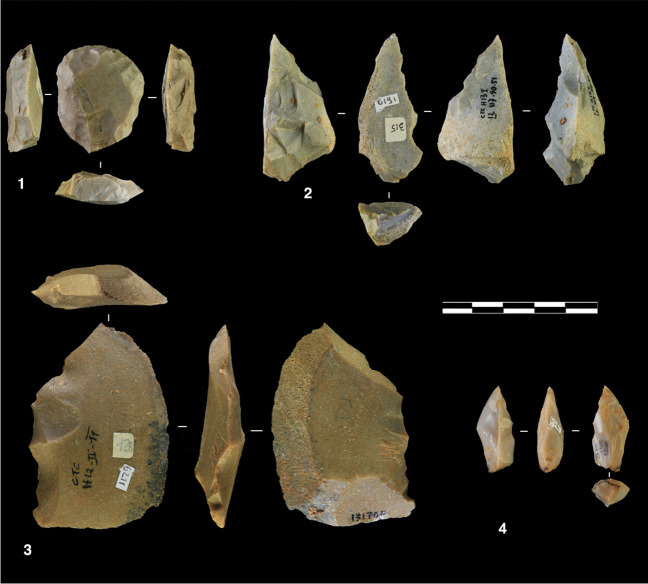
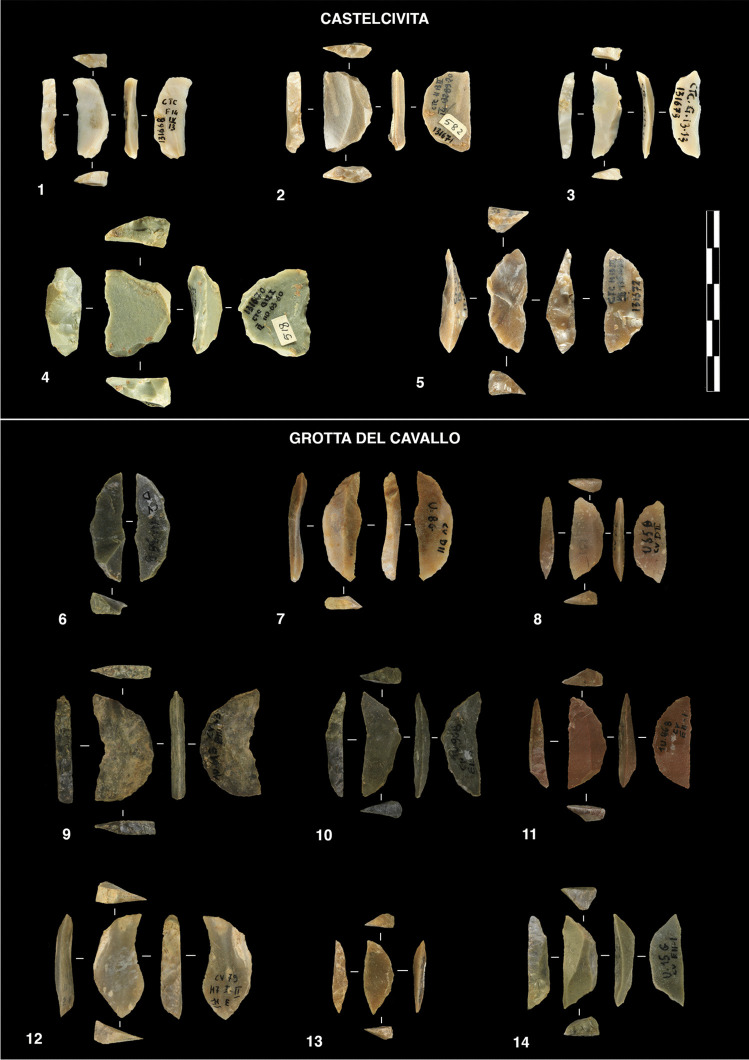
References
-
- Arrighi, S., Moroni, A., Tassoni, L., Boschin, F., Badino, F., Bortolini, E., et al. (2020). Bone tools, ornaments and other unusual objects during the Middle to Upper Palaeolithic transition in Italy. Quaternary International,551, 169–187. 10.1016/j.quaint.2019.11.016 - DOI
-
- Arrighi, S., Bortolini, E., Tassoni, L., Benocci, A., Manganelli, G., Spagnolo, V., et al. (2020). Backdating systematic shell ornament making in Europe to 45,000 years ago. Archaeological and Anthropological Sciences,12(2), 59. 10.1007/s12520-019-00985-3 - DOI
-
- Arrighi, S., Marciani, G., Rossini, M., Pereira Santos, M. C., Fiorini, A., Martini, I., et al. (2020). Between the hammerstone and the anvil: Bipolar knapping and other percussive activities in the late Mousterian and the Uluzzian of Grotta di Castelcivita (Italy). Archaeological and Anthropological Sciences,12(11), 271. 10.1007/s12520-020-01216-w - DOI
-
- Aubry, T., Dimuccio, L. A., Almeida, M., Buylaert, J. P., Fontana, L., Higham, T., Liard, M., Murray, A. S., Neves, M. J., Peyrouse, J. B., & Walter, B. (2012). Stratigraphic and technological evidence from the middle palaeolithic-Châtelperronian-Aurignacian record at the Bordes-Fitte rockshelter (Roches d’Abilly site, Central France). Journal of Human Evolution,62, 116–137. - DOI - PubMed
-
- Aubry, T., Dimuccio, L. A., Buylaert, J. P., Liard, M., Murray, A. S., Thomsen, K. J., & Walter, B. (2014). Middle-to-Upper Palaeolithic site formation processes at the Bordes-Fitte rockshelter (Central France). Journal of Archaeological Science,52, 436–457. - DOI
LinkOut - more resources
Full Text Sources
Research Materials