


Effects of Isoflavone Intake on Energy Requirement, Satiety, and Body Composition of Neutered Adult Cats
- PMID: 39765478
- PMCID: PMC11672616
- DOI: 10.3390/ani14243574
Effects of Isoflavone Intake on Energy Requirement, Satiety, and Body Composition of Neutered Adult Cats
Abstract
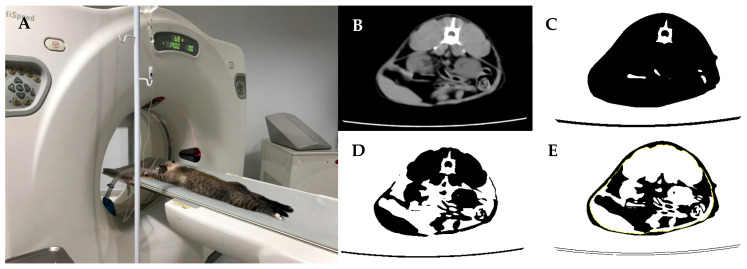
Isoflavones are composed of phytoestrogens (genistein and daidzein), which can be metabolized by cats. These compounds can promote the maintenance of lean body mass and control food intake. These effects are desirable in neutered animals, as they are predisposed to obesity. The objective of this study was to evaluate the effects of dietary supplementation of 1.0% isoflavone on the metabolizable energy intake, serum concentrations of satiety-related hormones and peptides, and body composition of neutered cats. Sixteen neutered adult cats were blocked by gender and divided into two groups (n = 8): the control group (CG) received a commercial diet, while the isoflavone group (IG) received the same diet supplemented by 1% of isoflavone for 99 days. Computed tomography was performed on the first and last experimental days to assess the animals' body composition. Satiety challenges were conducted on days 19 and 44. In the last day of the study, blood samples were collected to determine the concentration of insulin, ghrelin, leptin, peptide YY, and GLP-1. A statistical analysis was conducted using R software 3.5.2, considering both the interaction and individual effects of group and time (p < 0.05). The average intake of genistein in the IG was 0.75 ± 0.10 mg/kg body weight, and daidzein intake was 51.73 ± 7.05 mg/kg. No significant individual or interaction effects were observed for any of the analyzed variables. Therefore, the inclusion of 1.0% isoflavone in the diet did not affect the energy requirements, satiety responses, or body composition of neutered adult cats.
Keywords: aglycones; daidzein; felines; genistein; nutrition.
Conflict of interest statement
Author Eduardo Kato Watanabe was employed by the company Anestall. Author Guilherme Bernardo Cornélio Coelho was employed by the company Sinus Vet. The remaining authors declare that the research was conducted in the absence of any commercial or financial relationships that could be construed as a potential conflict of interest.
Figures

References
-
- Megha P.S., Ramnath V., Karthiayini K., Beena V., Vishnudas K.V., Sapna P.P. Free Isoflavone (Daidzein and Genistein) Content in Soybeans, Soybean Meal and Dried Soy Hypocotyl Sprout Using High Performance Liquid Chromatography (HPLC) J. Sci. Res. Rep. 2024;30:803–812. doi: 10.9734/jsrr/2024/v30i51999. - DOI
-
- Hsiao Y.H., Ho C.T., Pan M.H. Bioavailability and Health Benefits of Major Isoflavone Aglycones and Their Metabolites. J. Funct. Foods. 2020;74:104164. doi: 10.1016/j.jff.2020.104164. - DOI
LinkOut - more resources
Full Text Sources
Miscellaneous
