


Effectiveness of Non-Pharmacological Interventions in the Management of Pediatric Chronic Pain: A Systematic Review
- PMID: 39767849
- PMCID: PMC11674135
- DOI: 10.3390/children11121420
Effectiveness of Non-Pharmacological Interventions in the Management of Pediatric Chronic Pain: A Systematic Review
Abstract
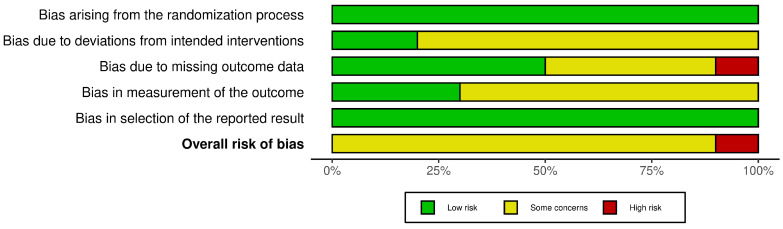
(1) Background: Chronic pain in children remains an under-researched area, especially compared to acute pain. This systematic review aims to evaluate the effectiveness of non-pharmacological interventions in the management of pediatric chronic pain and their impact on the well-being of both children and their families. Given the growing interest in integrative treatments to reduce reliance on pharmacological solutions, this review addresses the need for alternative therapeutic approaches. (2) Methods: A systematic review was conducted following the PRISMA guidelines, covering studies published between 2019 and 2024 from PubMed, Cochrane Library, Web of Science, and Scopus. Eligible studies included children aged 2 to 18 years with chronic pain who received non-pharmacological interventions. Data were extracted on intervention types, participant characteristics, and outcomes. The risk of bias was assessed using RoB2 for randomized trials and ROBINS-I for non-randomized studies. (3) Results: A total of 11 studies involving 1739 children were included, assessing interventions such as cognitive behavioral therapy, personalized psychosocial follow-up programs, hypnotherapy, music therapy, and digital tools. The results demonstrated significant reductions in pain severity, improvements in emotional and physical well-being, and high patient satisfaction. However, the generalizability of findings was limited by the small sample sizes and variability in study designs. (4) Conclusions: Non-pharmacological interventions appear effective in managing pediatric chronic pain, offering improvements in pain reduction and quality of life. Further research is needed to optimize these approaches and confirm their long-term benefits across diverse populations. These interventions represent promising alternatives or complements to pharmacological treatments in pediatric pain management.
Keywords: children; non-pharmacological interventions; pain management; pediatric chronic pain; systematic review.
Conflict of interest statement
The authors declare no conflicts of interest.
Figures



References
-
- Raja S.N., Carr D.B., Cohen M., Finnerup N.B., Flor H., Gibson S., Keefe F.J., Mogil J.S., Ringkamp M., Sluka K.A., et al. The Revised International Association for the Study of Pain Definition of Pain: Concepts, Challenges, and Compromises. Pain. 2020;161:1976–1982. doi: 10.1097/j.pain.0000000000001939. - DOI - PMC - PubMed
-
- Leyva Carmona M., Torres Luna R., Ortiz San Román L., Marsinyach Ros I., Navarro Marchena L., Mangudo Paredes A.B., Ceano-Vivas la Calle M. Documento de Posicionamiento Del Grupo Español Para El Estudio Del Dolor Pediátrico (GEEDP) de La Asociación Española de Pediatría Sobre El Registro Del Dolor Como Quinta Constante. An. Pediatría. 2019;91:e1–e58. doi: 10.1016/j.anpedi.2019.05.001. - DOI - PubMed
-
- Eijlers R., Utens E., Staals L.M., de Nijs P.F.A., Berghmans J.M., Wijnen R.M.H., Hillegers M.H.J., Dierckx B., Legerstee J.S. Systematic Review and Meta-Analysis of Virtual Reality in Pediatrics: Effects on Pain and Anxiety. Anesth. Analg. 2019;129:1344–1353. doi: 10.1213/ANE.0000000000004165. - DOI - PMC - PubMed
-
- Suleiman-Martos N., García-Lara R.A., Membrive-Jiménez M.J., Pradas-Hernández L., Romero-Béjar J.L., Dominguez-Vías G., Gómez-Urquiza J.L. Effect of a Game-Based Intervention on Preoperative Pain and Anxiety in Children: A Systematic Review and Meta-Analysis. J. Clin. Nurs. 2022;31:3350–3367. doi: 10.1111/jocn.16227. - DOI - PMC - PubMed
Publication types
LinkOut - more resources
Full Text Sources
