


Executive Functions Assessment in a Child with Autism: A Pilot Single-Case Study from a Longitudinal and Mixed Methods Approach
- PMID: 39767897
- PMCID: PMC11674081
- DOI: 10.3390/children11121468
Executive Functions Assessment in a Child with Autism: A Pilot Single-Case Study from a Longitudinal and Mixed Methods Approach
Abstract
Although the literature confirms executive deficits in individuals with autism spectrum disorder (ASD) that hinder adaptation, evidence-based intervention programs targeting this area are scarce, and even fewer have evaluated their effectiveness.
Objectives: This study aimed to assess a pilot program designed to improve the executive functions of a child five years and nine months in age with ASD.
Methods: To evaluate the effects of the intervention, observational methodology was used, which is considered a mixed method in itself as it integrates both qualitative and quantitative elements in its various phases. Specifically, an idiographic, longitudinal, and multidimensional design was followed. A lag sequential analysis was conducted using GSEQ software Version 5.1, enabling us to study changes in the executive functions of a child before, during, and after the intervention, including whether its effects are sustained over time.
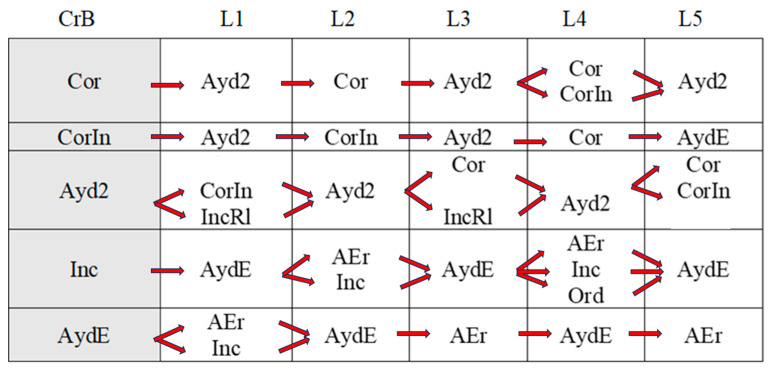
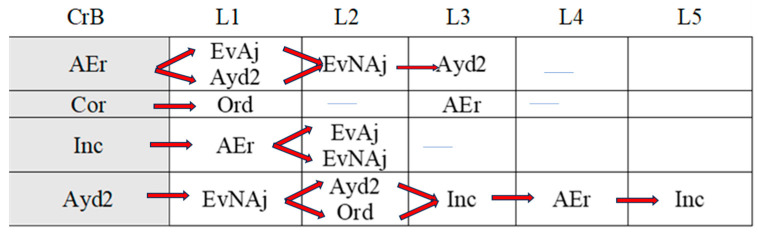
Results: The sequential patterns obtained indicate more appropriate and complex executive functioning after the three-month intervention, specifically increased cognitive flexibility, improved self-regulation, more accurate evaluation, and progress in inhibitory processes. However, these improvements do not persist over time.
Conclusion: This study contributes to the scarcely explored field of executive function interventions in children with ASD, although it is necessary to consider the generalization of the results to other contexts, such as family and school, during interaction with peers.
Keywords: assessment; autism spectrum disorder; intervention; lag sequential analysis; mixed methods; systematic observation.
Conflict of interest statement
The authors declare no conflicts of interest. The funders had no role in the design of the study; in the collection, analyses, or interpretation of data; in the writing of the manuscript; or in the decision to publish the results.
Figures






References
-
- Zelazo P.D., Carlson S.M. The neurodevelopment of executive function skills: Implications for academic achievement gaps. Psychol. Neurosci. 2020;13:273–298. doi: 10.1037/pne0000208. - DOI
Grants and funding
LinkOut - more resources
Full Text Sources
