


Functional Mechanical Behavior and Biocompatible Characteristics of Graphene-Coated Cardiovascular Stents
- PMID: 39769110
- PMCID: PMC11728169
- DOI: 10.3390/ijms252413345
Functional Mechanical Behavior and Biocompatible Characteristics of Graphene-Coated Cardiovascular Stents
Abstract
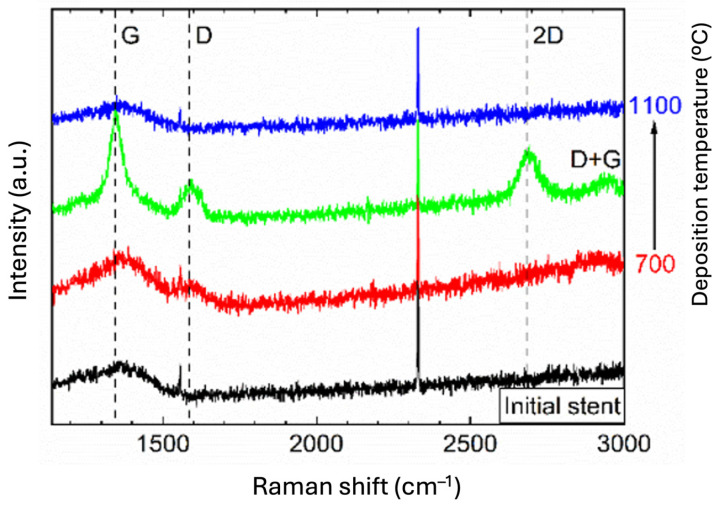
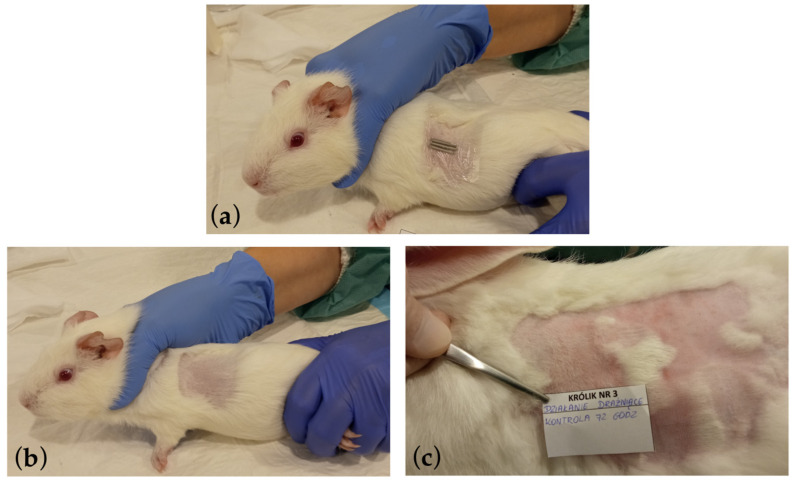
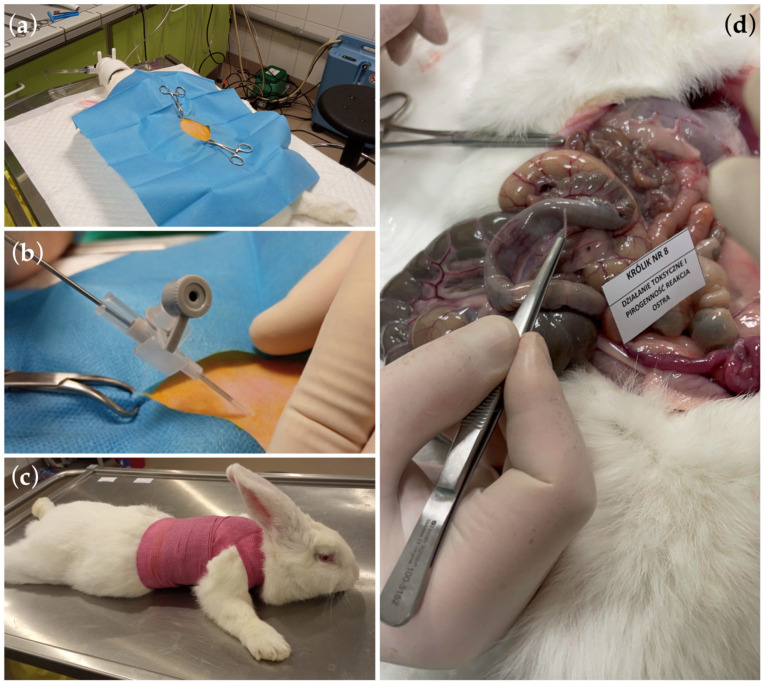
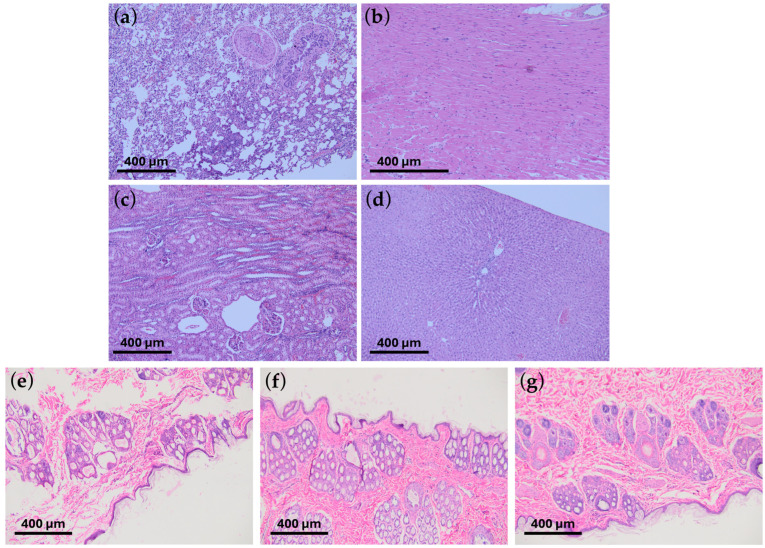
Percutaneous Coronary Intervention (PCI) is a treatment method that involves reopening narrowed arteries with a balloon catheter that delivers a cylindrical, mesh-shaped implant device to the site of the stenosis. Currently, by applying a coating to a bare metal stent (BMS) surface to improve biocompatibility, the main risks after PCI, such as restenosis and thrombosis, are reduced while maintaining the basic requirements for the mechanical behavior of the stent itself. In this work, for the first time, the development and optimization process of the spatial structure of the Co-Cr stent (L-605) with a graphene-based coating using cold-wall chemical vapor deposition (CW-CVD) to ensure uniform coverage of the implant was attempted. The CW-CVD process allows the coating of 3D structures, minimizing thermal stress on the surrounding equipment and allowing the deposition of coatings on temperature-sensitive materials. It produces uniform and high-purity films with control over the thickness and composition. The reduced heating of the chamber walls minimizes unwanted reactions, leading to fewer impurities in the final coating. The graphene layers obtained using Raman spectroscopy at different parameters of the CW-CVD process were verified, their properties were investigated, and the functional mechanical behavior of the studied graphene-covered stent was confirmed. In vitro, graphene-coated stents promoted rapid endothelial cell repopulation, an advantage over gold-standard drug-eluting stents delaying re-endothelialization. Also, full-range biocompatibility studies on potential allergic, irritation, toxicological, and pyrogenic reactions of new material in vivo on small animal models demonstrated excellent biocompatibility of the graphene-coated stents.
Keywords: biocompatibility; cardiovascular stent; cold-wall chemical vapor deposition (CW-CVD); endothelialization; graphene; mechanical behavior.
Conflict of interest statement
Authors Dariusz Hreniak and Vitalii Boiko were employed by the company Carbonmed Ltd. The remaining authors declare that the research was conducted in the absence of any commercial or financial relationships that could be construed as a potential conflict of interest.
Figures

References
-
- Hauert R., Thorwarth K., Thorwarth G. An overview on diamond-like carbon coatings in medical applications. Surf. Coat. Technol. 2013;233:119–130. doi: 10.1016/j.surfcoat.2013.04.015. - DOI
-
- Love C.A., Cook R.B., Harvey T.J., Dearnley P.A., Wood R.J.K. Diamond like carbon coatings for potential application in biological implants—A review. Tribol. Int. 2013;63:141–150. doi: 10.1016/j.triboint.2012.09.006. - DOI
MeSH terms
Substances
LinkOut - more resources
Full Text Sources
Miscellaneous
