


Microbial Dynamics: Assessing Skincare Regimens' Impact on the Facial Skin Microbiome and Skin Health Parameters
- PMID: 39770857
- PMCID: PMC11728252
- DOI: 10.3390/microorganisms12122655
Microbial Dynamics: Assessing Skincare Regimens' Impact on the Facial Skin Microbiome and Skin Health Parameters
Abstract
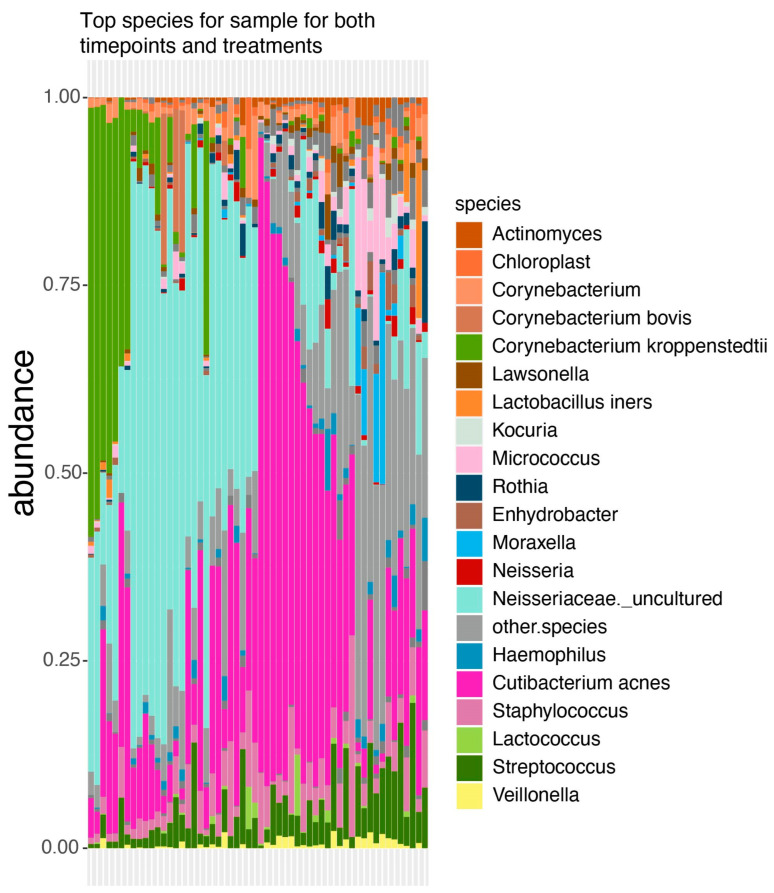
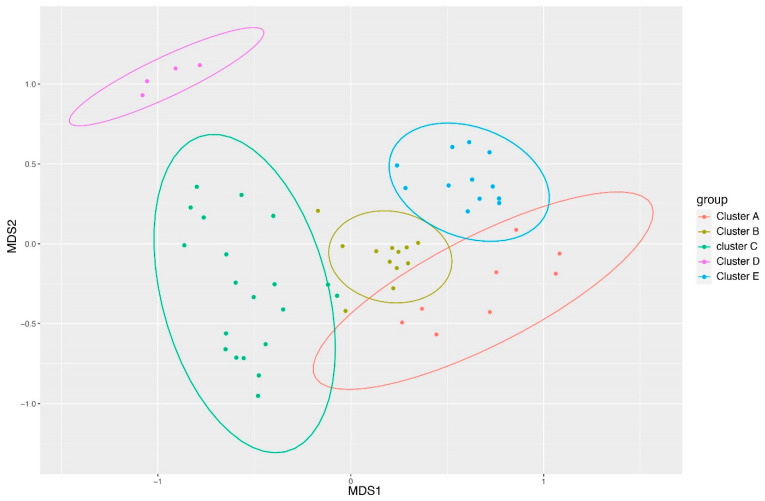
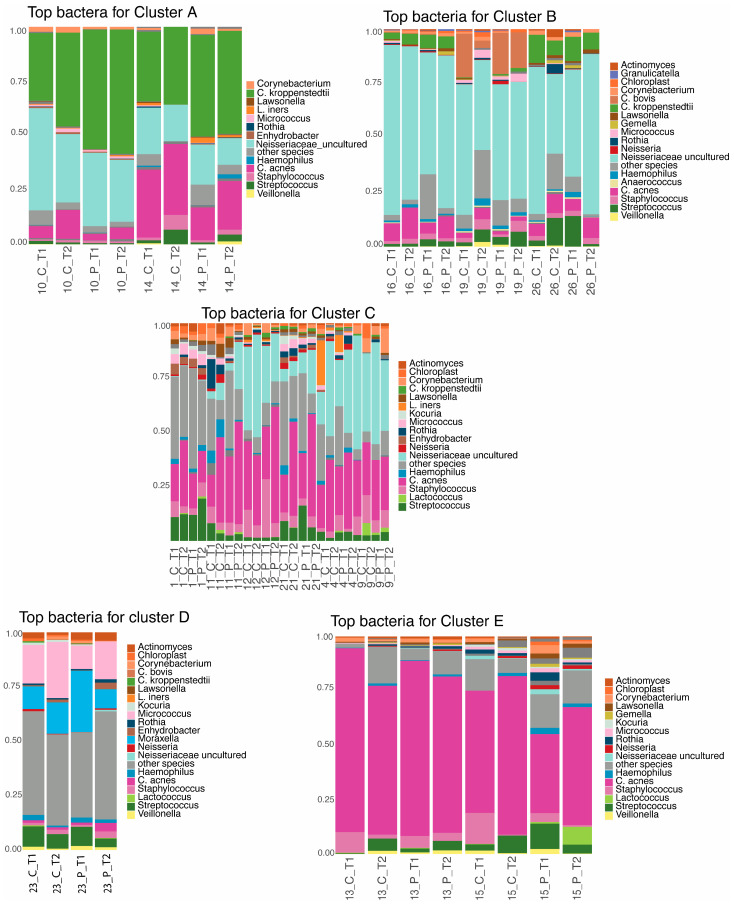
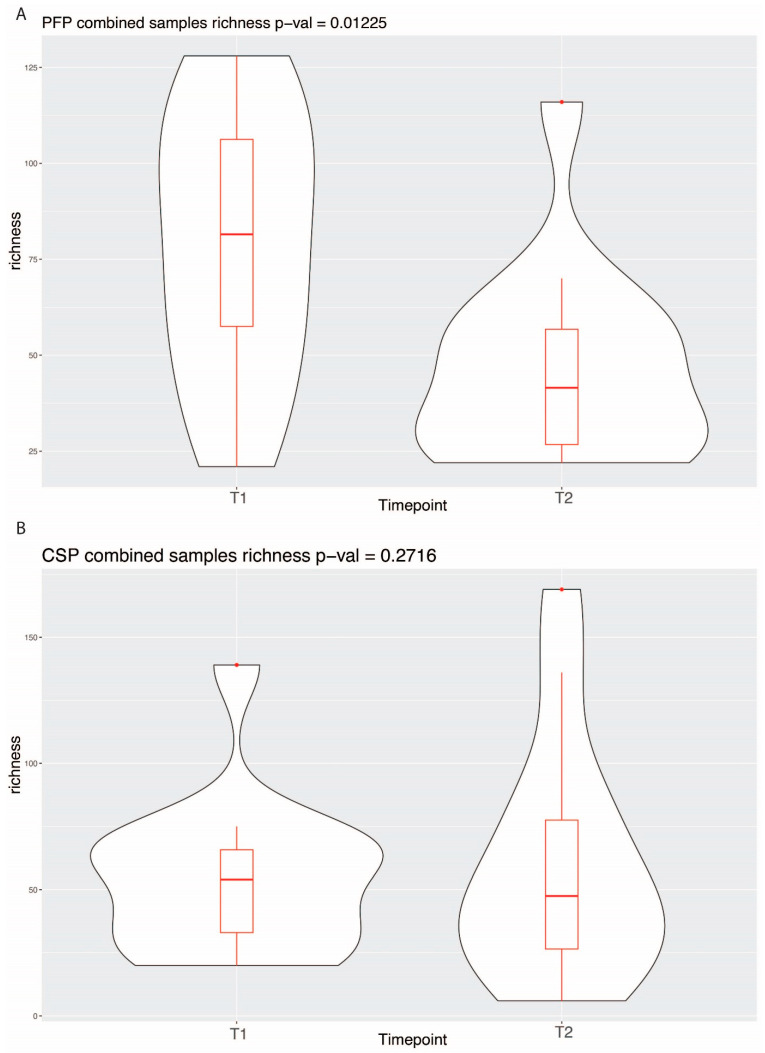
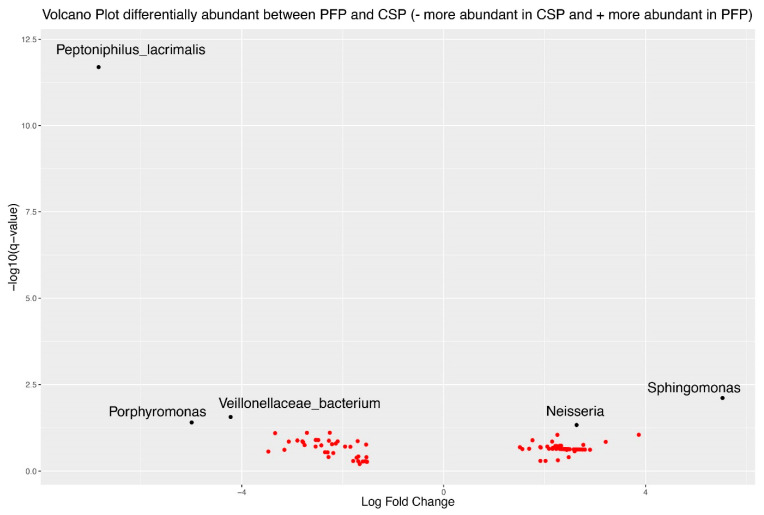
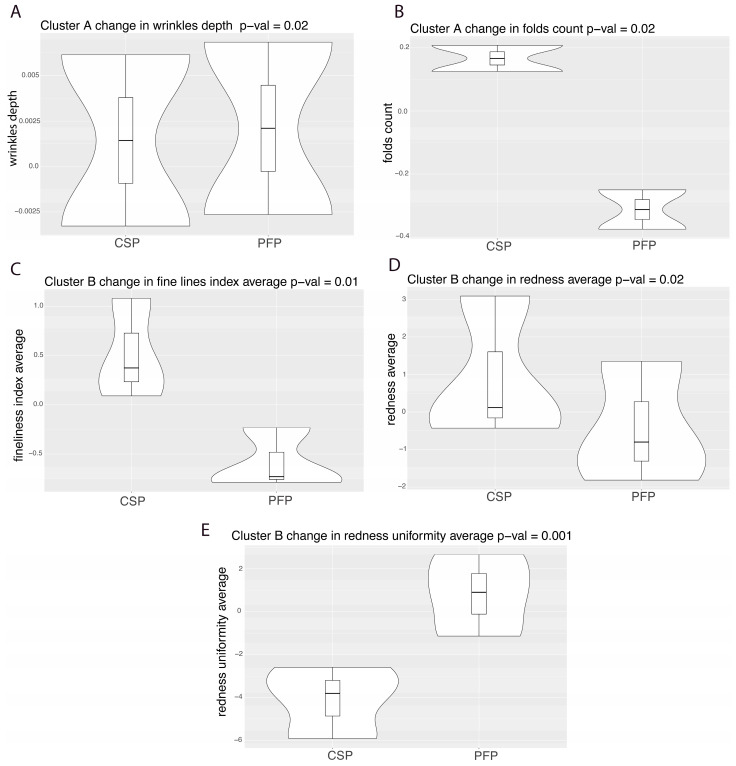
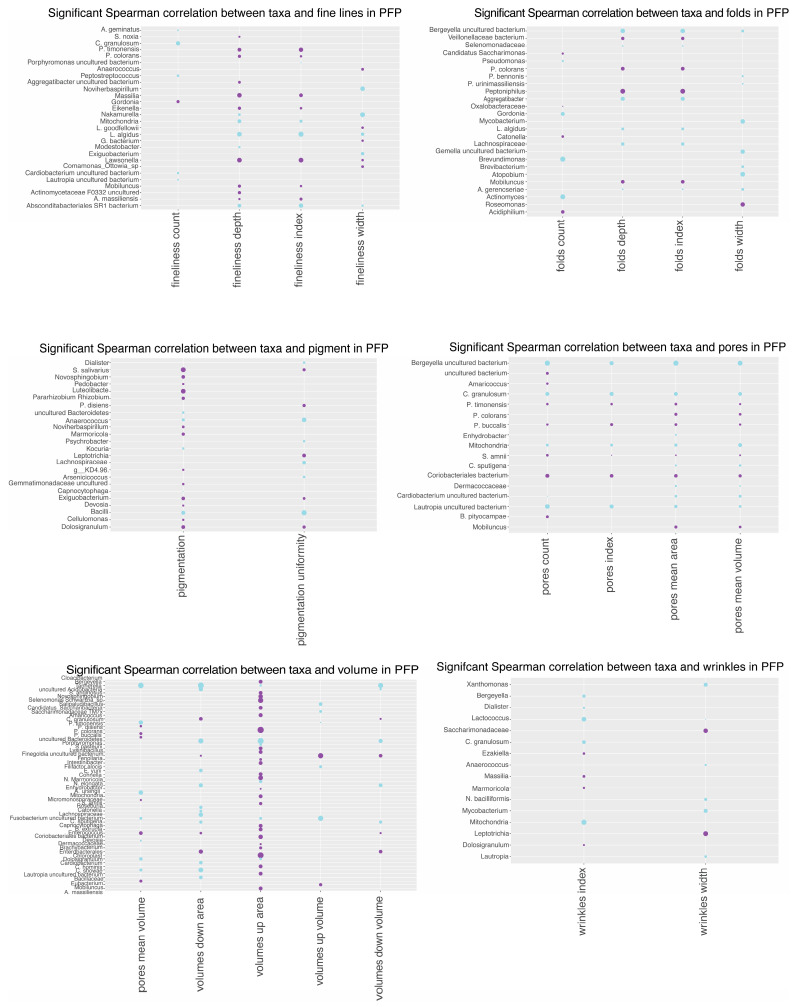
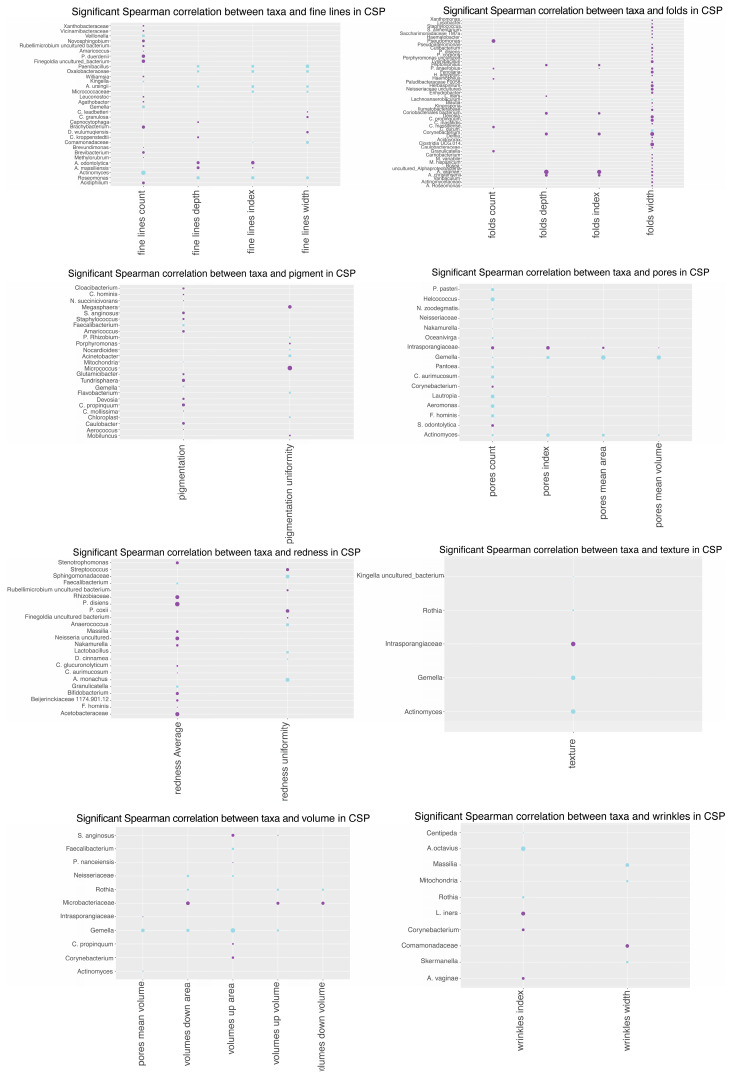
The human skin microbiome, a complex ecosystem of microbes, plays a pivotal role in skin health. This study aimed to investigate the impact of two skincare regimens, with preservatives (CSPs) and preservative-free (PFPs), on the skin microbiome in correlation to skin quality. double-blind randomized cosmetic studywith a split-face design was conducted on 26 female participants. Microbial diversity and abundance were analyzed using 16S rRNA amplicon sequence data and skin quality utilizing the Antera 3D skin camera. We confirmed earlier studies on the identification of major skin microbial taxa at the genus level, including Cutibacterium acnes, Corynebacterium, and Neisseriaceae as a predominant part of the facial skin microbiome. Furthermore, microbiome profile-based subgrouping was employed, which revealed that the cluster, characterized by the Neisseriaceae family as its predominant organism, exhibited significant reduction in folds count, fine lines, and redness after application of PFP compared to CSP. A Spearman correlation analysis highlighted the correlation between changes in specific bacteria and skin quality parameters such as redness, pores, and texture in the context of comparing PFP and CSP. Overall, the PFP treatment demonstrated a greater number of significant correlations between bacterial changes and skin quality compared to the CSP treatment, suggesting a distinct impact of the preservative-free skincare regimen on the skin microbiome and skin quality. Our study provides insights into different microbiome-centered approaches to improve our understanding of the skin microbiome's interplay with skin quality but also highlights the need for larger, comprehensive research to further understand the microbiome's role in dermatology.
Keywords: 16S rRNA; dermatology; effects of skincare; microbiology; microbiome analysis; skin microbiome.
Conflict of interest statement
Johanna Maria Gillbro and Ulf Åkerström are employees of Skinome Research AB. The other authors have no conflicts of interest to disclose.
Figures
References
-
- Santamaria E., Akerstrom U., Berger-Picard N., Lataste S., Gillbro J.M. Randomized comparative double-blind study assessing the difference between topically applied microbiome supporting skincare versus conventional skincare on the facial microbiome in correlation to biophysical skin parameters. Int. J. Cosmet. Sci. 2023;45:83–94. doi: 10.1111/ics.12826. - DOI - PubMed
-
- Kong H.H., Oh J., Deming C., Conlan S., Grice E.A., Beatson M.A., Nomicos E., Polley E.C., Komarow H.D., Program N.C.S., et al. Temporal shifts in the skin microbiome associated with disease flares and treatment in children with atopic dermatitis. Genome Res. 2012;22:850–859. doi: 10.1101/gr.131029.111. - DOI - PMC - PubMed
LinkOut - more resources
Full Text Sources
