


Concomitant Inhibition and Collaring of Dual-Species Biofilms Formed by Candida auris and Staphylococcus aureus by Triazole Based Small Molecule Inhibitors
- PMID: 39771549
- PMCID: PMC11677466
- DOI: 10.3390/pharmaceutics16121570
Concomitant Inhibition and Collaring of Dual-Species Biofilms Formed by Candida auris and Staphylococcus aureus by Triazole Based Small Molecule Inhibitors
Abstract
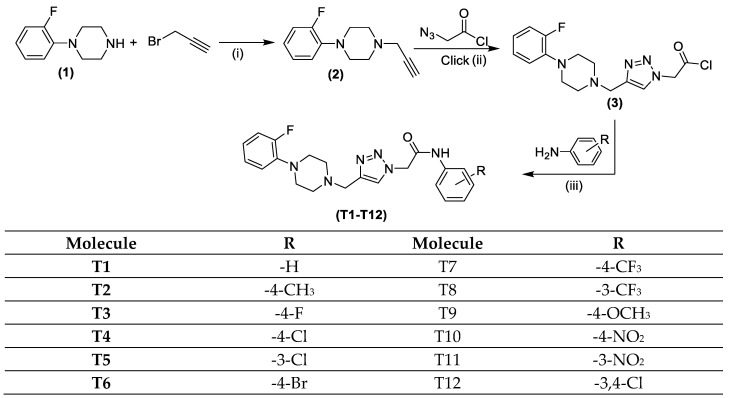
Background/objectives: Biofilm-associated infections, particularly those involving Candida auris and Staphylococcus aureus, pose significant challenges in clinical settings due to their resilience and resistance to conventional treatments. This study aimed to synthesize novel triazole derivatives containing a piperazine ring via click chemistry and evaluate their efficacy in disrupting biofilms formed by these pathogens.
Methods: Triazole derivatives were synthesized using click chemistry techniques. The antimicrobial activity of the compounds was tested against planktonic cells of C. auris and S. aureus in single and dual-species culture conditions. Biofilm disruption efficacy was assessed, alongside the evaluation of physicochemical properties, oral bioavailability potential, and toxicity profiles.
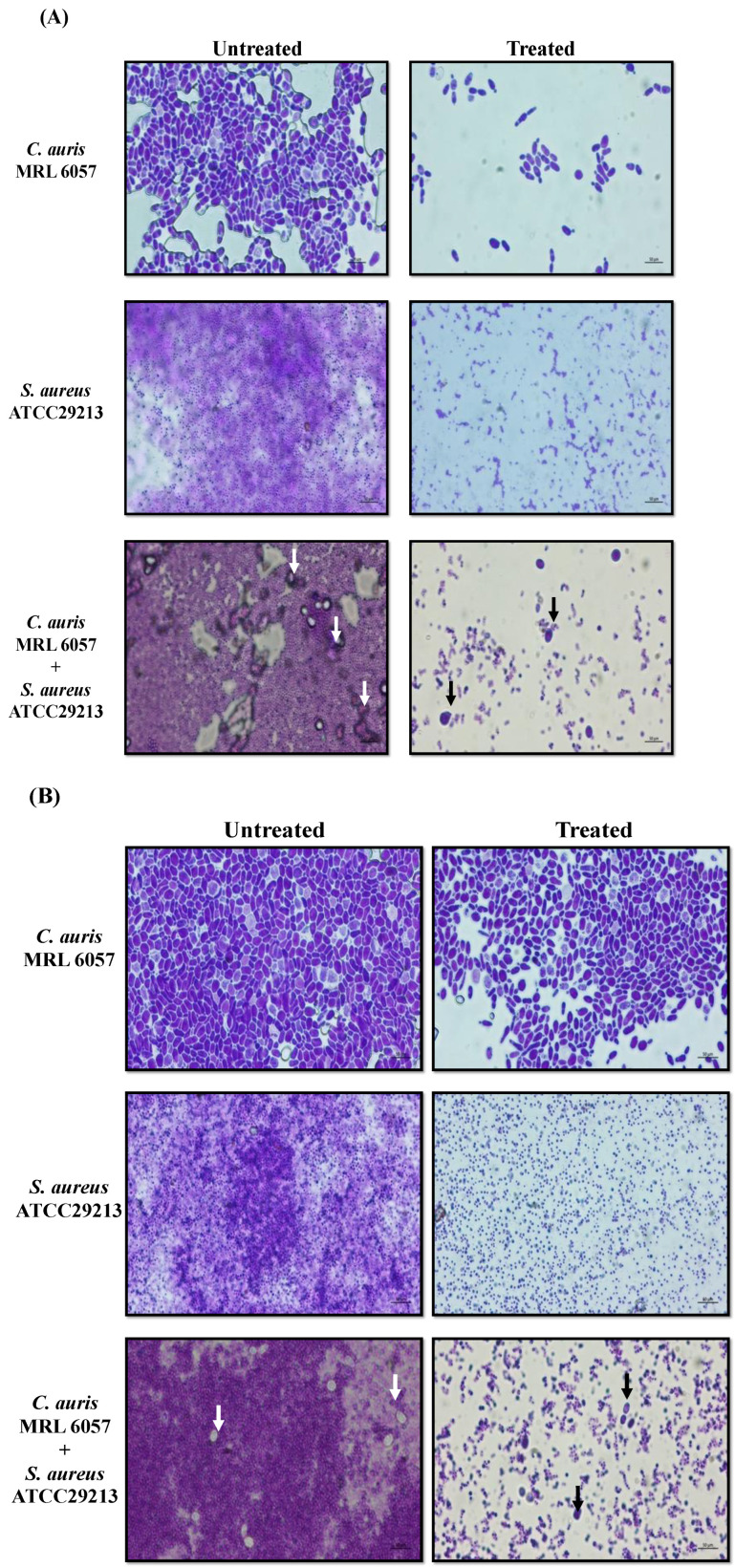
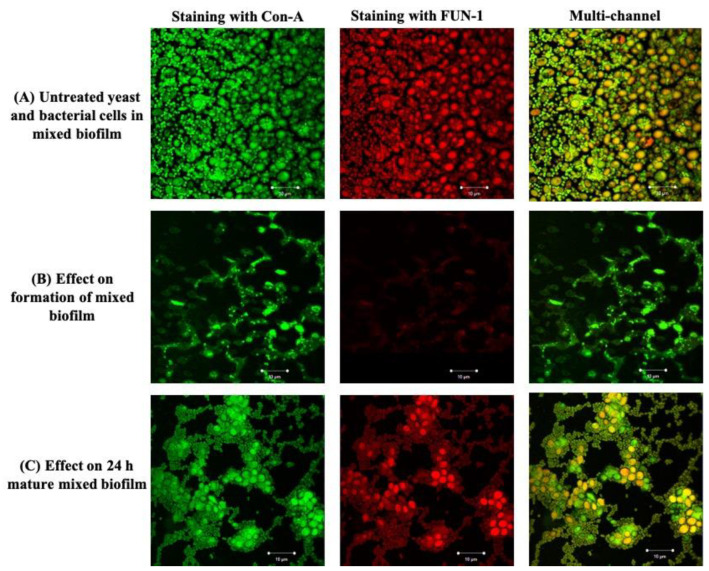
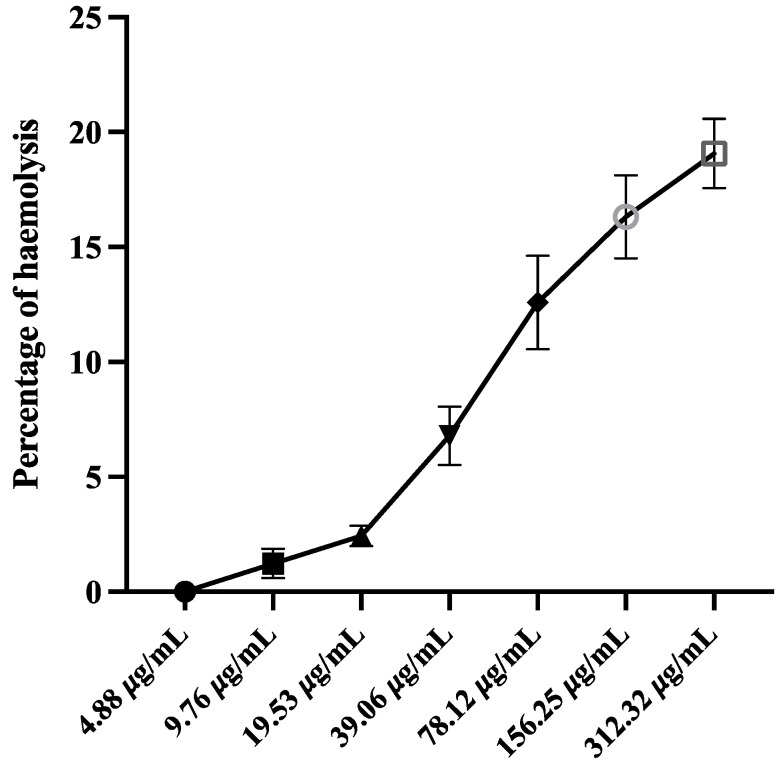
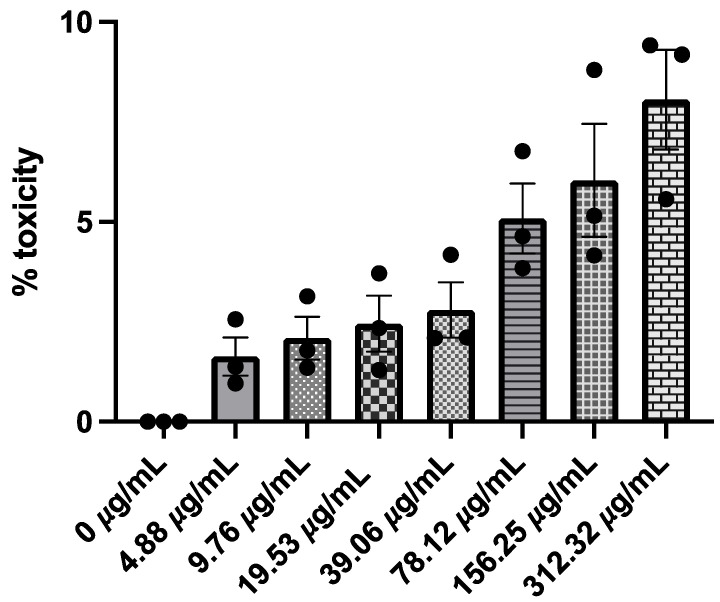
Results: The compound T3 demonstrated potent antimicrobial activity against planktonic cells of C. auris and S. aureus in both single and dual-species cultures. T3 exhibited significant efficacy in reducing microbial viability within biofilms formed by these pathogens. Physicochemical analyses revealed favorable solubility and permeability profiles, supporting its potential for oral bioavailability. Toxicity assessments showed a non-toxic profile, highlighting a promising safety margin for further development.
Conclusions: This study underscores the anti-biofilm properties of novel triazole-piperazine derivatives, particularly T3, against single and dual-species biofilms of C. auris and S. aureus. These findings position T3 as a promising candidate for developing therapies targeting polymicrobial infections and provide a foundation for future research into alternative strategies for combating biofilm-associated infections.
Keywords: biofilms; click chemistry; drug resistance; physicochemical properties; triazole.
Conflict of interest statement
The authors declare no conflicts of interest. The funders had no role in the design of the study; in the collection, analyses, or interpretation of data; in the writing of the manuscript; or in the decision to publish the results.
Figures




References
-
- Welsh R.M., Bentz M.L., Shams A., Houston H., Lyons A., Rose L.J., Litvintseva A.P. Survival, persistence, and isolation of the emerging multidrug-resistant pathogenic yeast Candida auris on a plastic health care surface. J. Clin. Microbiol. 2017;55:2996–3005. doi: 10.1128/JCM.00921-17. - DOI - PMC - PubMed
Grants and funding
LinkOut - more resources
Full Text Sources
