


Thermal Cameras for Continuous and Contactless Respiration Monitoring
- PMID: 39771853
- PMCID: PMC11679429
- DOI: 10.3390/s24248118
Thermal Cameras for Continuous and Contactless Respiration Monitoring
Abstract
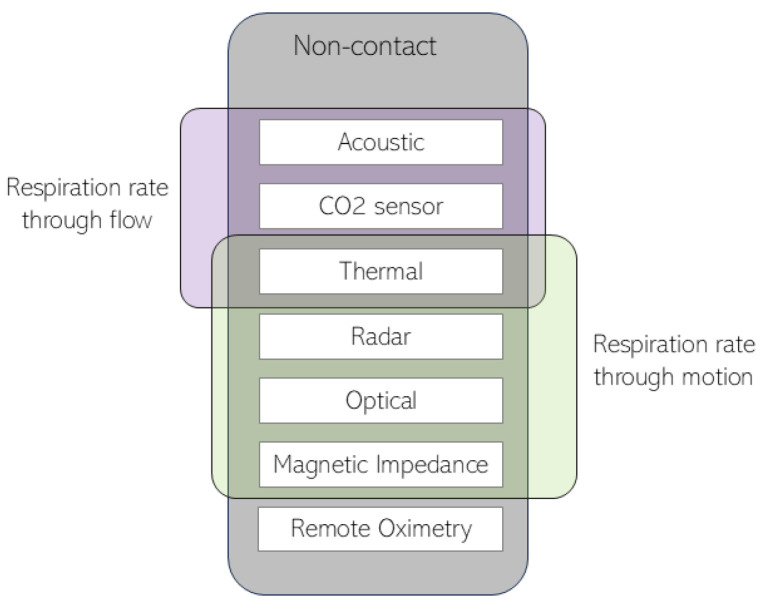
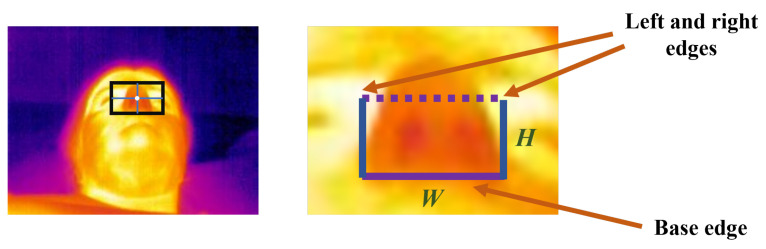
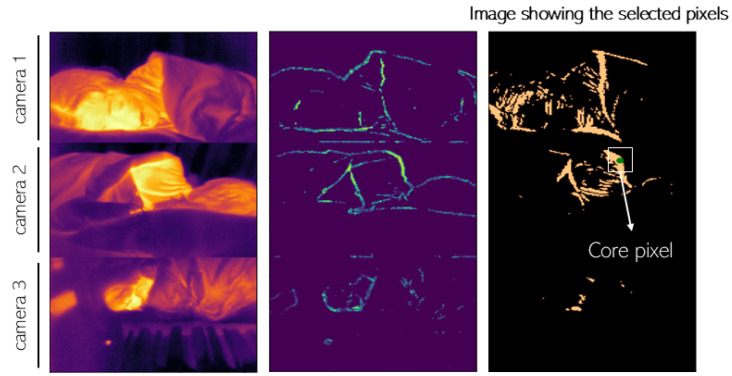
Continuous respiration monitoring is an important tool in assessing the patient's health and diagnosing pulmonary, cardiovascular, and sleep-related breathing disorders. Various techniques and devices, both contact and contactless, can be used to monitor respiration. Each of these techniques can provide different types of information with varying accuracy. Thermal cameras have become a focal point in research due to their contactless nature, affordability, and the type of data they provide, i.e., information on respiration motion and respiration flow. Several studies have demonstrated the feasibility of this technology and developed robust algorithms to extract important information from thermal camera videos. This paper describes the current state-of-the-art in respiration monitoring using thermal cameras, dividing the system into acquiring data, defining and tracking the region of interest, and extracting the breathing signal and respiration rate. The approaches taken to address the various challenges, the limitations of these methods, and possible applications are discussed.
Keywords: remote thermography; respiration monitoring; respiration rate; respiratory flow; thermal cameras.
Conflict of interest statement
The authors declare no conflicts of interest.
Figures

References
-
- Di Fiore J.M. Seminars in Neonatology. Volume 9. Elsevier; Amsterdam, The Netherlands: 2004. Neonatal cardiorespiratory monitoring techniques; pp. 195–203. - PubMed
-
- West J.B. Respiratory Physiology: The Essentials. Lippincott Williams & Wilkins; Philadelphia, PA, USA: 2012.
-
- Cereda M., Neligan P.J. Monitoring in Neurocritical Care. Elsevier; Amsterdam, The Netherlands: 2013. Ventilation and Pulmonary Function; pp. 189–199.
Publication types
MeSH terms
Grants and funding
LinkOut - more resources
Full Text Sources
