


Prevalence and predictors of poor heart failure treatment outcomes in Ethiopia: a systematic review and meta-analysis
- PMID: 39776867
- PMCID: PMC11703969
- DOI: 10.3389/fcvm.2024.1434265
Prevalence and predictors of poor heart failure treatment outcomes in Ethiopia: a systematic review and meta-analysis
Abstract
Background: Heart failure (HF) is a leading cause of morbidity and mortality worldwide. Various factors can exacerbate disease progression in patients with HF and negatively impact treatment outcomes. This study aims to evaluate the pooled prevalence and contributing factors associated with poor heart failure treatment outcomes in Ethiopia.
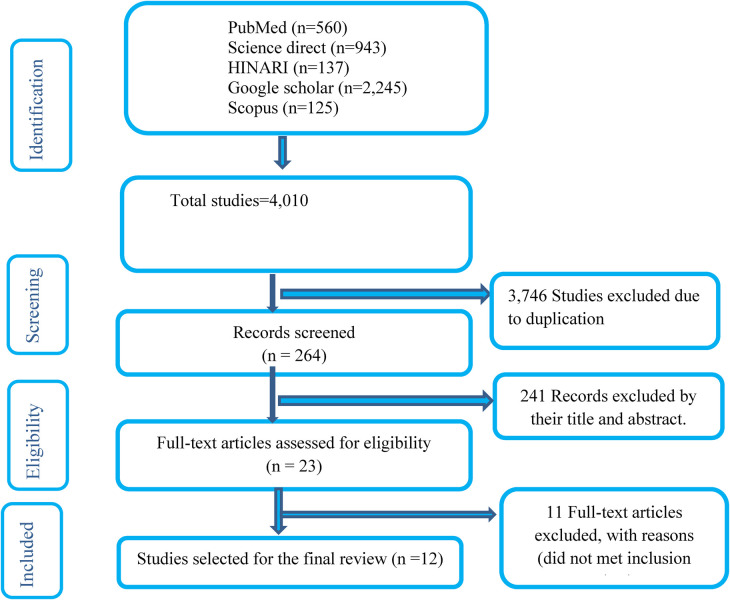
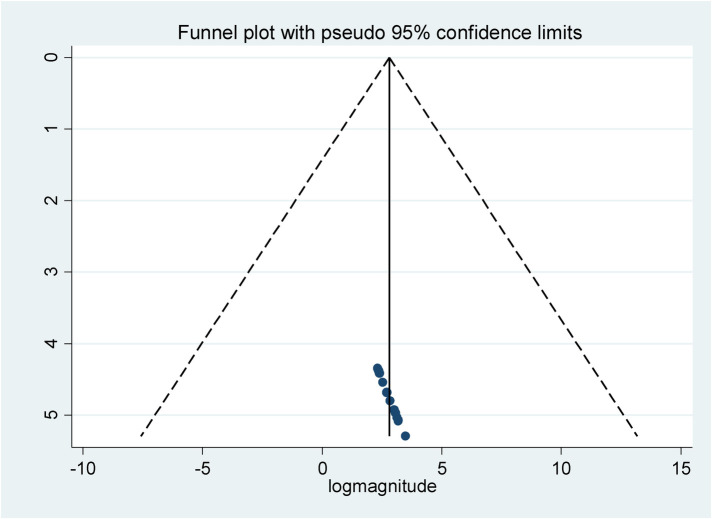
Methods: A systematic review and meta-analysis were conducted using five databases: Google Scholar, ScienceDirect, Hinari, PubMed, and Scopus. In total, 12 studies met the eligibility criteria for inclusion in this analysis. The review followed the Preferred Reporting Items for Systematic Reviews and Meta-Analyses 2020 guidelines. Data extraction was performed using a Microsoft Excel spreadsheet, and statistical analysis was conducted with STATA 14. The Joanna Briggs Institute Meta-analysis of Statistics Assessment and Review Instrument was utilized for quality assessment. Heterogeneity among the studies was evaluated using the I 2 statistic and the Cochrane Q test. Publication bias was assessed using Begg's test, Egger's weighted regression, and funnel plots.
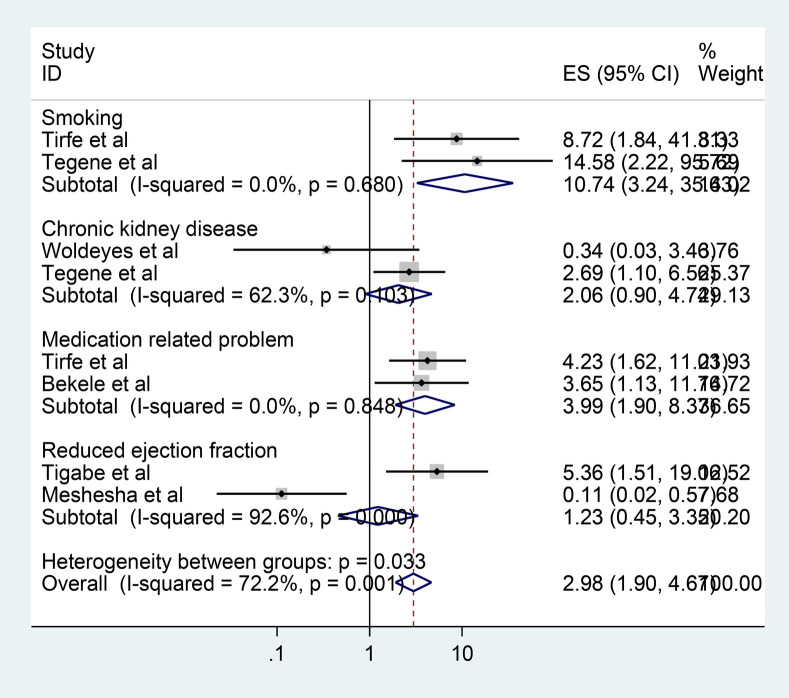
Results: The pooled prevalence of poor HF treatment outcomes was found to be 16.67% [95% confidence interval (CI): 10.67-22.67]. No significant heterogeneity was observed across the included studies (I 2 = 0.0%, p = 0.962). Significant predictors of a poor treatment outcome were smoking cigarettes [adjusted odds ratio (AOR) = 10.74; 95% CI: 3.24-35.63] and medication-related problems (AOR = 3.99; 95% CI: 1.90-8.37).
Conclusion: The prevalence of poor HF treatment outcomes in Ethiopia was found to be high. Smoking cigarettes and medication-related problems are significant predictors of these adverse outcomes. Comprehensive health education and improved clinical pharmacy services are essential for addressing these issues.
Systematic review registration: https://www.crd.york.ac.uk/prospero/display_record.php?ID=CRD42023437397, PROSPERO (CRD42023437397).
Keywords: Ethiopia; associated factors; heart failure; prevalence; treatment outcome.
© 2024 Bekele, Tafese, Fekadu, Dube, Dugassa and Samuel.
Conflict of interest statement
The authors declare that the research was conducted in the absence of any commercial or financial relationships that could be construed as a potential conflict of interest.
Figures

References
-
- Yancy CW, Jessup M, Bozkurt B, Butler J, Casey DE, Drazner MH, et al. 2013 ACCF/AHA guideline for the management of heart failure: a report of the American College of Cardiology Foundation/American Heart Association Task Force on Practice Guidelines. J Am Coll Cardiol. (2013) 62(16):e147–239. 10.1016/j.jacc.2013.05.019 - DOI - PubMed
-
- James SL, Abate D, Abate KH, Abay SM, Abbafati C, Abbasi N, et al. Global, regional, and national incidence, prevalence and years lived with disability for 354 diseases and injuries for 195 countries and territories, 1990 2017: a systematic analysis for the Global Burden of Disease Study 2017. Lancet. (2018) 392(10159):1789–858. 10.1016/S0140-6736(18)32279-7 - DOI - PMC - PubMed
-
- Tukeni KN, Regassa RJ, Abera EG, Geleta MN. The prevalence and correlates of hospital admission of patients with heart failure admitted to Jimma Medical Center, Ethiopia. PAMJ Clinical Medicine. (2023) 12:28. 10.11604/pamjcm.2023.12.28.40297 - DOI
Publication types
LinkOut - more resources
Full Text Sources
Research Materials
Miscellaneous
