


Identification of biomarkers for chronic renal fibrosis and their relationship with immune infiltration and cell death
- PMID: 39780495
- PMCID: PMC11721624
- DOI: 10.1080/0886022X.2024.2449195
Identification of biomarkers for chronic renal fibrosis and their relationship with immune infiltration and cell death
Abstract
Background: Chronic kidney disease (CKD) represents a significant global public health challenge. This study aims to identify biomarkers of renal fibrosis and elucidate the relationship between unilateral ureteral obstruction (UUO), immune infiltration, and cell death.
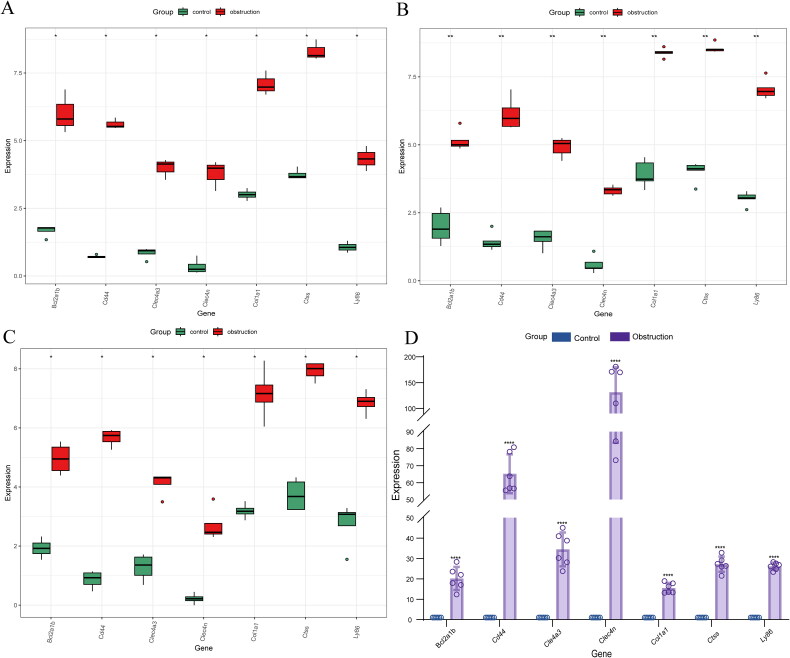
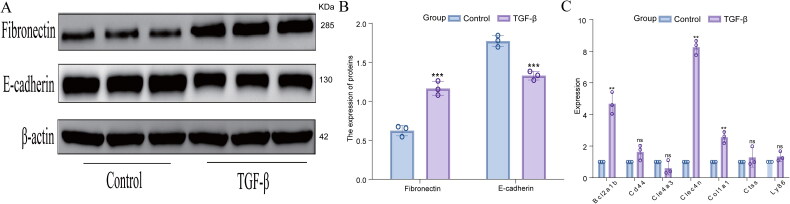
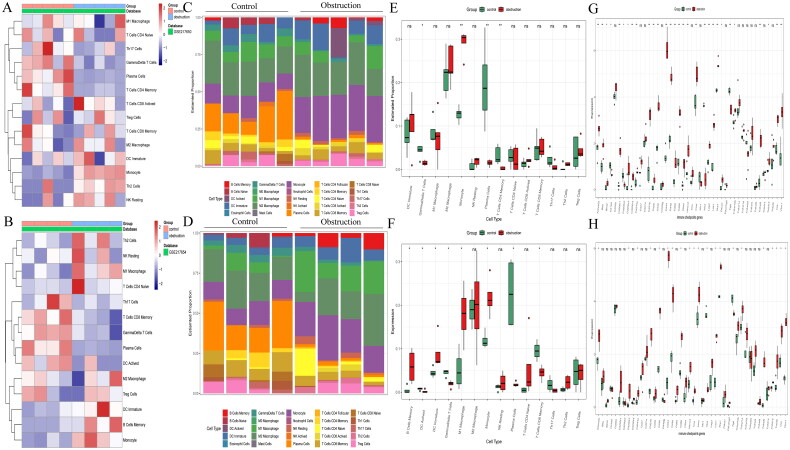
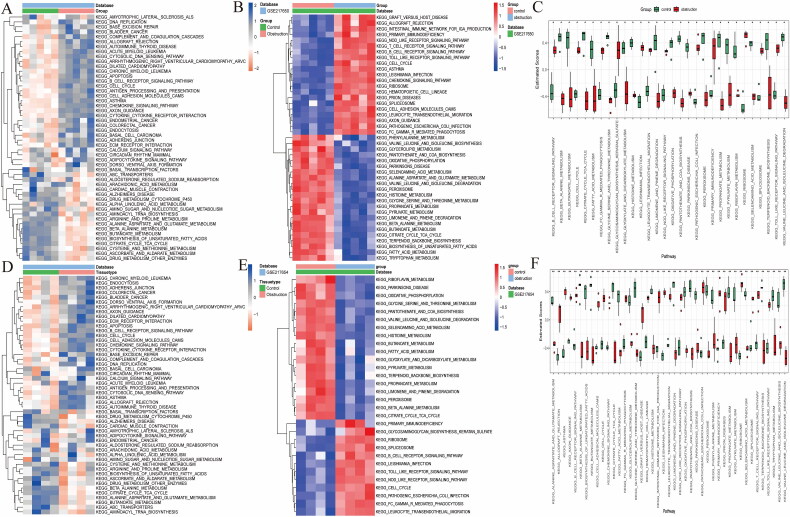
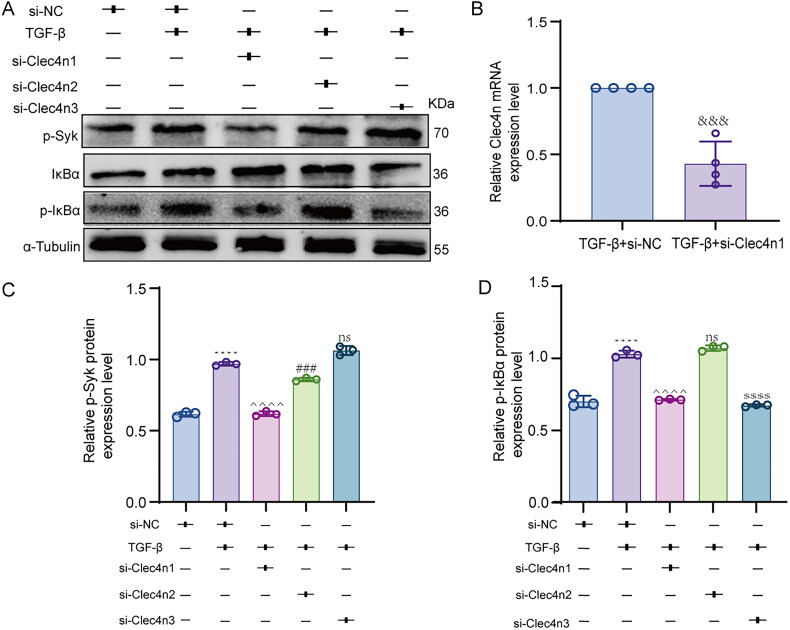
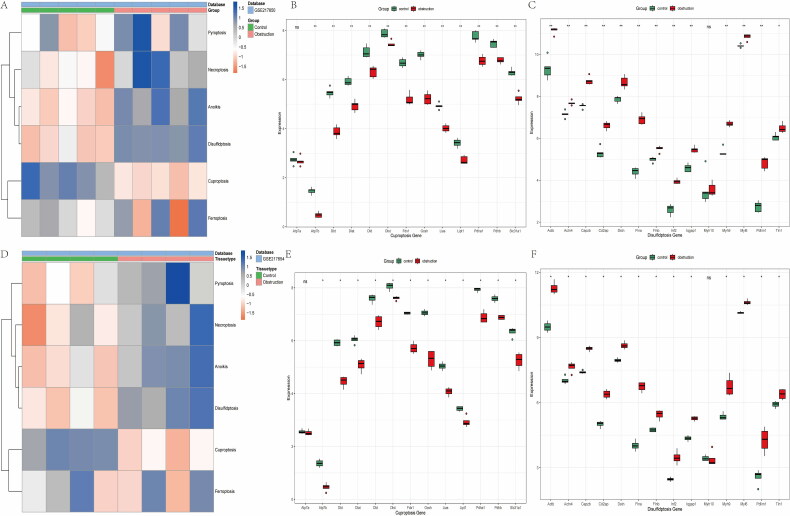
Methods: Gene expression matrices for UUO were retrieved from the gene expression omnibus (GSE36496, GSE79443, GSE217650, and GSE217654). Seven genes identified through Protein-Protein Interaction (PPI) network and Support Vector Machine-Recursive Feature Elimination (SVM-RFE) analysis were validated using qRT-PCR in both in vivo and in vitro UUO experiments. WB assays were employed to investigate the role of Clec4n within NF-κB signaling pathway in renal fibrosis. The composition of immune cells in UUO was assessed using CIBERSORT, and gene set variant analysis (GSVA) was utilized to evaluate prevalent signaling pathways and cell death indices.
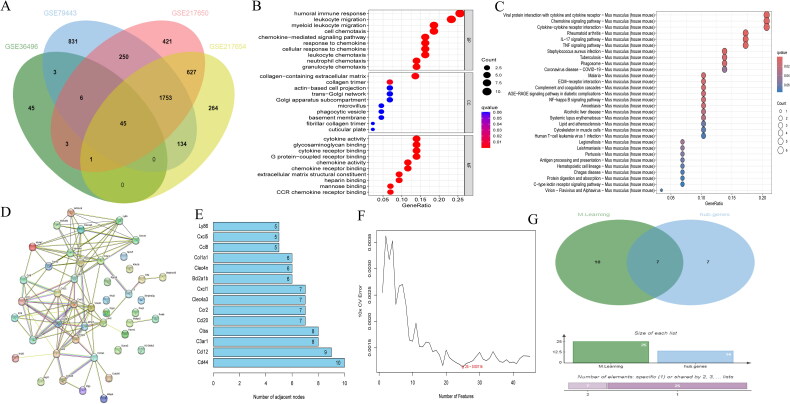
Results: GO and KEGG enrichment analyses revealed numerous inflammation-related pathways significantly enriched in UUO conditions. Bcl2a1b, Clec4n, and Col1a1 were identified as potential diagnostic biomarkers for UUO. Analysis of immune cell infiltration indicated a correlation between UUO and enhanced mast cell activation. Silencing Clec4n expression appeared to mitigate the inflammatory response in renal fibrosis. GSVA results indicated elevated inflammatory pathway scores in UUO, with significant differences in disulfiram and cuproptosis scores compared to those in the normal murine kidney group.
Conclusion: Bcl2a1b, Clec4n, and Col1a1 may serve as biomarkers for diagnosing UUO. UUO development is closely linked to immune cell infiltration, activation of inflammatory pathways, disulfiram, and cuproptosis processes.
Keywords: Chronic kidney fibrosis; bioinformatics; biomarkers; cell death; immune infiltration.
Conflict of interest statement
No potential conflict of interest was reported by the author(s).
Figures
References
-
- Huang J, Liu Y, Shi M, et al. Empagliflozin attenuating renal interstitial fibrosis in diabetic kidney disease by inhibiting lymphangiogenesis and lymphatic endothelial-to-mesenchymal transition via the VEGF-C/VEGFR3 pathway. Biomed Pharmacother. 2024;180:117589. - PubMed
MeSH terms
Substances
LinkOut - more resources
Full Text Sources
Other Literature Sources
Medical
Miscellaneous
