


Genomic insights into the dynamic antibiotic resistance landscape of Vibrio cholerae during the Cholera outbreak 2022 in Odisha, India
- PMID: 39789042
- PMCID: PMC11718308
- DOI: 10.1038/s41598-024-81596-4
Genomic insights into the dynamic antibiotic resistance landscape of Vibrio cholerae during the Cholera outbreak 2022 in Odisha, India
Abstract
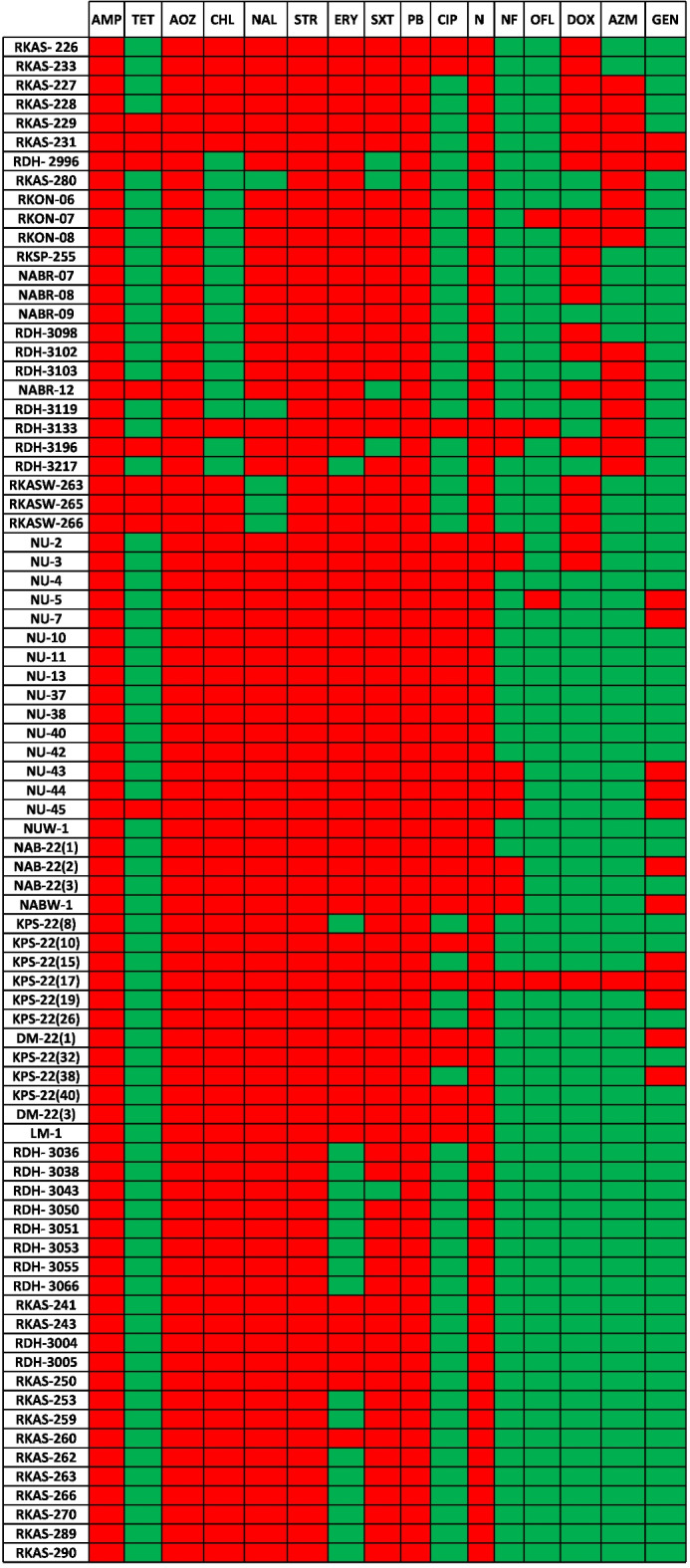
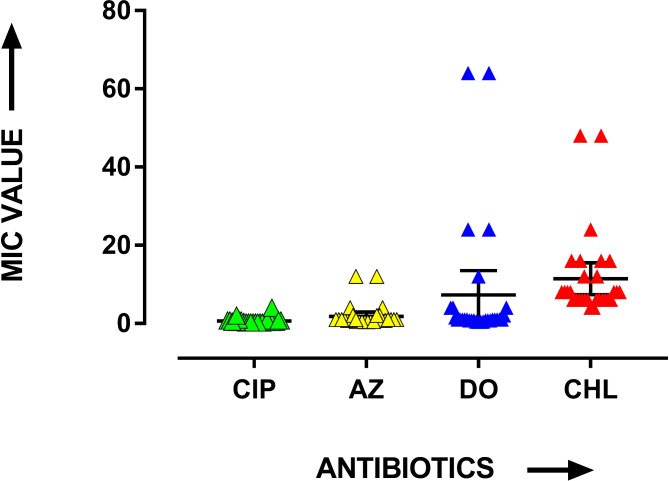
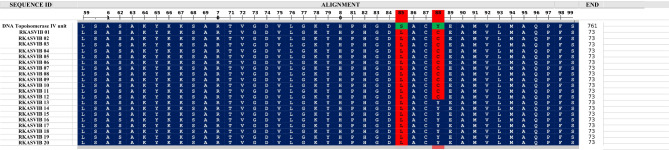
This research delves into the evolving dynamics of antibiogram trends, the diversity of antibiotic resistance genes and antibiotic efficacy against Vibrio cholerae strains that triggered the cholera outbreak 2022 in Odisha, India. The study will provide valuable insights managing antimicrobial resistance during cholera outbreaks. Eighty V. cholerae strains isolated during the outbreak were analysed for genotypic variations in associated drug resistance genes using PCR assays. Antibiogram profiles and MIC gradient analysis were performed according CLSI guidelines to assess antibiotic effectiveness. Substitution of amino acid position in the QRDR Region was examined to understand the development of Fluoroquinolone resistance. Elevated resistances in V. cholerae strains were observed against doxycycline, azithromycin, ciprofloxacin, and chloramphenicol. The average MARI registered 0.63 value, exceeding the threshold value 0.2. PCR assays revealed higher prevalence of antibiotic resistance genes, and MIC values observed have surpassed the previously registered values during any cholera outbreaks in India. Novel mutations in the parC gene, specifically Tyr-88→Cys and Ser-85→Leu implicated Fluoroquinolone resistance in V. cholerae. This study urges moving beyond on antibiotic reliance to control cholera, emphasizing alternative strategies like OCV, rehydration therapy, probiotics and Water, Sanitation and Hygiene (WASH) interventions as effective tools to combat cholera outbreaks and mitigate antibiotic resistance.
Keywords: Vibrio cholerae; Antimicrobial resistance; MIC; Mutation; Outbreak; ParC.
© 2025. The Author(s).
Conflict of interest statement
Declarations. Competing interests: The authors declare no competing interests.
Figures
References
-
- WHO. Ending cholera. A global roadmap to 2030. Accessed: (2017). http://www.who.int/cholera/publications/global-roadmap/en/
-
- Pal, B. B., Khuntia, H. K., Samal, S. K., Kar, S. K. & Patnaik, B. Epidemics of severe cholera caused by El Tor Vibrio cholerae O1 Ogawa possessing the ctxB gene of the classical biotype in Orissa, India. Int. J. Infect. Dis. 14(5), e384–e389. 10.1016/j.ijid.2009.06.020 (2010). - PubMed
MeSH terms
Substances
LinkOut - more resources
Full Text Sources
Medical
