


Creatine Supplementation Beyond Athletics: Benefits of Different Types of Creatine for Women, Vegans, and Clinical Populations-A Narrative Review
- PMID: 39796530
- PMCID: PMC11723027
- DOI: 10.3390/nu17010095
Creatine Supplementation Beyond Athletics: Benefits of Different Types of Creatine for Women, Vegans, and Clinical Populations-A Narrative Review
Abstract
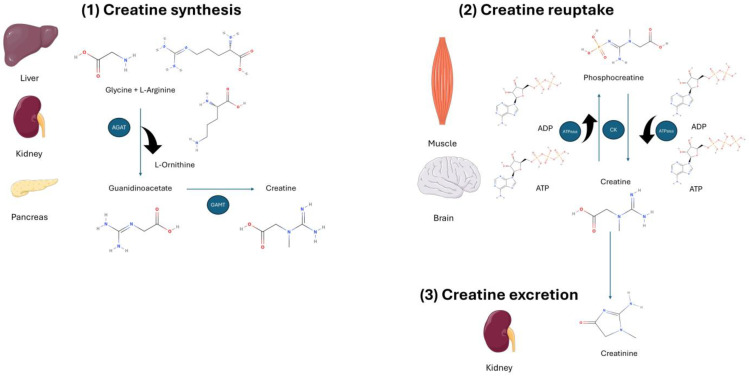
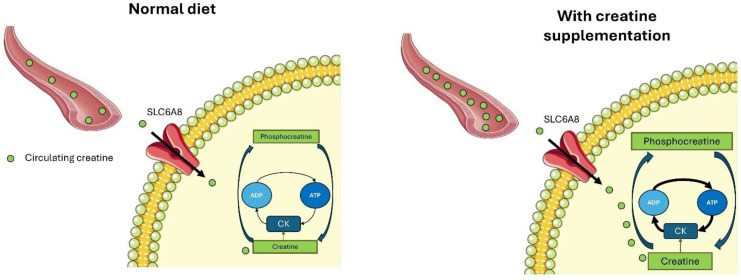
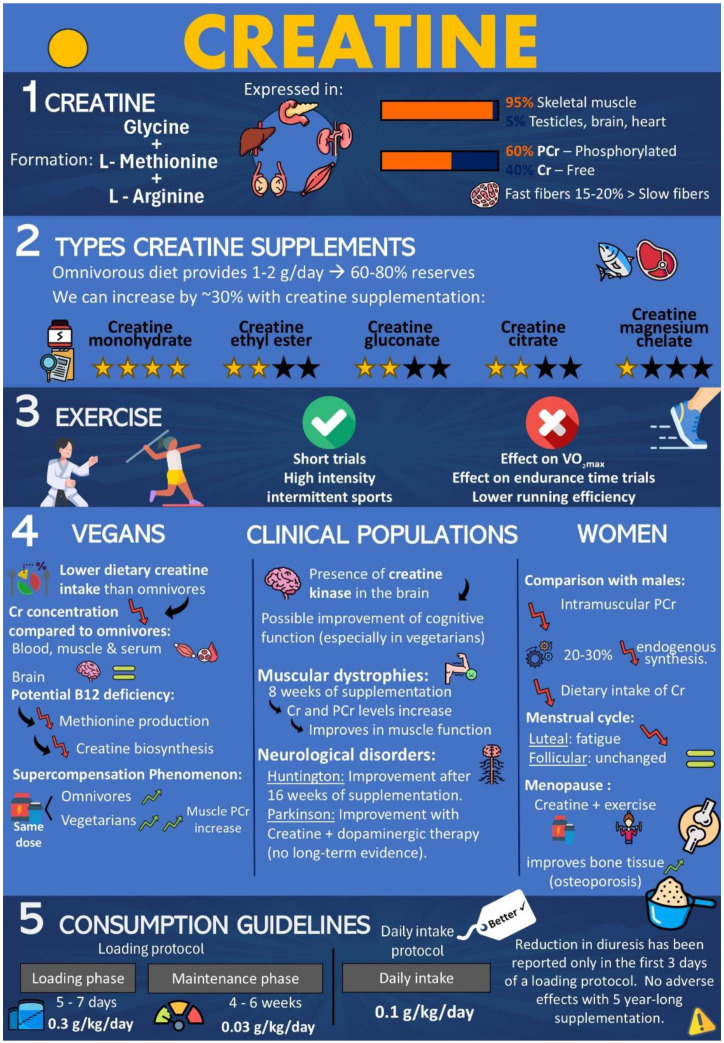
Creatine monohydrate supplementation is widely used by athletes in high-intensity, power-based sports due to its ability to enhance short-term performance by increasing intramuscular phosphocreatine (PCr) stores, which aid in ATP resynthesis during intense muscle contractions. However, emerging evidence suggests that creatine monohydrate offers benefits beyond athletic performance. This narrative review explores the literature supporting the advantages of creatine supplementation in women, vegans, and clinical populations. In women, who typically have lower baseline intramuscular creatine levels, supplementation may help alleviate fatigue-related symptoms associated with the menstrual cycle, particularly during the early follicular and luteal phases. For vegans and vegetarians, who often have reduced creatine stores due to the absence of creatine-rich animal products in their diet, supplementation can improve both physical and cognitive performance while supporting adherence to plant-based diets. Additionally, creatine supplementation holds potential for various clinical populations. It may mitigate muscle wasting in conditions such as sarcopenia and cachexia, support neuroprotection in neurodegenerative diseases such as Parkinson's and Huntington's, improve exercise capacity in cardiovascular diseases, and enhance energy metabolism in chronic fatigue syndrome. Creatine may also aid recovery from traumatic brain injury by promoting brain energy metabolism and reducing neuronal damage. In conclusion, creatine monohydrate supplementation can enhance physical performance, cognitive function, and overall health in women, vegans, and clinical populations by addressing creatine deficiencies, improving energy metabolism, and supporting recovery from physical and neurological challenges. Most available evidence supports the effectiveness of creatine monohydrate, which should be considered the preferred form of creatine supplementation over other variants. Additionally, proper creatine dosing is essential to maximize benefits and minimize potential adverse effects that may arise from chronic ingestion of excessively high doses.
Keywords: creatine kinase; dietary supplementation; energy metabolism; exercise performance; plant-based diets.
Conflict of interest statement
The authors declare no conflicts of interest.
Figures
References
Publication types
MeSH terms
Substances
LinkOut - more resources
Full Text Sources
Medical
