


Young Adults with Type 1 Diabetes' Clinical Outcomes and Satisfaction Related to the Use of Videoconferencing for Type 1 Diabetes Healthcare: A Narrative Review
- PMID: 39799521
- PMCID: PMC11868000
- DOI: 10.1007/s13300-024-01688-2
Young Adults with Type 1 Diabetes' Clinical Outcomes and Satisfaction Related to the Use of Videoconferencing for Type 1 Diabetes Healthcare: A Narrative Review
Abstract
Introduction: Young adulthood is well documented as being a particularly challenging area of type 1 diabetes (T1D) healthcare. Many young adults with T1D (YAT1D) are distracted from effective disease self-management; T1D healthcare service engagement can be problematic and inconsistent, and high rates of unplanned healthcare contacts prevail. Video conferencing use can facilitate services to be flexible and responsive. We aimed to evaluate clinical outcomes and satisfaction related to the use of videoconferencing for T1D healthcare in YAT1D.
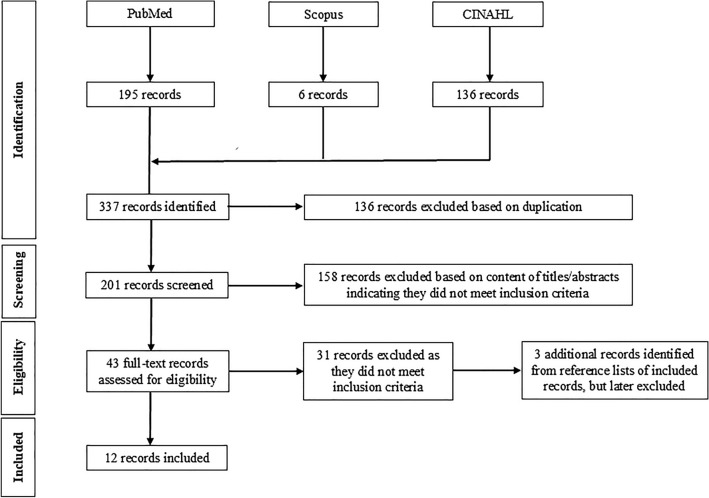
Methods: A quantitative narrative review was undertaken, using a systematic process. PubMed, Scopus and CINAHL were searched (until August 2023) to identify relevant articles, using Medical Subject Headings and keywords. A total of 12 records (eight studies) from four countries were retrieved.
Results: Ten records considered clinical outcomes; eight of these records focused on the effectiveness of videoconferencing as part of routine care. Findings largely demonstrate benefits to glycaemic control, particularly when used during the COVID-19 pandemic; no data were available relating to the impact of videoconferencing use on blood pressure and lipid control in YAT1D. Four records considered satisfaction with use of videoconferencing, with data indicating YAT1D were satisfied with the use of videoconferencing technology.
Conclusions: There is a need to configure T1D healthcare services to incorporate and offer use of videoconferencing technology, where applicable, appropriate and acceptable for YAT1D, and feasible and workable for service providers. This will require some adjustments from healthcare systems and possible changes to funding mechanisms.
Keywords: Telemedicine; Type 1 diabetes; Videoconferencing; Virtual; Young adult.
© 2025. The Author(s).
Conflict of interest statement
Declarations. Conflicts of Interest: Steven James, Mahira Saiyed, Olve James, Rutul Gokalani, Megan Paterson, Kiran Mejia Mehta, Emma Klatman, and Judy Craft have nothing to disclose. Roopa Mehta is an Editorial Board member of Diabetes Therapy. Roopa Mehta was not involved in the selection of peer reviewers for the manuscript nor any of the subsequent editorial decisions. Ethical Approval: This article is based on previously conducted studies and does not contain any new studies with human participants or animals performed by any of the authors.
References
-
- Type 1 diabetes Index Group. About the T1D index; 2024. https://www.t1dindex.org/about/. Accessed 18 Nov 2024.
-
- International Diabetes Federation. IDF diabetes atlas, 10th edn. International Diabetes Federation, Brussels; 2021. https://diabetesatlas.org/. Accessed 24 Dec 2023.
-
- Arnett J. Emerging adulthood: the winding road from the late teens through the twenties. New York: Oxford University Press; 2004.
-
- James S, Perry L, Gallagher R, Lowe J. A discussion of healthcare support for adolescents and young adults with long-term conditions: current policy and practice and future opportunities. Int J Nursing Pract. 2020;26(5):12882. 10.1111/ijn.12882. - PubMed
Publication types
LinkOut - more resources
Full Text Sources
