


Rural Roads to cognitive Resilience (RRR): A prospective cohort study protocol
- PMID: 39804889
- PMCID: PMC11729925
- DOI: 10.1371/journal.pone.0312660
Rural Roads to cognitive Resilience (RRR): A prospective cohort study protocol
Abstract
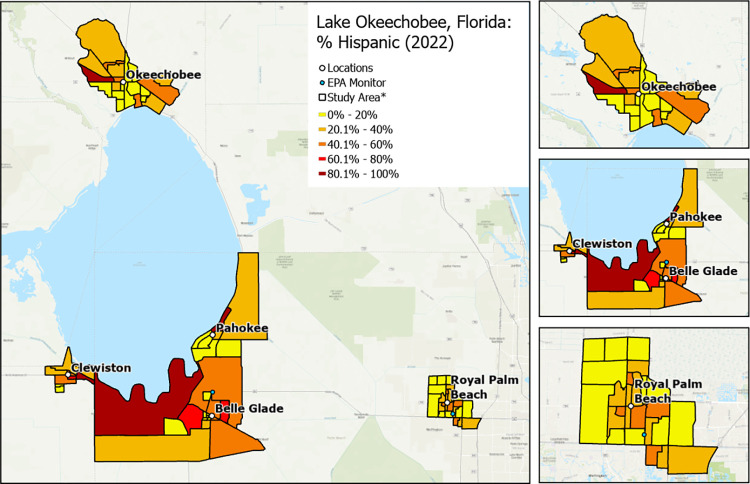
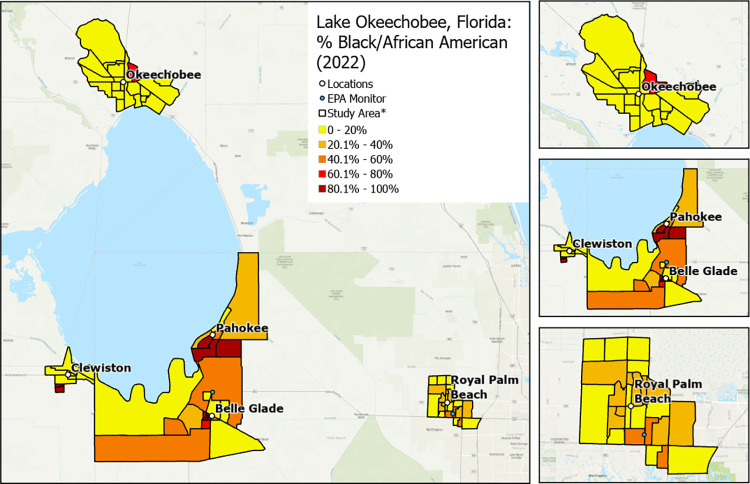
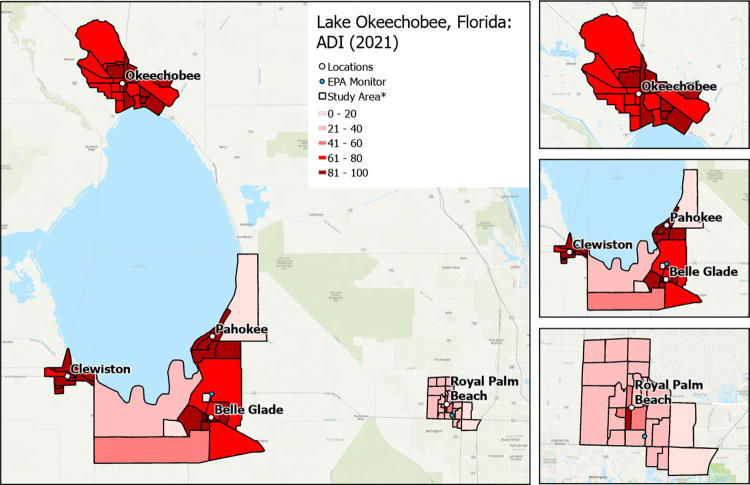
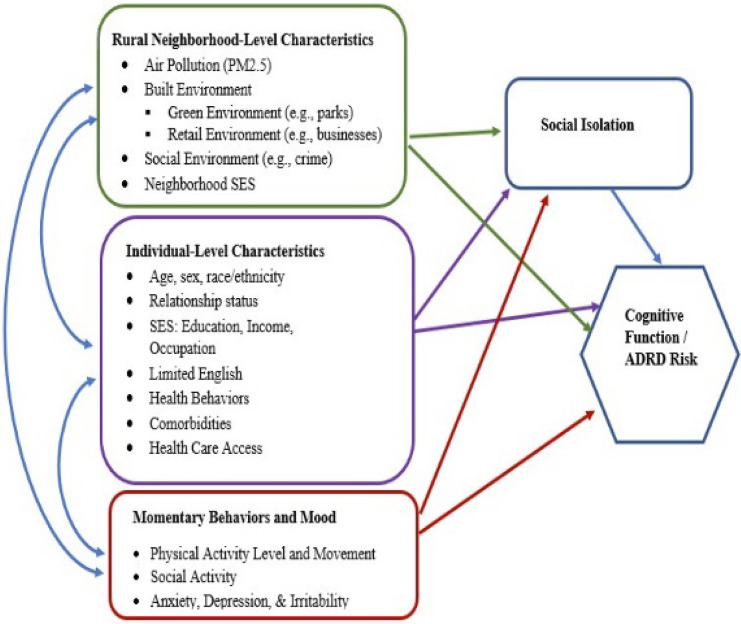
Background: Ambient air pollution, detrimental built and social environments, social isolation (SI), low socioeconomic status (SES), and rural (versus urban) residence have been associated with cognitive decline and risk of Alzheimer's disease and related dementias (ADRD). Research is needed to investigate the influence of ambient air pollution and built and social environments on SI and cognitive decline among rural, disadvantaged, ethnic minority communities. To address this gap, this cohort study will recruit an ethnoracially diverse, rural Florida sample in geographic proximity to seasonal agricultural burning. We will (1) examine contributions of smoke-related fine particulate matter (PM2.5) exposures to SI and cognitive function; (2) determine effects of built and social environments on SI and cognitive function; and (3) contextualize SI and cognitive function among residents from different ethnoracial groups during burn and non-burn seasons.
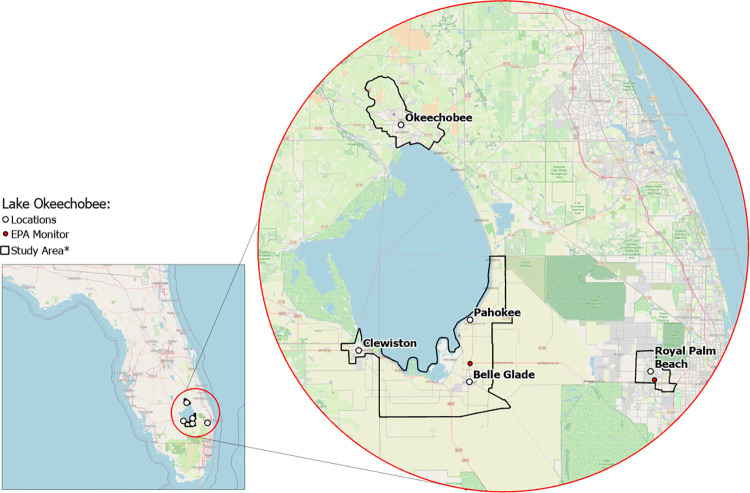
Methods: We will recruit 1,087 community-dwelling, dementia-free, ≥45-year-olds from five communities in Florida's Lake Okeechobee region. Over 36 months, participants will complete baseline visits to collect demographics, health history, and health measurements (e.g., blood pressure, body mass index) and 6-month follow-ups assessing cognitive function and social isolation at each visit. A subsample of 120 participants representative of each community will wear smartwatches to collect sensor data (e.g., heart rate) and daily routine and predefined activities (e.g., GPS-captured travel, frequent destinations) over two months. Ecological momentary assessments (EMA) (e.g., whether smoke has bothered participant in last 30 minutes) will occur over two months during agricultural burning and non-burning months. PurpleAir monitors (36 total) will be installed in each community to continuously monitor outdoor PM2.5 levels.
Discussion: We expect to identify individual- and community-level factors that increase the risk for SI and cognitive decline in a vulnerable rural population.
Copyright: © 2025 Besser et al. This is an open access article distributed under the terms of the Creative Commons Attribution License, which permits unrestricted use, distribution, and reproduction in any medium, provided the original author and source are credited.
Conflict of interest statement
The authors have declared that no competing interests exist.
Figures
Update of
-
Rural Roads to Cognitive Resilience (RRR): A prospective cohort study protocol.medRxiv [Preprint]. 2024 Oct 14:2024.10.13.24315411. doi: 10.1101/2024.10.13.24315411. medRxiv. 2024. Update in: PLoS One. 2025 Jan 13;20(1):e0312660. doi: 10.1371/journal.pone.0312660. PMID: 39484275 Free PMC article. Updated. Preprint.
References
-
- McKhann GM, Knopman DS, Chertkow H, Hyman BT, Jack CR Jr., Kawas CH, et al.. The diagnosis of dementia due to Alzheimer’s disease: recommendations from the National Institute on Aging-Alzheimer’s Association workgroups on diagnostic guidelines for Alzheimer’s disease. Alzheimers Dement. 2011;7(3):263–9. doi: 10.1016/j.jalz.2011.03.005 - DOI - PMC - PubMed
-
- Alzheimer’s Association. What is Dementia? N.D. Available from: https://www.alz.org/alzheimers-dementia/what-is-dementia?utm_source=goog....
-
- Alzheimer’s Association. 2023 Alzheimer’s Disease Facts and Figures. 2023. Available from: https://www.alz.org/media/documents/alzheimers-facts-and-figures.pdf. doi: 10.1002/alz.13016 - DOI - PubMed
MeSH terms
Substances
Grants and funding
LinkOut - more resources
Full Text Sources
Medical
Research Materials
Miscellaneous
