


Employment of people with Down syndrome: A scoping review
- PMID: 39816059
- PMCID: PMC11731665
- DOI: 10.52225/narra.v4i3.1431
Employment of people with Down syndrome: A scoping review
Abstract
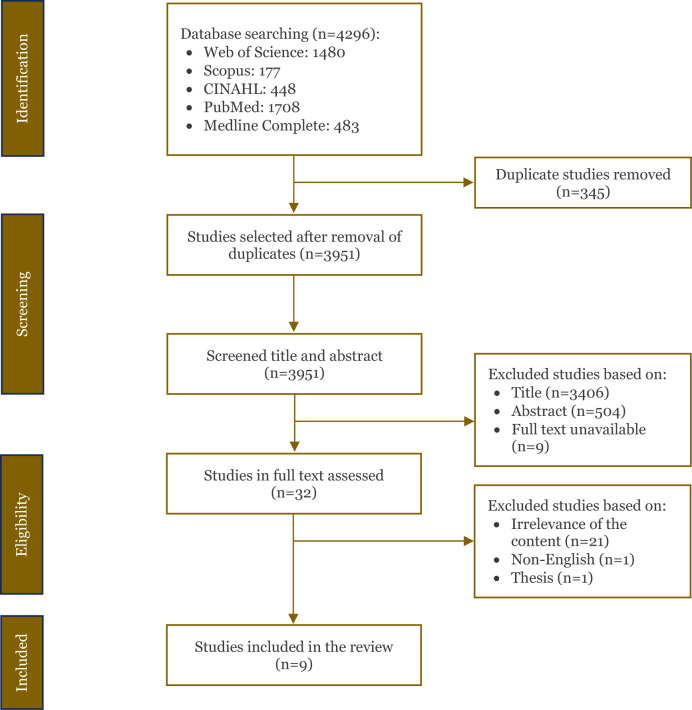
Down syndrome is the most prevalent genetic condition contributing to intellectual disability. Advancements in medical care have significantly increased the life expectancy of people with this condition, making employment a vital component for independent living and quality of life. The aim of this study was to examine the current literature on the employability and employment experiences of individuals with Down syndrome, focusing on the evolution of the employment rate and factors influencing employment such as cognitive and personal factors, societal attitudes, challenges, and effective support systems. Using Arksey and O'Malley's methodology, a scoping review of relevant qualitative and quantitative articles from PubMed, Scopus, Web of Science (WoS), CINAHL, and Medline was conducted. The search focused on the keywords found in the title and abstract of articles from 1980 to 2023. The search strategy utilized medical subject headings (MeSH), including "work", "Down syndrome", and "employment". All articles employing qualitative, quantitative, and mixed methods that were published in English were included. Of an initial 4,296 articles, 32 full-text articles were evaluated, and nine met the inclusion criteria. The data indicated improved employment rates for people with Down syndrome, with a recent employment rate of 53%. However, jobs are often limited to sectors like food service and are underutilizing their skills. Key factors associated with employment status include cognitive abilities, family support, and social attitudes. Despite positive perceptions, significant barriers such as systemic bias persist. Effective support systems are crucial but are often hindered by limited opportunities. In conclusion, employment opportunities for people with Down syndrome have improved, but challenges such as limited job diversity and systemic barriers remain. Comprehensive policies are recommended to promote inclusive employment practices and tailored support systems.
Keywords: Down syndrome; barrier; employment; opportunity; type of work.
© 2024 The Author(s).
Conflict of interest statement
The authors affirm that they have no financial or personal conflicts of interest related to any of the scientific papers cited in this article, ensuring that the integrity of the research remains unaffected.
Figures
References
-
- United Nations. World Down syndrome day. Available from: https://www.un.org/en/observances/down-syndrome-day. Accessed: 8 March 2024
-
- Kurtovic-Kozaric A, Mehinovic L, Malesevic R, et al. Ten-year trends in prevalence of Down syndrome in a developing country: Impact of the maternal age and prenatal screening. Eur J Obstet Gynecol Reprod Biol 2016;206:79–83. - PubMed
-
- Adiyaman D, Atakul BK, Kuyucu M, et al. Termination of pregnancy following a Down Syndrome diagnosis: Decision- making process and influential factors in a Muslim but secular country, Turkey. J Perinat Med 2020;49(2):170–177. - PubMed
Publication types
MeSH terms
LinkOut - more resources
Full Text Sources
Medical
Miscellaneous