


The associations of long-term physical activity in adulthood with later biological ageing and all-cause mortality - a prospective twin study
- PMID: 39821867
- PMCID: PMC11799114
- DOI: 10.1007/s10654-024-01200-x
The associations of long-term physical activity in adulthood with later biological ageing and all-cause mortality - a prospective twin study
Abstract
Objectives: The association between leisure-time physical activity (LTPA) and a lower risk of mortality is susceptible to bias from multiple sources. We investigated the potential of biological ageing to mediate the association between long-term LTPA and mortality and whether the methods used to account for reverse causality affect the interpretation of this association.
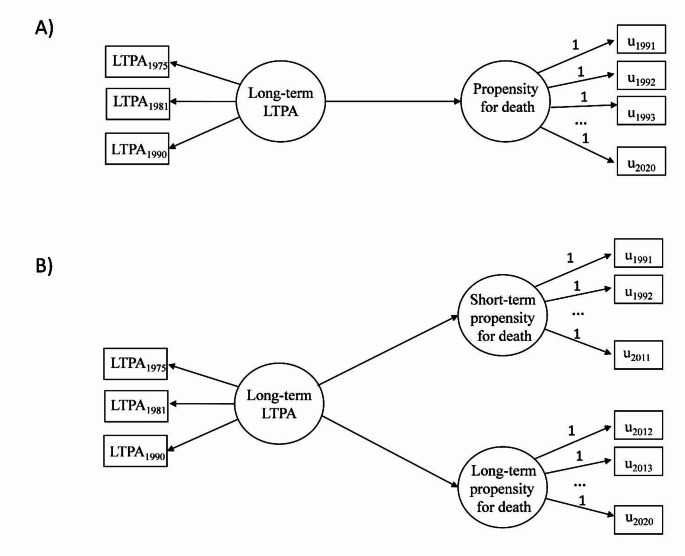
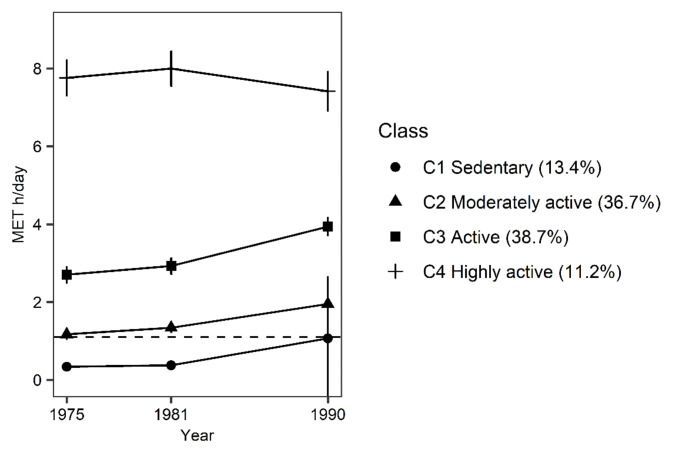
Methods: Study participants were twins from the older Finnish Twin Cohort (n = 22,750; 18-50 years at baseline). LTPA was assessed using questionnaires in 1975, 1981 and 1990. The mortality follow-up lasted until 2020 and biological ageing was assessed using epigenetic clocks in a subsample (n = 1,153) with blood samples taken during the follow-up. Using latent profile analysis, we identified classes with distinct longitudinal LTPA patterns and studied differences in biological ageing between these classes. We employed survival models to examine differences in total, short-term and long-term all-cause mortality, and multilevel models for twin data to control for familial factors.
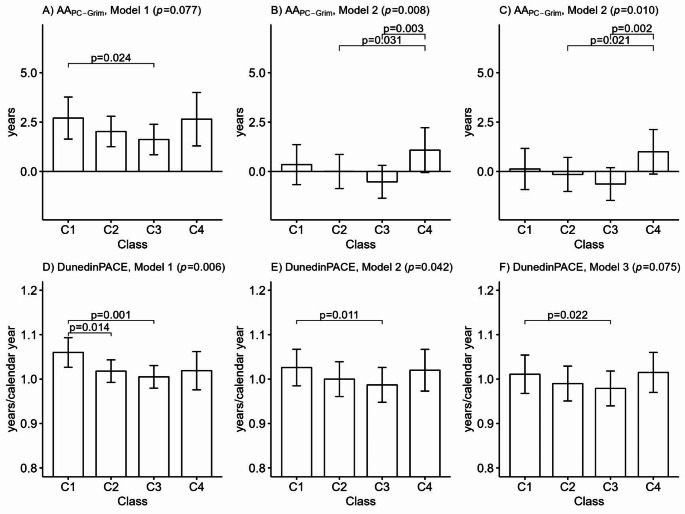
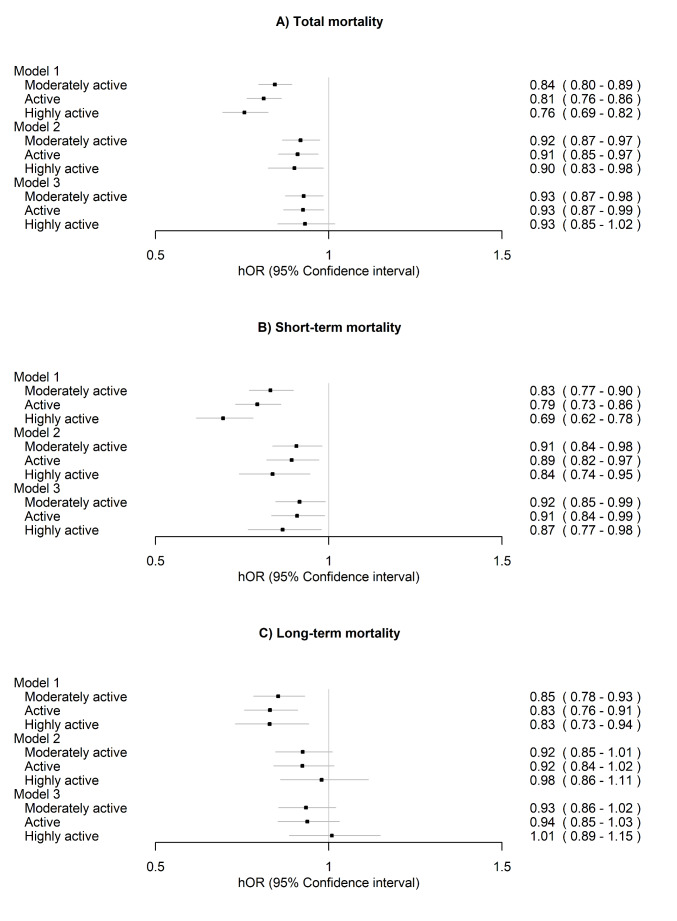
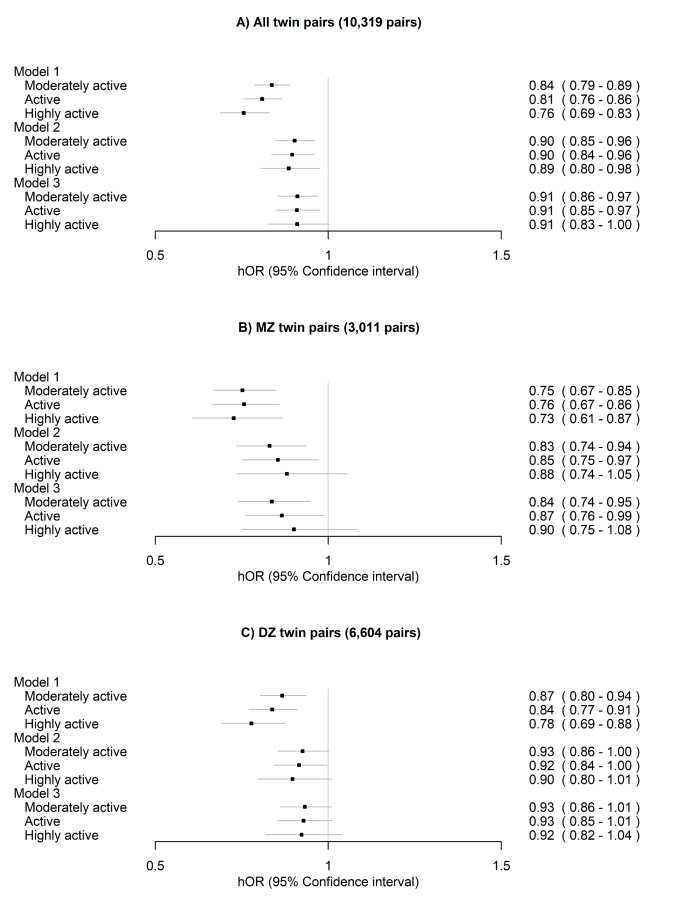
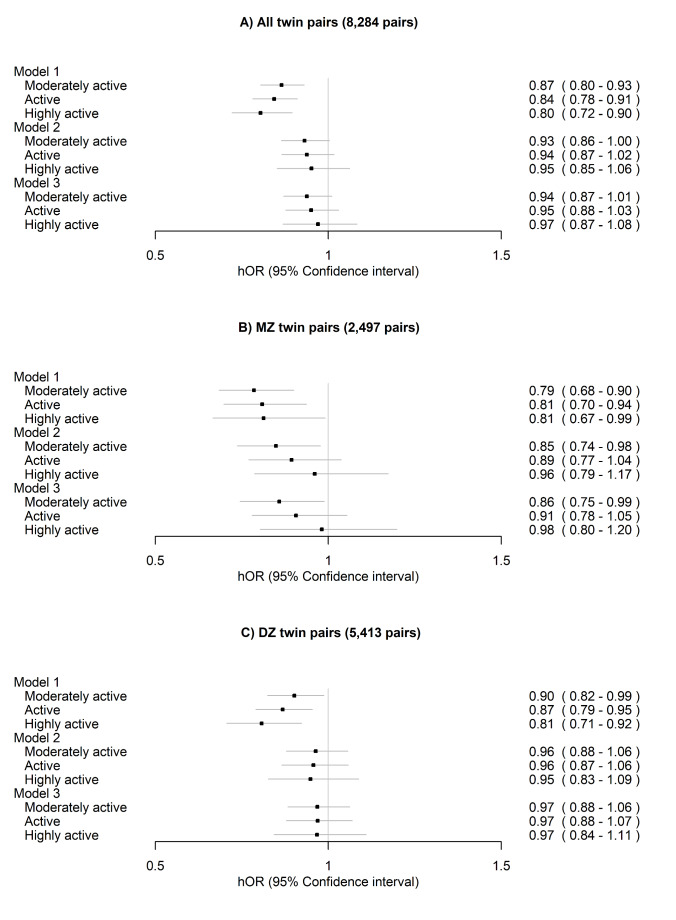
Results: We identified four classes of long-term LTPA: sedentary, moderately active, active and highly active. Although biological ageing was accelerated in sedentary and highly active classes, after adjusting for other lifestyle-related factors, the associations mainly attenuated. Physically active classes had a maximum 7% lower risk of total mortality over the sedentary class, but this association was consistent only in the short term. After accounting for familial factors and excluding participants reporting prevalent cardiovascular diseases, LTPA exhibited less favourable associations with mortality.
Conclusion: The association between LTPA and lower all-cause mortality may be largely due to genetic confounding and reverse causality.
Keywords: Biological age; DNA methylation; Lifespan; Mortality; Physical activity.
© 2024. The Author(s).
Conflict of interest statement
Declarations. Ethical approval: Data collection was conducted in accordance with the Declaration of Helsinki. The ethics committees of the University of Helsinki and Helsinki University Central Hospital approved the study protocol (113/E3/2001 and 346/E0/05). Consent to participate: Blood samples for DNA analyses were collected during in-person clinical studies after written informed consent was signed. Data sharing: A subsample of the FTC with DNA methylation age estimates, phenotypes and information on the classes of long-term LTPA will be located in the Biobank of the National Institute for Health and Welfare. All these data will be publicly available for use by qualified researchers following a standardised application procedure (for details on the application process, see the following website: https://thl.fi/en/web/thl-biobank/for-researchers ). Because of the consent given by the study participants and the high degree of identifiability of the twin siblings in Finland, the full cohort data cannot be made publicly available. However, the full cohort data are available through the Institute for Molecular Medicine Finland (FIMM) Data Access Committee (DAC) for authorised researchers with an IRB/ethics approval and an institutionally approved study plan. For more details, please contact the FIMM DAC (fimm-dac@ helsinki.fi). Competing interests: The authors declare no conflicts of interest.
Figures
Update of
-
The associations of long-term physical activity in adulthood with later biological ageing and all-cause mortality - a prospective twin study.medRxiv [Preprint]. 2023 Jun 5:2023.06.02.23290916. doi: 10.1101/2023.06.02.23290916. medRxiv. 2023. Update in: Eur J Epidemiol. 2025 Jan;40(1):107-122. doi: 10.1007/s10654-024-01200-x. PMID: 37333101 Free PMC article. Updated. Preprint.
References
Publication types
MeSH terms
Grants and funding
LinkOut - more resources
Full Text Sources
Medical
