


Sequential Therapy of Linezolid and Contezolid to Treat Hematogenous Lung Abscess Caused by Staphylococcus aureus in a Congenital Cerebral Hypoplasia Patient: A Case Report
- PMID: 39830034
- PMCID: PMC11740585
- DOI: 10.2147/IDR.S502839
Sequential Therapy of Linezolid and Contezolid to Treat Hematogenous Lung Abscess Caused by Staphylococcus aureus in a Congenital Cerebral Hypoplasia Patient: A Case Report
Abstract
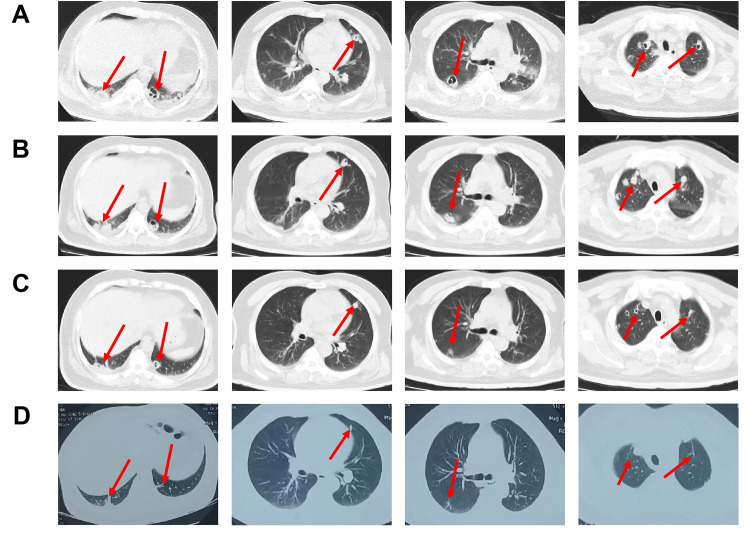
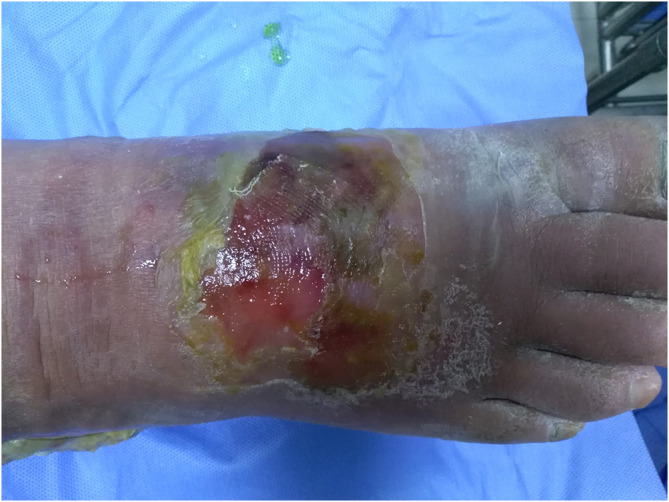
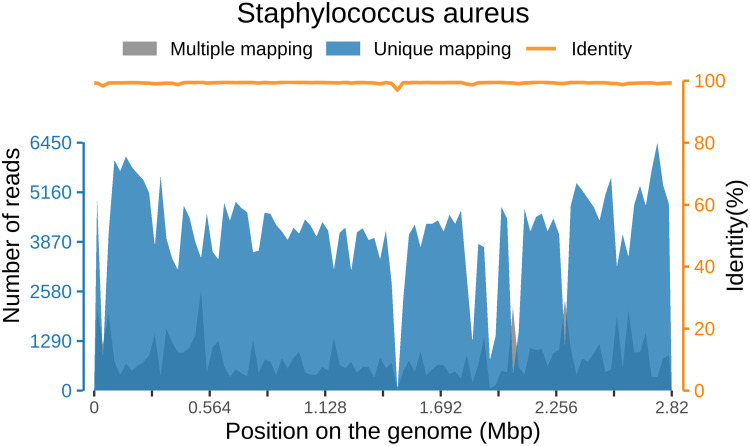
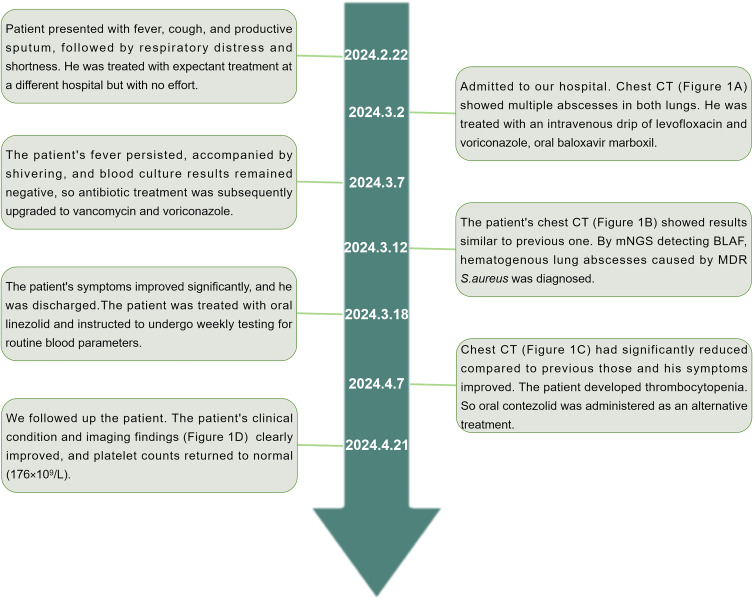
Staphylococcus aureus is a common pathogen of hematogenous lung abscesses. The increased resistance of S. aureus to antibiotics makes infections difficult to treat, often resulting in a poor prognosis. Therefore, it is important to identify S. aureus infections as early as possible and evaluate its sensitivity and resistance to antibiotics, to formulate an appropriate treatment plan. Oxazolidinone antibiotics exhibit potent antibacterial activity against multidrug-resistant (MDR) S. aureus; however, the adverse effects of linezolid, particularly thrombocytopenia, limit its application. Contezolid may ameliorate the hematologic toxicity associated with linezolid. Here, we report the case of a patient with congenital cerebral hypoplasia who was hospitalized due to fever and multiple abscesses in both lungs. In the context of negative blood culture results, the final diagnosis of MDR S. aureus as the causative agent of hematogenous lung abscess was confirmed using macrogenomic next-generation sequencing (mNGS) and targeted next-generation sequencing (tNGS). The patient was treated with linezolid but developed significant thrombocytopenia, so switching to sequential therapy with contezolid, the patient's platelet counts returned to normal and his condition improved significantly.
Keywords: Staphylococcus aureus; congenital cerebral hypoplasia; contezolid; hematogenous lung abscess; linezolid; next-generation sequencing.
© 2025 Zhou et al.
Conflict of interest statement
The authors declare that the research was conducted in the absence of any commercial or financial relationships that could be construed as a potential conflict of interest.
Figures
References
Publication types
LinkOut - more resources
Full Text Sources
