


Impact of lifestyle interventions on reproductive and psychological outcomes in women with polycystic ovary syndrome: A systematic review
- PMID: 39833063
- PMCID: PMC11749783
- DOI: 10.1097/MD.0000000000041178
Impact of lifestyle interventions on reproductive and psychological outcomes in women with polycystic ovary syndrome: A systematic review
Abstract
Background: Polycystic ovary syndrome (PCOS) is a complex endocrine disorder affecting ≈8% to 13% of women of reproductive age. PCOS has multifaceted effects that extend beyond reproductive health. Women with PCOS are at an elevated risk for various metabolic conditions, including obesity, type 2 diabetes, and cardiovascular disease, as well as psychological challenges, such as anxiety, depression, and reduced quality of life. This systematic review examined the effectiveness of lifestyle interventions, including dietary, exercise, and behavioral modifications, in improving reproductive outcomes, mental well-being, and quality of life in women with PCOS.
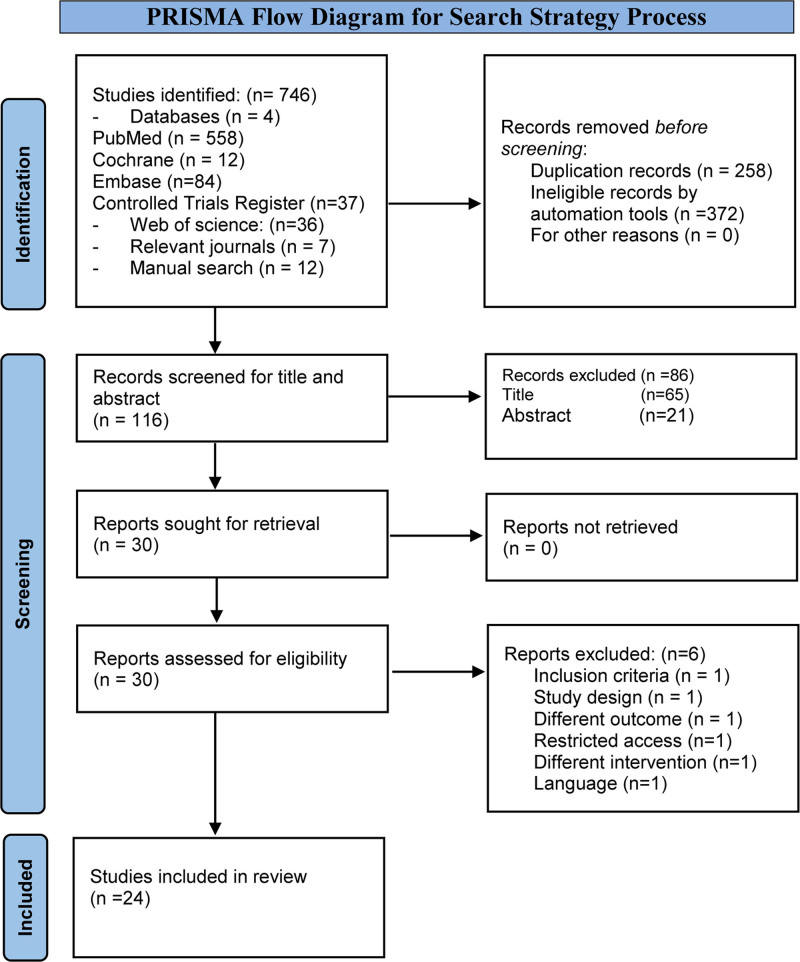
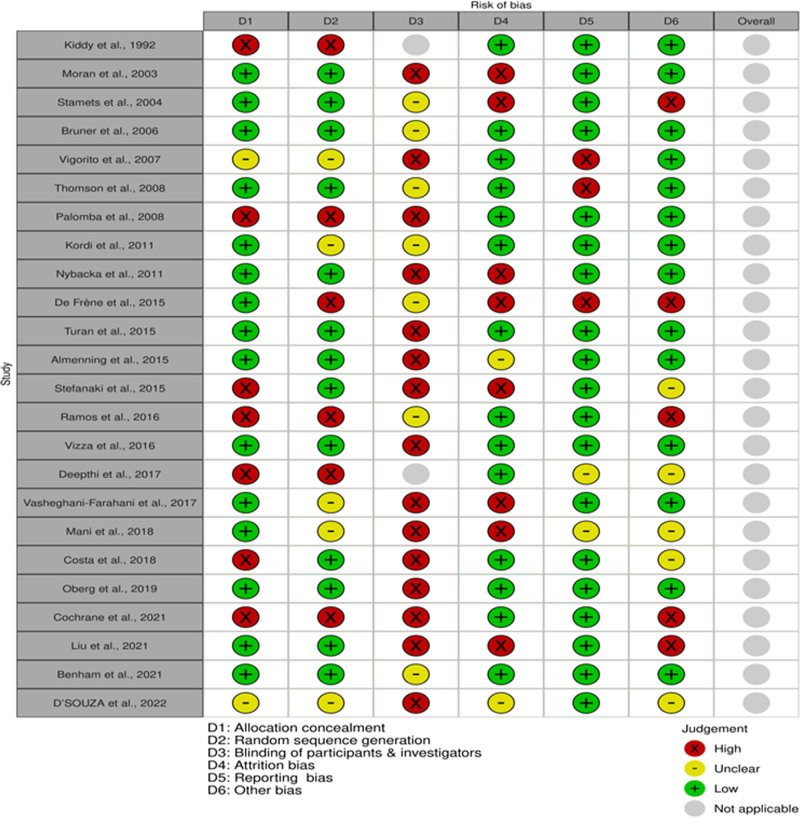
Methods: A comprehensive search was conducted using MEDLINE, EMBASE, Cochrane Library, and Web of Science databases, identifying observational and interventional studies published in English through December 2022. Studies were evaluated for methodological quality and categorized according to the type of lifestyle intervention and outcome measures.
Results: Of the 24 studies reviewed, with 16 focusing on reproductive outcomes, 4 on quality of life, and 4 on combined outcomes, encompassing 1373 participants with the mean age in the included studies ranged from 21.7 to 36.5 years. Dietary modifications, either alone or in combination with exercise, resulted in significant improvements in reproductive health, including a 5% reduction in body weight (P < .001), increased menstrual regularity, higher pregnancy rates, and decreased testosterone levels (P < .01). Exercise interventions further contributed to positive outcomes; a 20-week exercise program improved ovulation rates by 49.1% and significantly reduced testosterone and free androgen indices (P < .001). In addition, structured exercise programs increased menstrual regularity by 60% and reduced body mass index and testosterone levels.
Conclusion: This review underscores the efficacy of integrated lifestyle interventions, including dietary, exercise, and behavioral approaches, in improving reproductive health, psychological well-being, and quality of life in women with PCOS. These findings highlight the potential of comprehensive nonpharmacological management strategies to address the multifaceted health challenges posed by PCOS. Future research should prioritize long-term studies to assess sustained outcomes and examine personalized intervention strategies that account for the clinical diversity and heterogeneity of PCOS presentations.
Copyright © 2025 the Author(s). Published by Wolters Kluwer Health, Inc.
Conflict of interest statement
The authors have no conflicts of interest to disclose.
Figures
References
-
- Zehravi M, Maqbool M, Ara I. Polycystic ovary syndrome and reproductive health of women: a curious association. Int J Adolesc Med Health. 2021;33:333–7. - PubMed
-
- Damone AL, Joham AE, Loxton D, Earnest A, Teede HJ, Moran LJ. Depression, anxiety and perceived stress in women with and without PCOS: a community-based study. Psychol Med. 2019;49:1510–20. - PubMed
-
- Yazici H, Taskin MI, Guney G, Hismiogullari AA, Arslan E, Tulaci KG. The novel relationship between polycystic ovary syndrome and temporomandibular joint disorders. J Stomatol Oral Maxillofac Surg. 2021;122:544–8. - PubMed
Publication types
MeSH terms
LinkOut - more resources
Full Text Sources
Medical
