


Integrated transcriptomic and metabolomic analyses elucidate the mechanism by which grafting impacts potassium utilization efficiency in tobacco
- PMID: 39844046
- PMCID: PMC11756066
- DOI: 10.1186/s12870-025-06123-7
Integrated transcriptomic and metabolomic analyses elucidate the mechanism by which grafting impacts potassium utilization efficiency in tobacco
Abstract
Background: Potassium plays a crucial role in determining the quality of flue-cured tobacco leaves. Our prior investigations have demonstrated that using potassium-efficient rootstocks through grafting offers a viable solution to the prevalent issue of low potassium levels in Chinese flue-cured tobacco leaves. Nevertheless, the specific molecular mechanisms responsible for the increase in potassium content following grafting in tobacco leaves have yet to be elucidated. This study revealing for the first time how grafting improves potassium utilization efficiency through combined transcriptome and metabolome analysis.
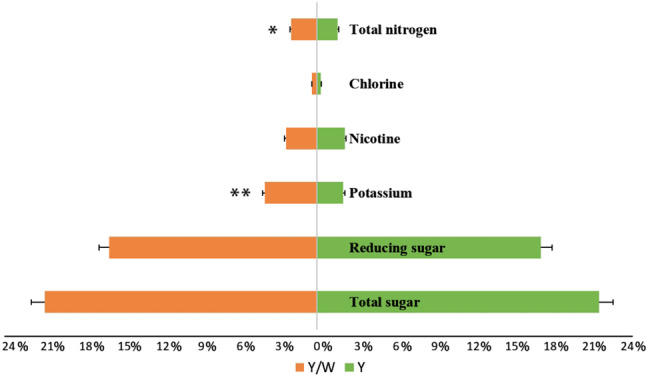
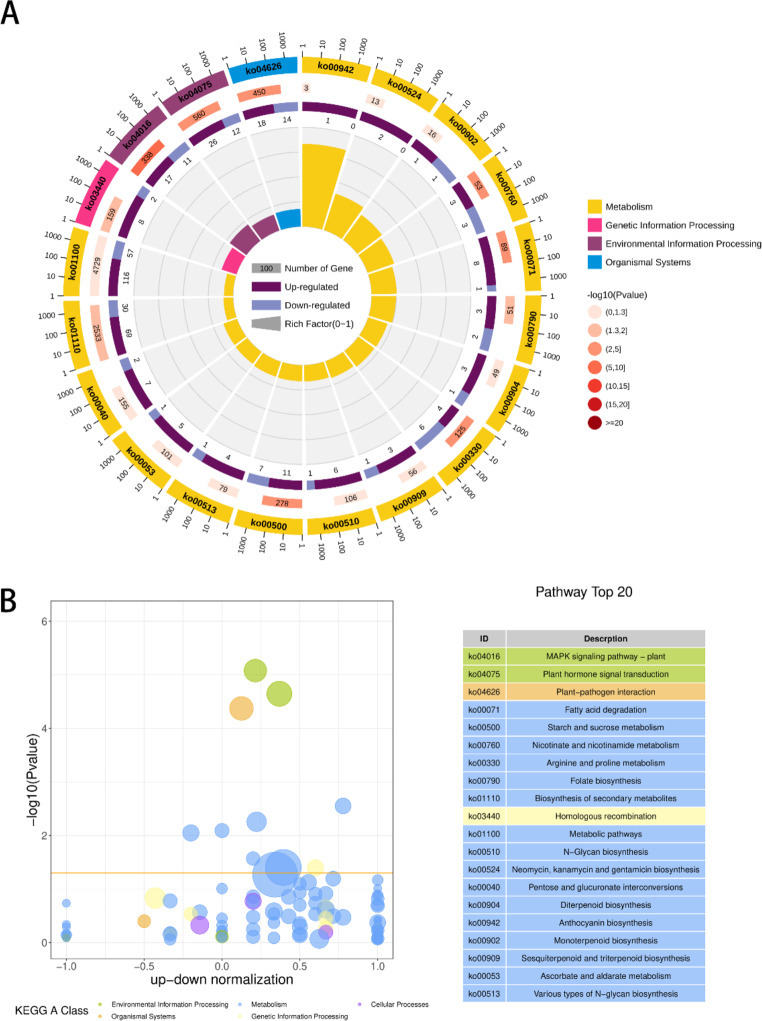
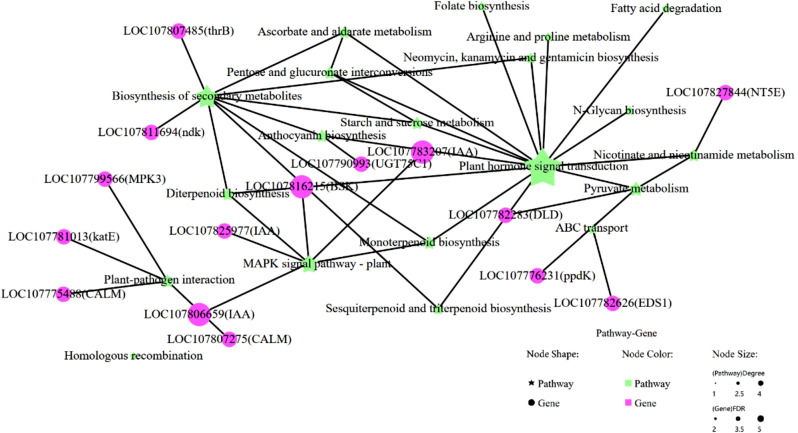
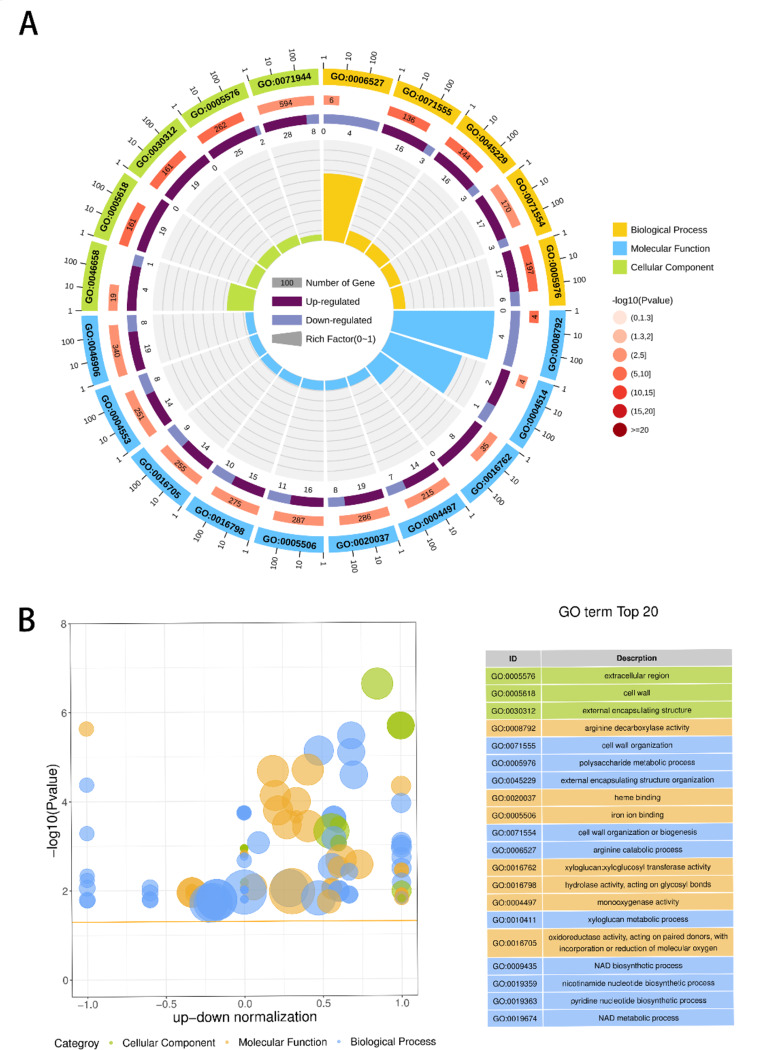
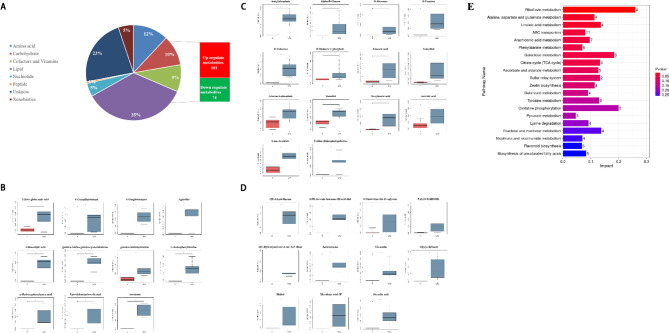
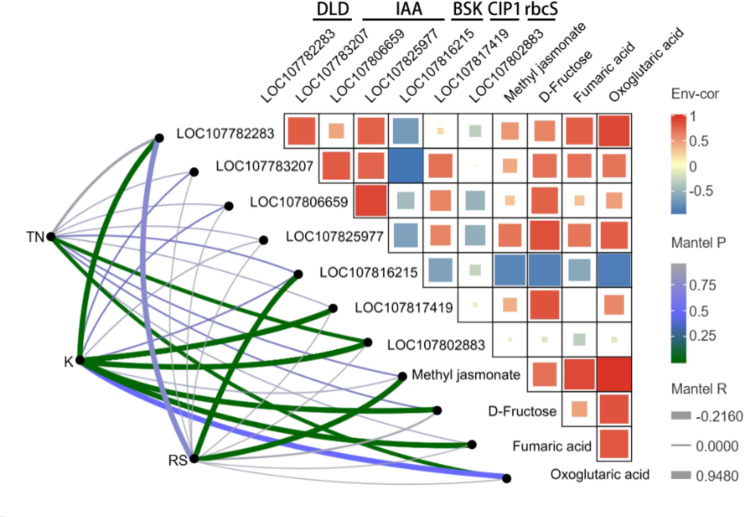
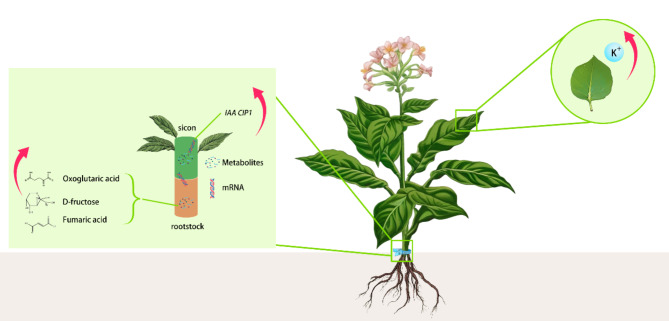
Results: This study selected Wufeng NO. 2, a potassium-efficient variety, and Yunyan 87, a main cultivar, as the research subjects to investigate the underlying reasons for differential potassium utilization efficiency among different tobacco rootstocks through transcriptome and metabolic data analysis of grafted tobacco. The results showed a considerable increment of 90.1% in the potassium content of the grafted tobacco leaves. Overall, 2044 differentially expressed genes were identified through transcriptome analysis, with the majority being enriched in plant hormone signal transduction and the MAPK pathway. Metabolome analysis revealed 175 metabolites with significant differences, primarily involving primary metabolites such as amino acids and carbohydrates. Among these, there was an increase in the metabolites levels related to glycolysis, amino acid metabolism, and the TCA cycle pathway in grafted tobacco leaves. The key metabolites and genes in the above pathways were selected for Mantel-Pearson correlation analysis, leading to the identification of 2 genes and 3 metabolites, including IAA, CIP1, D-fructose, Fumaric acid and Oxoglutaric acid, that were significantly associated with the increased potassium content in grafted tobacco.
Conclusions: This study uncovers the intricate molecular mechanism behind grafting tobacco to enhance potassium utilization efficiency, thereby offering theoretical support for enhancing crop nutrient utilization efficiency through grafting technology.
Keywords: Grafting; Metabolome; Potassium; Tobacco; Transcriptome.
© 2025. The Author(s).
Conflict of interest statement
Declarations. All the plant materials in this paper comply with relevant institutional, national, and international guidelines and legislation. Ethics approval and consent to participate: Not applicable. Consent for publication: Not applicable. Competing interests: The authors declare no competing interests.
Figures

References
-
- Hu W, Wei J, Di Q, Tao T, Zhang J, Liu J, et al. Flue-cured tobacco (Nicotiana tabacum L.) leaf quality can be improved by grafting with potassium-efficient rootstock. Field Crop Res. 2021;(274):108305.
-
- Schwamberger EC, Sims JL. Effects of Soil-Ph, Nitrogen-Source, Phosphorus, and Molybdenum on Early Growth and Mineral-Nutrition of Burley Tobacco. Commun Soil Sci Plan. 1991;22(7–8):641–57.
-
- Tao F, Teng W, Li CJ. Nutrient input and output balance in flue-cured tobacco production in China. China Tobbcao Sci. 2007;28(3):1–5.
-
- Sonmez O, Turan V, Kaya C. The effects of sulfur, cattle, and poultry manure addition on soil phosphorus. Turk J Agric for. 2016;40(4):536–41.
MeSH terms
Substances
LinkOut - more resources
Full Text Sources
Medical
