


Prevalence of complications and comorbidities associated with obesity: a health insurance claims analysis
- PMID: 39844122
- PMCID: PMC11756071
- DOI: 10.1186/s12889-024-21061-z
Prevalence of complications and comorbidities associated with obesity: a health insurance claims analysis
Abstract
Background: Despite the substantial burden of obesity in the United States (US), data on the comprehensive range of comorbidities in different age groups is limited. This study assessed the prevalence of various comorbidities among people diagnosed with obesity (as per ICD-10 diagnosis code) across age cohorts and compared how they differ from people without obesity.
Methods: This cross-sectional study analyzed individuals from all four regions (Midwest, Northeast, South, and West) of the US who had continuous insurance coverage from 2018 to 2020, using a large health insurance claims database (Merative™ MarketScan®). Identification of disorders relied on ICD-10 diagnosis code in patient claims and their prevalence was calculated.
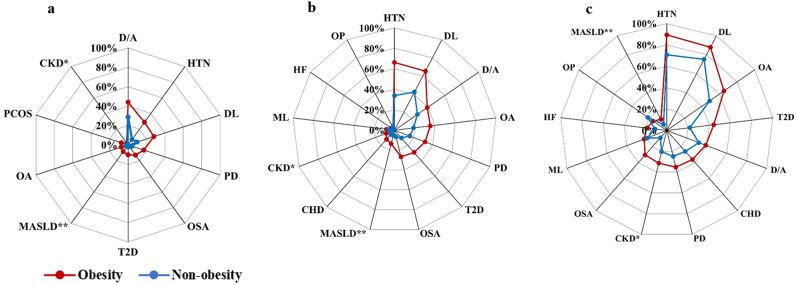
Results: Of 6,935,911 individuals, people with a diagnosis of obesity accounted for 22.0%, 33.6%, and 34.4% in the 18-39 years, 40-64 years, and ≥ 65 years age groups, respectively. Within age strata, the mean age of people with obesity was comparable with those without obesity. Comorbidity burden was significantly higher among people with obesity, but increased with age in both obesity and non-obesity groups. Comorbidities with highest prevalence in people with obesity included: (i) hypertension (18-39 years: 29.0%, 40-64 years: 66.2%, ≥ 65 years: 89.4%), (ii) dyslipidemia (18-39 years: 28.1%, 40-64 years: 65.4%, ≥ 65 years: 88.0%), (iii) depression or anxiety (18-39 years: 44.1%, 40-64 years: 39.0%, ≥ 65 years: 38.9%), and (iv) prediabetes (18-39 years: 17.1%, 40-64 years: 32.2%, ≥ 65 years: 35.3%). Notably, increased prevalence of cardiometabolic risk factors such as hypertension and dyslipidemia began at an earlier age in people with obesity as compared with those without obesity. Ratio of prevalence between obesity and non-obesity groups was highest for the 18-39 years age group, as compared to older groups. Disorders such as obstructive sleep apnea, osteoarthritis, type 2 diabetes, metabolic dysfunction-associated steatotic liver disease, coronary heart diseases (CHD), and chronic kidney diseases also exhibited substantial burden among those with obesity.
Conclusions: In this claims study, hypertension and dyslipidemia were the leading comorbidities in people with obesity, with an increasing prevalence with age. The burden of cardiometabolic comorbidities among the younger age group suggested potential risk for early onset of CHD in later life. Understanding the range of obesity-related comorbidities seen in this claims data may encourage healthcare professionals and healthcare systems to systematically diagnose and better manage these disorders. Further research using additional data sources can offer a more accurate view of the prevalence of obesity and its impact.
Keywords: Cardiovascular diseases; Comorbidities; Dyslipidemia; Hypertension; Obesity.
© 2024. The Author(s).
Conflict of interest statement
Declarations. Ethics approval and consent to participate: All study data were analyzed per protocol compliant with the US patient confidentiality requirements, including the Health Insurance Portability and Accountability Act (HIPAA) of 1996 regulations. As all databases used in the study were fully de-identified and compliant with the HIPAA, the study was exempt from Institutional Review Board approval. Consent for publication: Not applicable. Competing interests: JPB, DRN, KSB, KJM are employees and stockholders of Eli Lilly and Company.
Figures
References
-
- Centers for Disease Control and Prevention. Overweight & Obesity. Adult Obesity Facts. https://www.cdc.gov/obesity/data/adult.html. Accessed 23 Dec 2022.
-
- Obesity and overweight [Internet]. 2024. https://www.who.int/news-room/fact-sheets/detail/obesity-and-overweight#...
MeSH terms
LinkOut - more resources
Full Text Sources
Medical
