


De novo transcriptome profiling revealing genes involved in piperine biosynthetic pathway in Piper longum L
- PMID: 39849020
- PMCID: PMC11758021
- DOI: 10.1038/s41598-025-87434-5
De novo transcriptome profiling revealing genes involved in piperine biosynthetic pathway in Piper longum L
Abstract
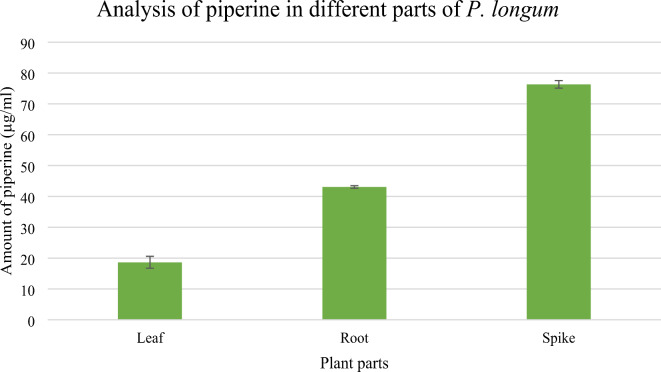
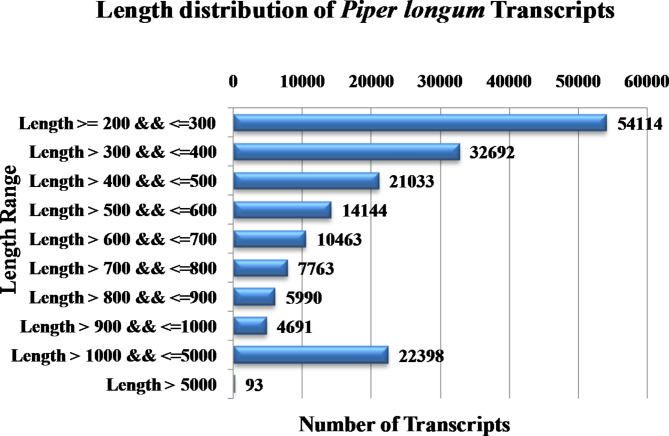
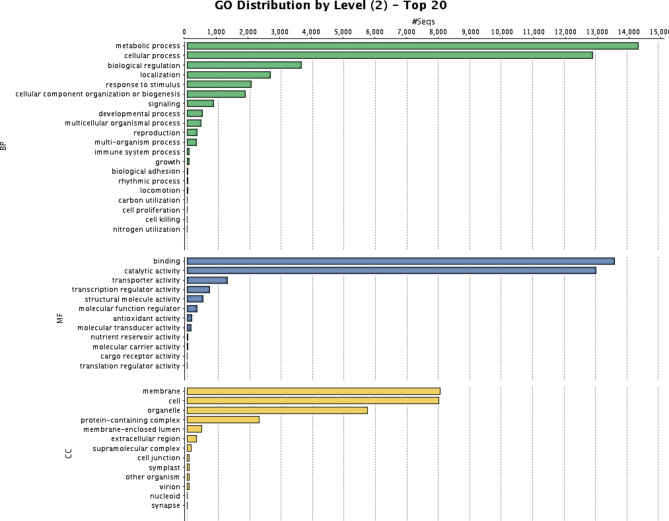
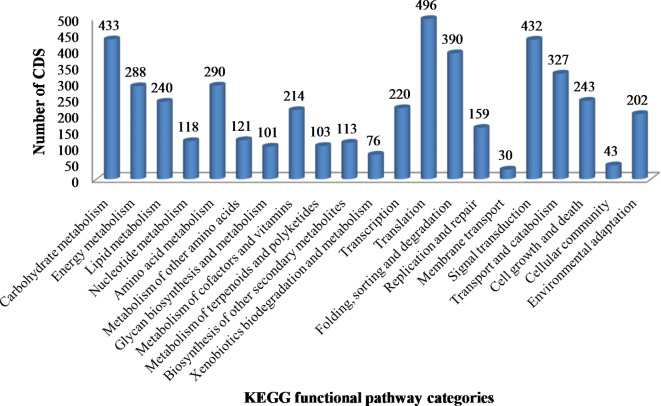
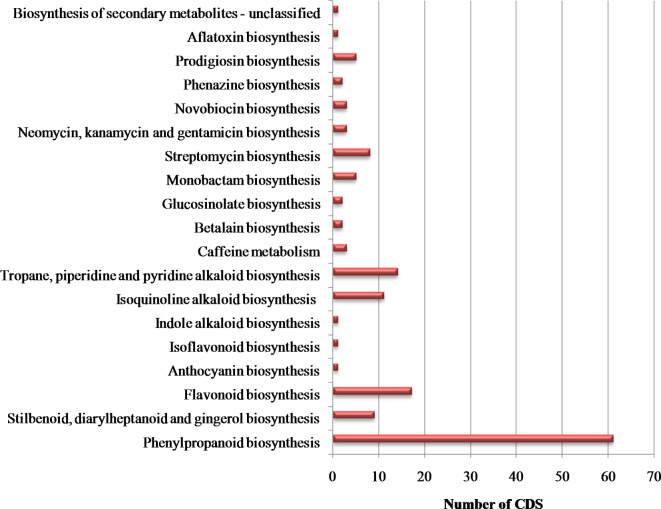
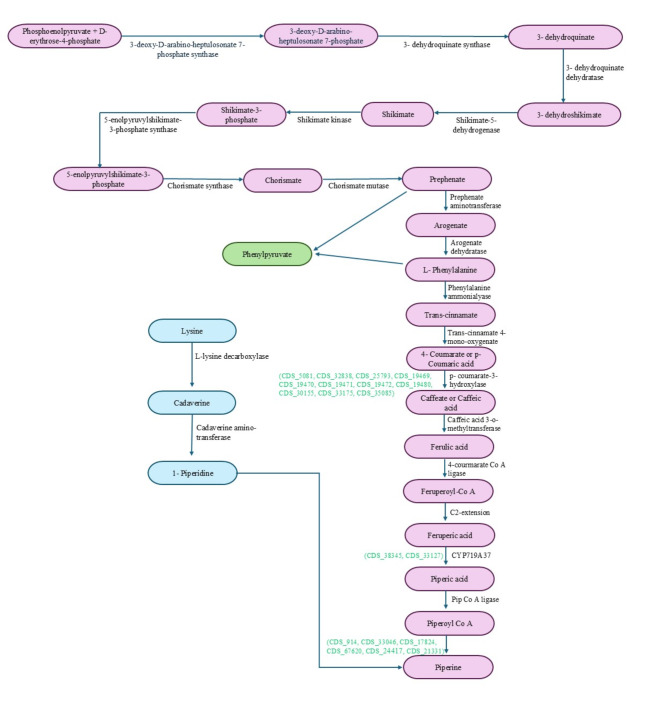
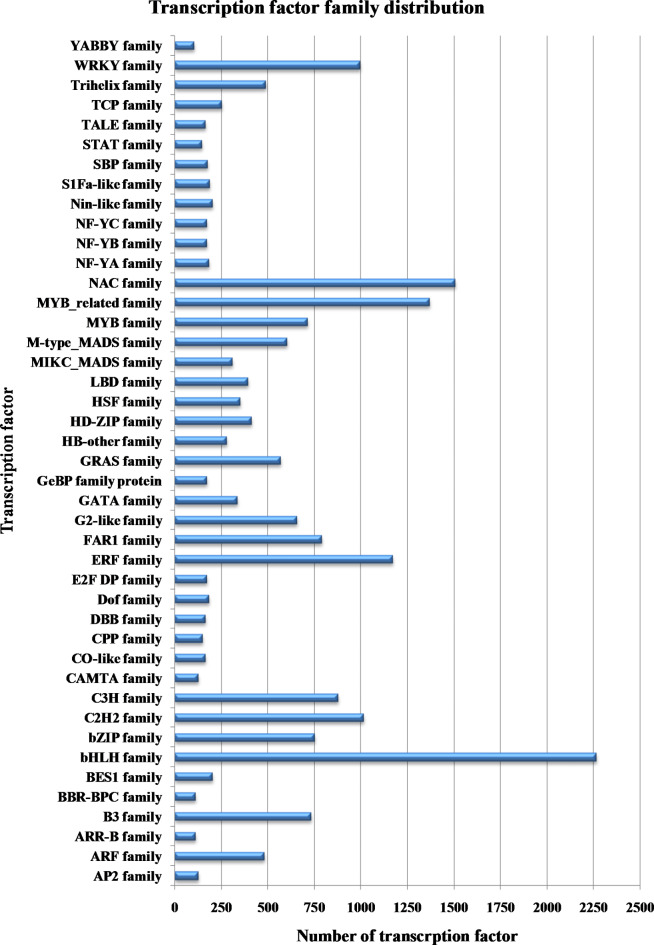
Piper longum, commonly known as long pepper, is highly valued for its bioactive alkaloid piperine, which has diverse pharmaceutical and culinary applications. In this study, we used high-throughput sequencing and de novo transcriptome assembly to analyze the transcriptomes of P. longum leaves, roots, and spikes. Our dataset consisted of 173,381 high-quality transcripts, with functional annotations highlighting key pathways involved in lysine biosynthesis and secondary metabolite production. We identified 8041 simple sequence repeats (SSRs), primarily trinucleotide repeats, adding valuable genetic markers. Additionally, we uncovered 21,235 transcription factors (TFs) across 65 families, including bHLH, NAC, and MYB, which are essential in regulating metabolism. KEGG pathway analysis categorized 4730 transcripts into 377 pathways, focusing on piperine biosynthesis, including phenylpropanoid and L-lysine metabolism. Our research identified 14 expressed genes encoding enzymes crucial for tropane, piperidine, and pyridine alkaloid biosynthesis, shedding light on piperine production mechanisms. High-performance liquid chromatography (HPLC) revealed varying piperine concentrations, with spikes showing the highest content, followed by roots and leaves. This comprehensive analysis of the P. longum transcriptome offers valuable insights into the genetics and regulatory networks underlying piperine biosynthesis, identifying molecular markers and genes that hold significant potential for enhancing the plant's biological and pharmaceutical applications.
Keywords: Piper longum; Biosynthetic pathways; Illumina; Piperine; Secondary metabolites; Transcriptome analysis.
© 2025. The Author(s).
Conflict of interest statement
Declarations. Competing interests: The authors declare no competing interests.
Figures

References
-
- Das, S., Parida, R., Sandeep, I. S., Nayak, S. & Mohanty, S. Biotechnological intervention in betelvine (Piper betle L.): A review on recent advances and future prospects. Asian Pac. J. Trop. Med.9 (10), 938–946 (2016). - PubMed
-
- Manoj, P., Soniya, E. V., Banerjee, N. S. & Ravichandran, P. Recent studies on well-known spice. Piper longum Linn. (2004).
-
- Esha Rami, E. R., Safura Sipai, S. S. & Patel, I. I.P. Studies on qualitative and quantitative phytochemical analysis of Piper longum Linn (2013).
-
- Zaveri, M., Khandhar, A., Patel, S. & Patel, A. Chemistry and pharmacology of Piper longum L. Int. J. Pharm. Sci. Res.5 (1), 67–76 (2010).
-
- Chaudhury, M. R., Chandrasekaran, R. & Mishra, S. Embryotoxicity and teratogenicity studies of an ayurvedic contraceptive—pippaliyadi vati. J. Ethnopharmacol.74 (2), 189–193 (2001). - PubMed
MeSH terms
Substances
LinkOut - more resources
Full Text Sources
