


Effectiveness of eHealth literacy interventions: a systematic review and meta-analysis of experimental studies
- PMID: 39849354
- PMCID: PMC11755798
- DOI: 10.1186/s12889-025-21354-x
Effectiveness of eHealth literacy interventions: a systematic review and meta-analysis of experimental studies
Abstract
Background: eHealth Literacy (eHL) is a set of competencies and skills encompassing the knowledge, comfort and perceived ability to identify, evaluate and apply electronic health information to health problems. Given its role in the appropriate use of health technologies, ensuring equitable access to health information and improving patient outcomes, this study aims to systematically retrieve, qualitatively and quantitative pool and critically appraise available experimental evidence on the effectiveness of eHL interventions across different population groups.
Methods: Following the PRISMA guidelines, we conducted a systematic review in PubMed/Medline, Scopus, Web of Science, Embase, Cochrane Library and ClinicalTrials.gov, including original experimental studies quantifying the effectiveness of interventions aimed at increasing eHL, as assessed by the eHealth Literacy Scale (eHEALS) or other validated scales. We performed a random-effects model meta-analysis comparing changes in eHL levels before and after the interventions, and between the intervention and control groups. Heterogeneity was assessed using I2 statistics.
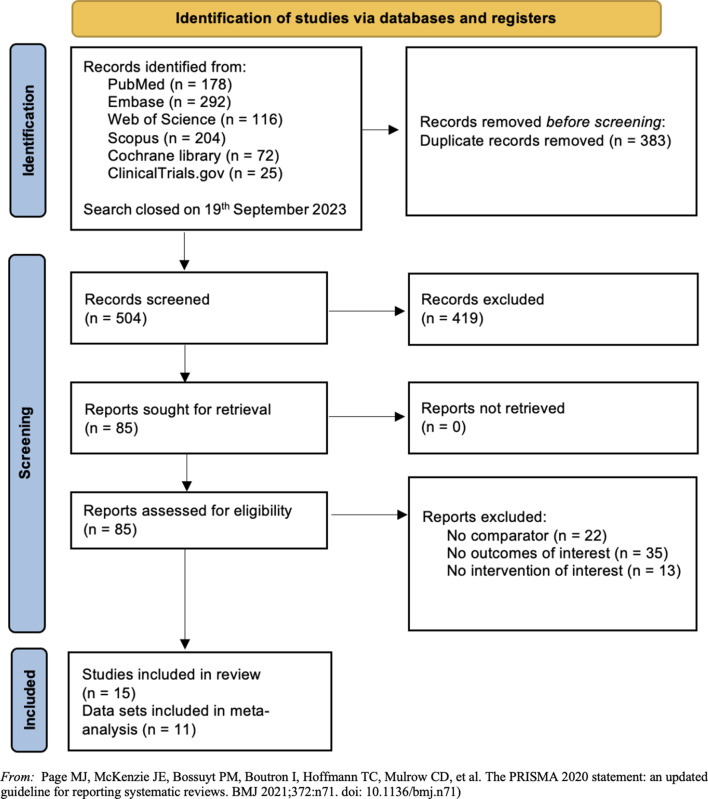
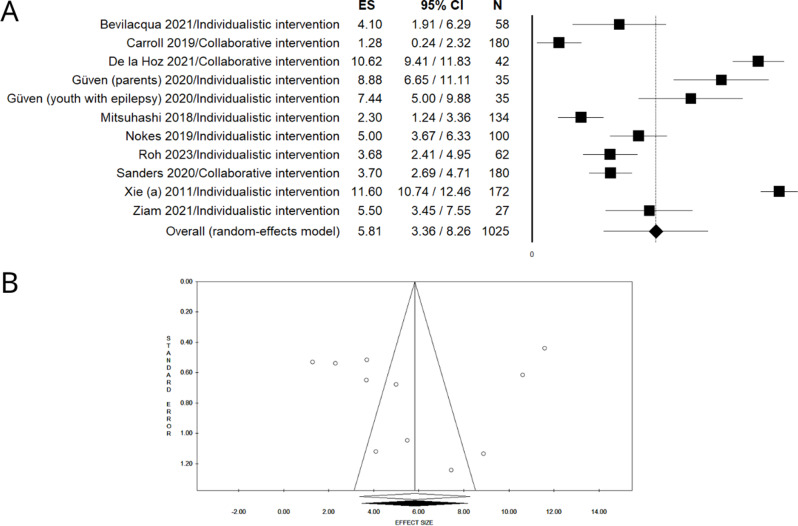
Results: Out of the 504 studies retrieved, 15 studies conducted between 2011 and 2023 met the inclusion criteria. Target populations of eHL interventions included adults in 7 studies, older people in 5 and young people in 4. The meta-analysis included 10 studies that used the eHEALS. Participants showed a mean increase in eHEALS scores of 5.81 points (95% CI = 3.36-8.26, N = 1025) following the eHL interventions compared to the pre-intervention period. In the analysis between the intervention and control groups, we found a statistically significant difference in eHL improvement in favour of the intervention group, with mean eHEALS scores 3.62 points (95% CI = 1.63-5.60, N = 1258) higher in the intervention group than in the control groups. Subgroup analyses by intervention type, stratified by Collaborative Learning (CL) or Individualistic Learning (IL) showed significant increases in eHealth Literacy in the pre-post intervention analysis (CL: UMD = 5.19, CI = 0.01-10.38, N = 402; IL: UMD = 6.05; CI = 3.14-8.97, N = 623) and in the intervention vs. control analysis in the IL group (DMD = 4.98; CI = 1.77-8.12, N = 540).
Conclusions: Our findings support the effectiveness of tailored interventions in significantly enhancing eHL, providing key insights for evidence-based intervention design targeted to different population groups.
Keywords: Digital health; Digital health literacy; eHealth literacy; eHealth literacy interventions.
© 2025. The Author(s).
Conflict of interest statement
Declarations. Ethics approval and consent to participate: Not applicable. Consent for publication: Not applicable. Clinical trial number: Not applicable. Competing interests: The authors declare no competing interests.
Figures


References
-
- Global Strategy on Digital. Health 2020–2025. 1st ed. Geneva: World Health Organization; 2021. p. 1.
Publication types
MeSH terms
Grants and funding
LinkOut - more resources
Full Text Sources
Medical
Miscellaneous
