


Dietary fermented mixed ingredient product enhances growth performance and intestinal stem cell-mediated epithelial regeneration through Wnt/β-catenin pathway in layer chicks
- PMID: 39854967
- PMCID: PMC11803830
- DOI: 10.1016/j.psj.2025.104821
Dietary fermented mixed ingredient product enhances growth performance and intestinal stem cell-mediated epithelial regeneration through Wnt/β-catenin pathway in layer chicks
Abstract
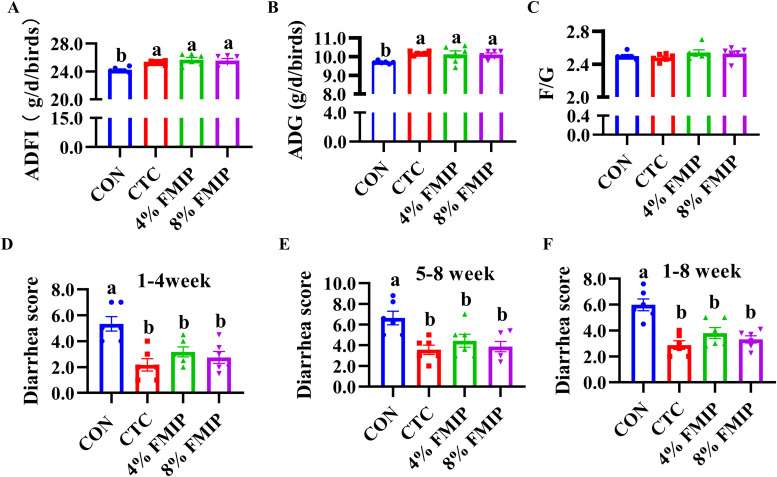
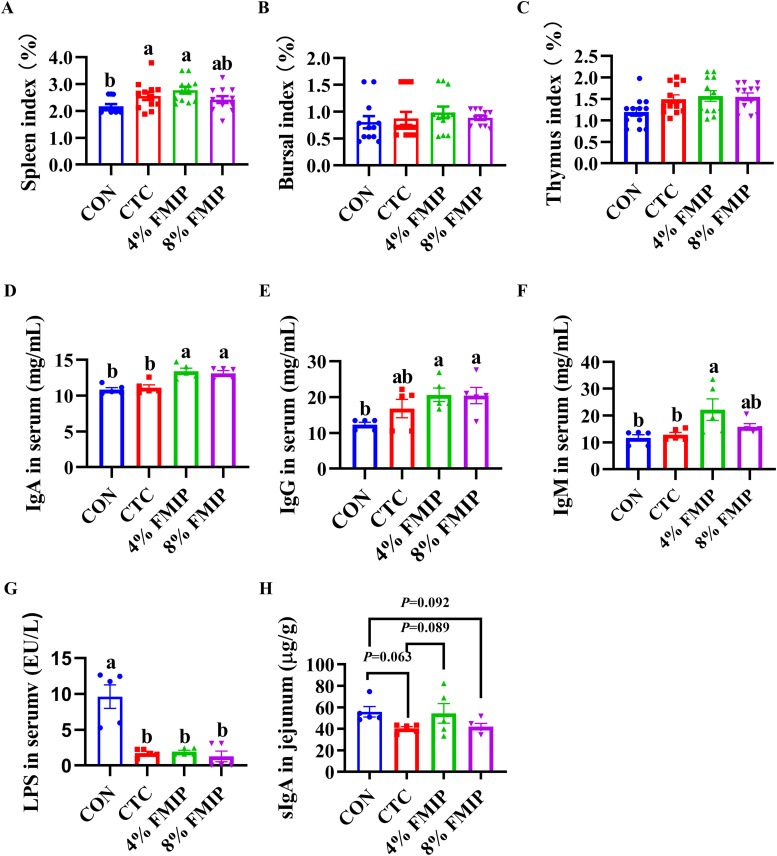
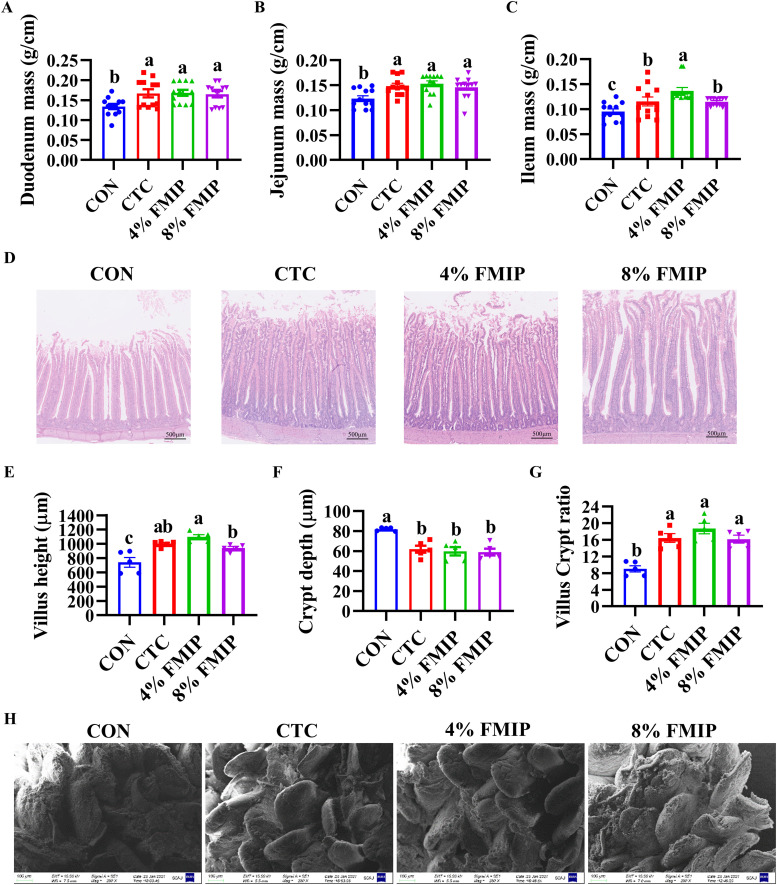
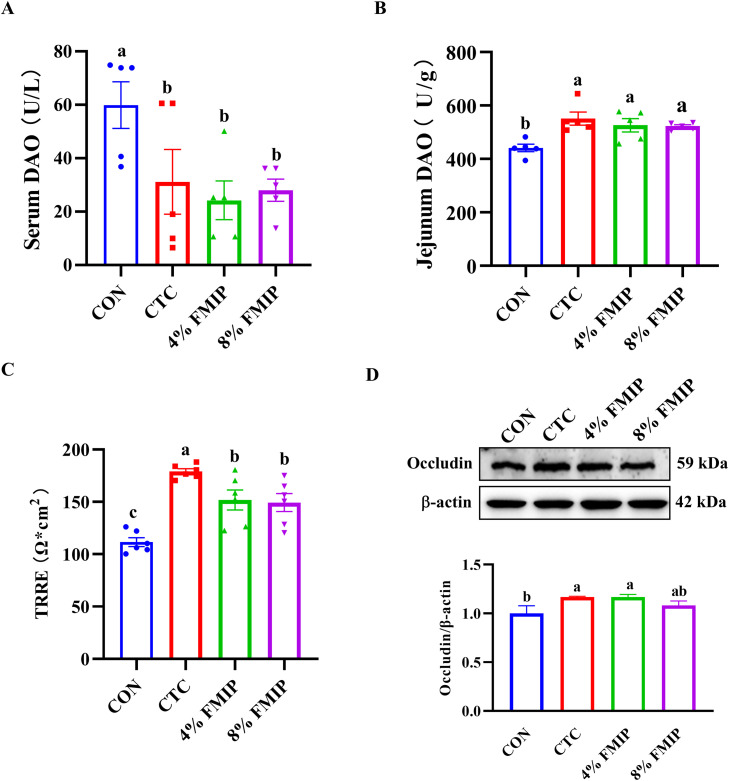
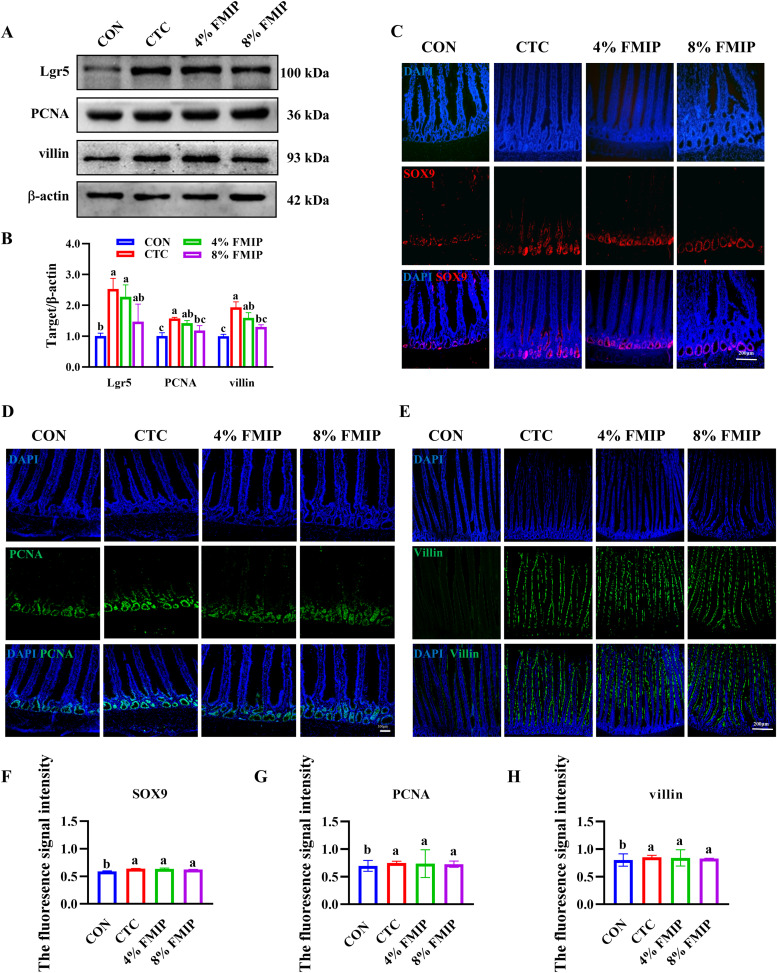
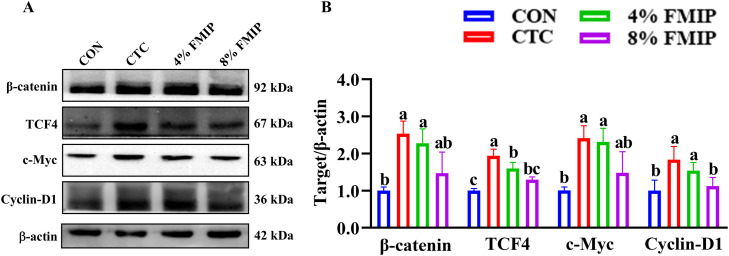
This study aimed to investigate the effects of dietary supplements of fermented mixed ingredient product (FMIP) on the growth performance, intestinal health, and immune performance of layer hens during the brooding period. Four hundred eighty healthy one-day-old layer chicks were randomly divided into four groups (six replicates/group, twenty hens/replicate) and were fed with different experimental diets for eight weeks (from day 1 to day 56): (1) Corn-soybean-base diet (CON); (2) Chlortetracycline group (CTC; CON diet supplemented with 0.5g/kg chlortetracycline); (3) 4 % fermented mixed ingredient product (4 % FMIP); (4) 8 % fermented mixed ingredient product (8 % FMIP). The results showed that, compared with the CON group, feeding with CTC, 4 % or 8 % FMIP increased the average daily feed intake (ADFI), average daily gain (ADG), immune organs index, serum IgA, IgM, and IgG levels, as well as the apparent metabolic rates of dry matter, crude protein, crude fiber, and crude ash (P < 0.05). Meanwhile, FMIP supplementation improved jejunal morphology and barrier function, as reflected by increased villus height and transepithelial electrical resistance, decreased DAO activity in serum, and up-regulated Occludin protein expression (P < 0.05). Additionally, FMIP supplementation significantly increased protein expression of the stem cell markers (SOX9 and Lgr5), proliferative cell marker (PCNA), and differentiated absorptive cell marker (Villin) (P < 0.05). The immunofluorescence results were consistent with the above results, and FMIP groups have the same effects as the CTC group. Furthermore, the CTC or 4 % FMIP treatment group resulted in a remarkable increase in Wnt/β-catenin signaling proteins (including β-catenin, TCF4, c-Myc, and Cyclin-D1) compared with the CON group (P < 0.05). In conclusion, dietary supplementation of 4 % FMIP improves growth and immune performance, and promotes the intestinal stem cell expansion of layer chicks through Wnt/β-catenin pathway activation.
Keywords: Fermented mixed ingredient product; Growth performance; Immune performance; Intestinal health; Layer chicks.
Copyright © 2025. Published by Elsevier Inc.
Conflict of interest statement
Conflict of interest We declare that we have no financial and personal relationships with other people or organizations that can inappropriately influence our work, there is no professional or other personal interest of any nature or kind in any product, service or company that could be construed as influencing the content of this paper.
Figures
References
-
- Barker N., van Oudenaarden A., Clevers H. Identifying the stem cell of the intestinal crypt: strategies and pitfalls. Cell Stem Cell. 2012;11:452–460. - PubMed
MeSH terms
LinkOut - more resources
Full Text Sources
Medical
Molecular Biology Databases
Research Materials
Miscellaneous
