


Whole-genome resequencing landscape of adaptive evolution in Relict gull (Larus relictus)
- PMID: 39856550
- PMCID: PMC11760084
- DOI: 10.1186/s12864-025-11257-x
Whole-genome resequencing landscape of adaptive evolution in Relict gull (Larus relictus)
Abstract
Background: The relict gull (Larus relictus, Charadriiformes, Laridae) classified as vulnerable in the IUCN Red List is defined as a first-class national protected bird in China. However, our knowledge of the evolutionary history of L. relictus is limited. Here, we performed whole-genome resequencing of L. relictus (n = 14) and L. brunnicephalus (n = 3) to explore the genetic relationships and population structures and understand their adaptive evolution.
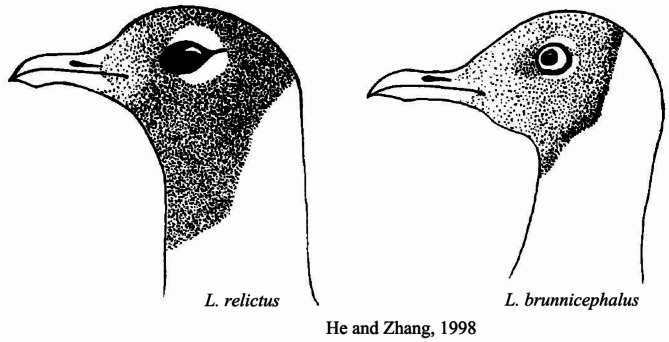
Results: The whole genome resequencing generated 667.55 Gb clean reads with an average sequencing depth of ~ 29×. The genomic variant analysis identified 13,717,267 heterozygous SNPs in the samples obtained from 17 individuals. Population genetic diversity analysis revealed that low nucleotide diversity (0.00029) and no obvious population structure in L. relictus. Demographic history revealed that from 180 to 5 kya (thousand years ago), the effective population size (Ne) of L. relictus exhibited declines (24,000 to 5,000), with a very low range population size (2,200 to 5,000). In contrast, from 100 to 80 kya, L. brunnicephalus peaked in ancestral Ne, followed by distinct declines at ~ 70 kya (100,000 to 16,000). The findings identified several genes associated with the correlated changed life-history traits of L. relictus, including BMP4 involved in beak adaptation; HAND2, NEUROG1, COL11A2, and EDNRB involved in the evolution of the palate, soft palate, and tongue; PIGR and PLCB2 involved in an enhanced response to bitter taste by sensing chemical secretions released by staple food substrate insects to activate protective mechanisms. Furthermore, thirty-four genes related to sperm development and activity, including KLHL10 and TEKT3, were identified in the expanded gene family. In addition, MED1, CNOT9, NR5A1, and PATZ1 were involved in enhanced male hormone secretion and a high density of candidate genes associated with embryonic development were identified. The findings indicated that the L. relictus population was in a male-biased diffusion mode; the function of the TEKT3 gene showed that males played a dominant role in brooding, which enhanced their attraction to females. Our study revealed that significant enrichment of olfactory signaling pathway genes, including OR14C36, OR14J1, OR14I1, and OR14A16; inner ear development-related, including PTN, PTPN11, GATA2, ATP8B1, and MYO15A; and those related to hypoxic adaptation to high-altitude breeding and iris colour.
Conclusions: Based on the results and the knowledge of this organism biology and habitat use, we infer that less adaptive evolutionary pressure on vision in L. relictus were related with their feeding behaviour and adaptation. In summary, this comprehensive analysis provides insights into the evolutionary features of L. relictus and a new perspective for scientific research on L. relictus to effectively determine its future survival viability.
Keywords: Larus relictus; Adaptive evolution; Genome resequencing; Historical dynamics; Population structure.
© 2025. The Author(s).
Conflict of interest statement
Declarations. Ethics approval and consent to participate: We have complied with all local, national and international regulations and conventions, and we respect normal scientific ethical practices. The specimens used in this study collected from individuals that died naturally during the field investigation, and were harmlessly treatment. The animal experimentation programme of this project has been approved by the Ethics Committee of Shaanxi Institute of Zoology (Xi’an, China) and complies with the principles of animal protection, welfare and ethics, as well as national regulations on the ethical care of laboratory animals. In addition, our team is a wildlife conservation authority under the Shaanxi Academy of Sciences (China), and has been cooperating and working with the Hongjian Nur authority department for nearly 25 years, mainly dedicated to the conservation of the relict gull. Sampling is carried out in the course of daily conservation work according to the institutional guidelines of the Hongjian Nur Nature Reserve Authority. Consent for publication: Not applicable. Competing interests: The authors declare no competing interests.
Figures



References
-
- Lamichhaney S, Fan GY, Widemo F, Gunnarsson U, Thalmann DS, Hoeppner MP, et al. Structural genomic changes underlie alternative reproductive strategies in the ruff (Philomachus pugnax). Nat Genet. 2016;48(1):84–8. - PubMed
MeSH terms
Grants and funding
- Grant No. 2018ZDXM-NY-071 and 2018SF-356/Projects for Department of Science and Technology of Shaanxi Province, China
- Grant No. XAB2021YW01/Western Young Scholars Projects of Chinese Academy of Sciences
- Grant No. 2020K-03,2021K-39 and 2023K-16/Science and Technology Projects of Shaanxi Academy of Science, China
- Grant No. 31601846/National Natural Science Foundation of China
- Grant No. GK202304021/Fundamental Research Funds for the Central Universities, China
LinkOut - more resources
Full Text Sources
Miscellaneous
