


Multi-Omics and Network-Based Drug Repurposing for Septic Cardiomyopathy
- PMID: 39861106
- PMCID: PMC11768530
- DOI: 10.3390/ph18010043
Multi-Omics and Network-Based Drug Repurposing for Septic Cardiomyopathy
Erratum in
-
Correction: Liu et al. Multi-Omics and Network-Based Drug Repurposing for Septic Cardiomyopathy. Pharmaceuticals 2025, 18, 43.Pharmaceuticals (Basel). 2025 Jul 14;18(7):1040. doi: 10.3390/ph18071040. Pharmaceuticals (Basel). 2025. PMID: 40732369 Free PMC article.
Abstract
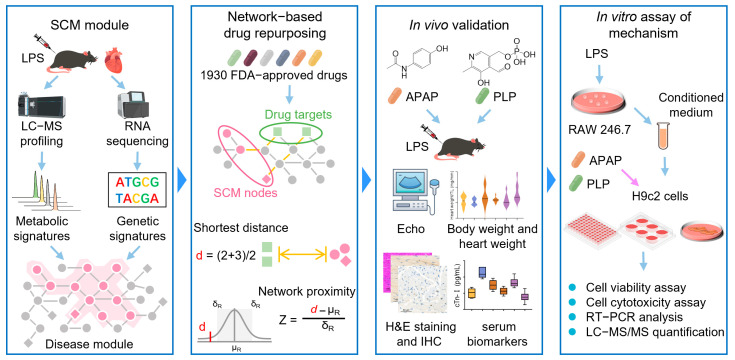
Background/objectives: Septic cardiomyopathy (SCM) is a severe cardiac complication of sepsis, characterized by cardiac dysfunction with limited effective treatments. This study aimed to identify repurposable drugs for SCM by integrated multi-omics and network analyses.
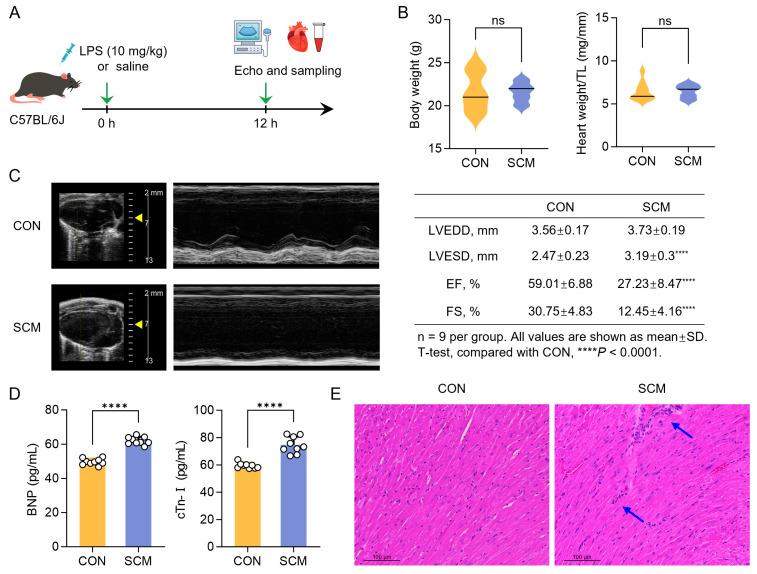
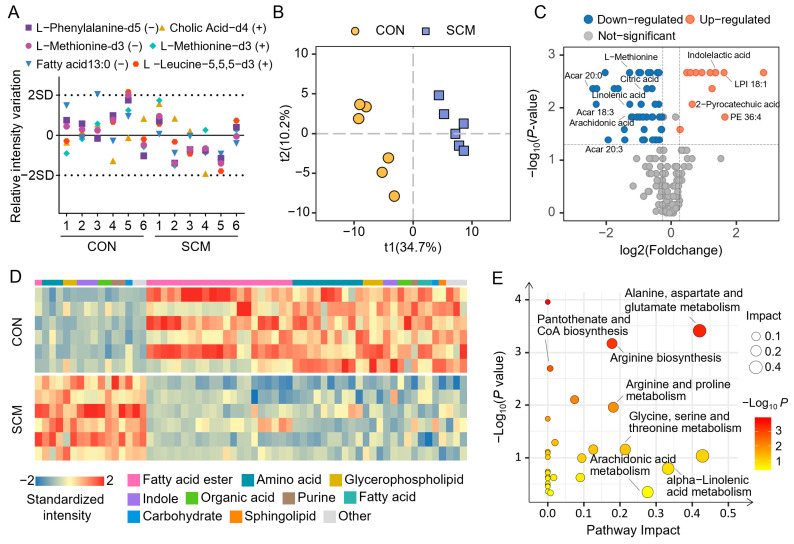
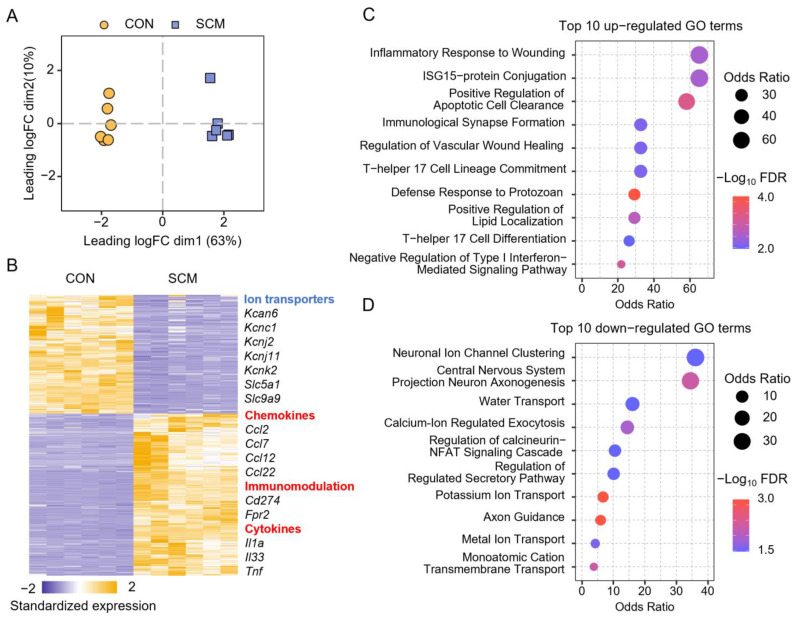
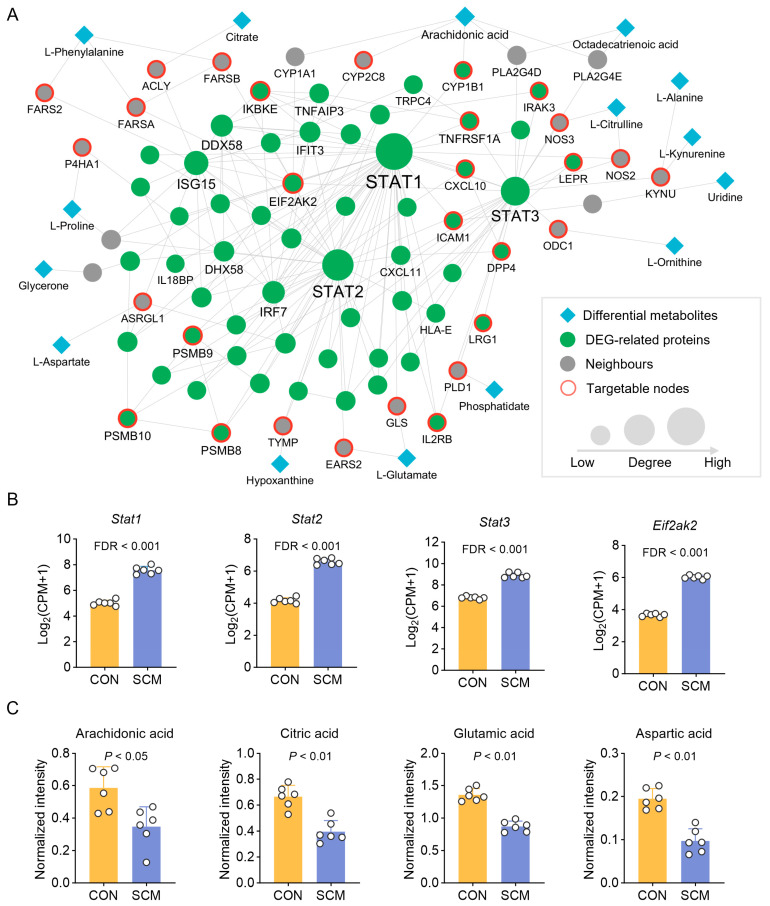
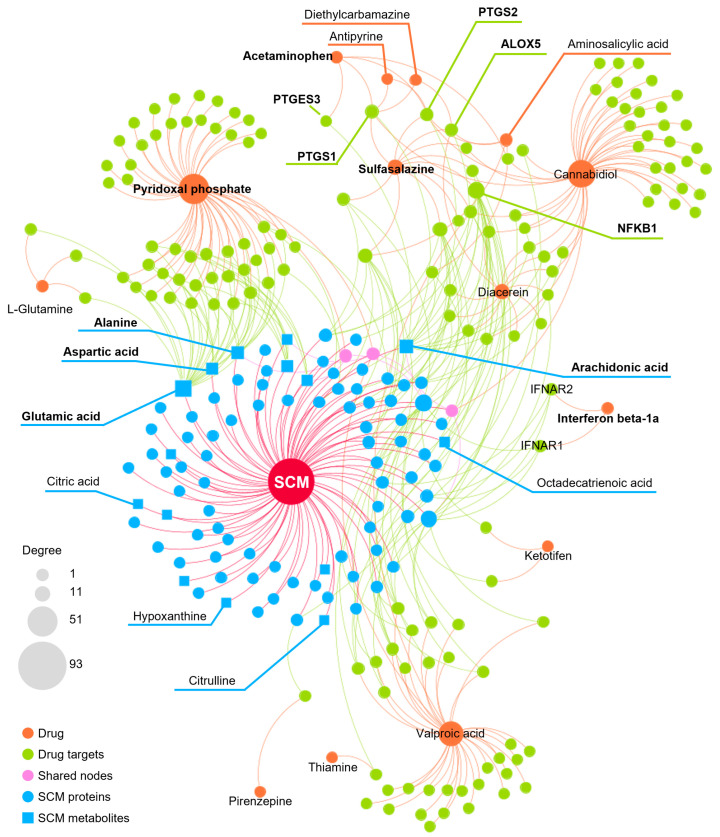
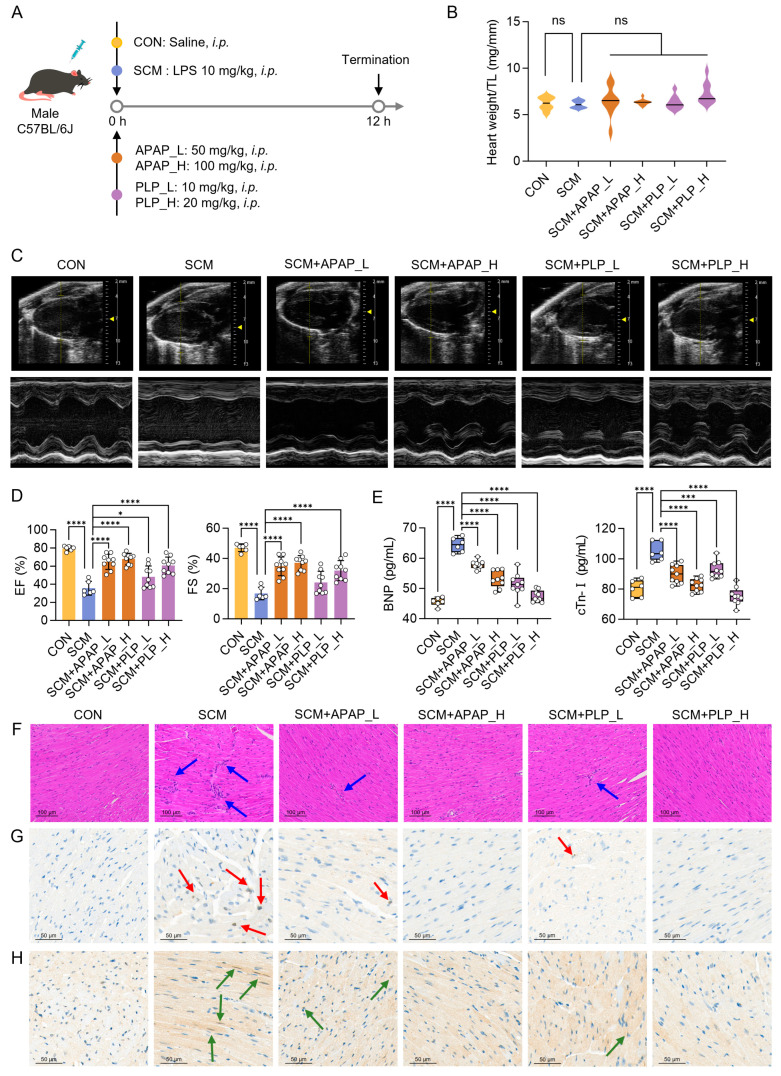
Methods: We generated a mouse model of SCM induced by lipopolysaccharide (LPS) and then obtained comprehensive metabolic and genetic data from SCM mouse hearts using ultra-performance liquid chromatography-tandem mass spectrometry (UPLC-MS/MS) and RNA sequencing (RNA-seq). Using network proximity analysis, we screened for FDA-approved drugs that interact with SCM-associated pathways. Additionally, we tested the cardioprotective effects of two drug candidates in the SCM mouse model and explored their mechanism-of-action in H9c2 cells.
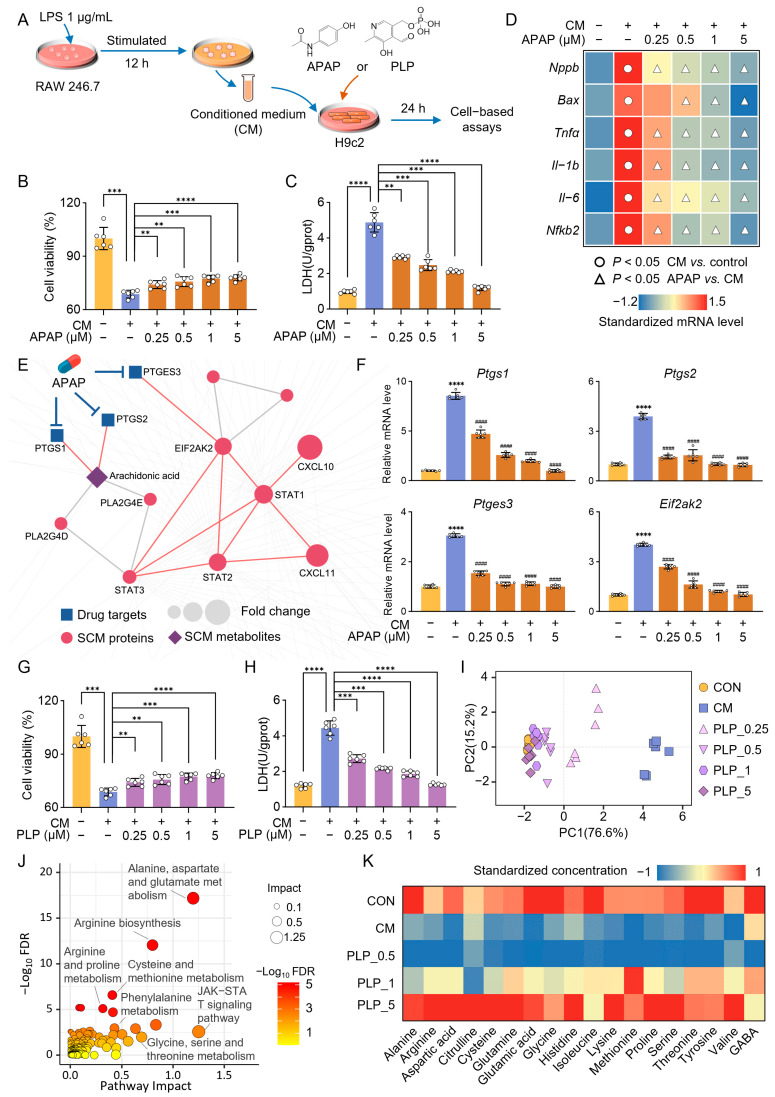
Results: Network analysis identified 129 drugs associated with SCM, which were refined to 14 drug candidates based on strong network predictions, proven anti-infective effects, suitability for ICU use, and minimal side effects. Among them, acetaminophen and pyridoxal phosphate significantly improved cardiac function in SCM moues, as demonstrated by the increased ejection fraction (EF) and fractional shortening (FS), and the reduced levels of cardiac injury biomarkers: B-type natriuretic peptide (BNP) and cardiac troponin I (cTn-I). In vitro assays revealed that acetaminophen inhibited prostaglandin synthesis, reducing inflammation, while pyridoxal phosphate restored amino acid balance, supporting cellular function. These findings suggest that both drugs possess protective effects against SCM.
Conclusions: This study provides a robust platform for drug repurposing in SCM, identifying acetaminophen and pyridoxal phosphate as promising candidates for clinical translation, with the potential to improve treatment outcomes in septic patients with cardiac complications.
Keywords: LC-MS; acetaminophen; metabolomics; network medicine; transcriptomics.
Conflict of interest statement
The authors declare no conflicts of interest.
Figures
References
-
- Rudd K.E., Johnson S.C., Agesa K.M., Shackelford K.A., Tsoi D., Kievlan D.R., Colombara D.V., Ikuta K.S., Kissoon N., Finfer S., et al. Global, Regional, and National Sepsis Incidence and Mortality, 1990–2017: Analysis for the Global Burden of Disease Study. Lancet. 2020;395:200–211. doi: 10.1016/S0140-6736(19)32989-7. - DOI - PMC - PubMed
Grants and funding
LinkOut - more resources
Full Text Sources
Research Materials
