


A Preliminary Study of Nutrients Related to the Risk of Relative Energy Deficiency in Sport (RED-S) in Top-Performing Female Amateur Triathletes: Results from a Nutritional Assessment
- PMID: 39861337
- PMCID: PMC11767317
- DOI: 10.3390/nu17020208
A Preliminary Study of Nutrients Related to the Risk of Relative Energy Deficiency in Sport (RED-S) in Top-Performing Female Amateur Triathletes: Results from a Nutritional Assessment
Abstract
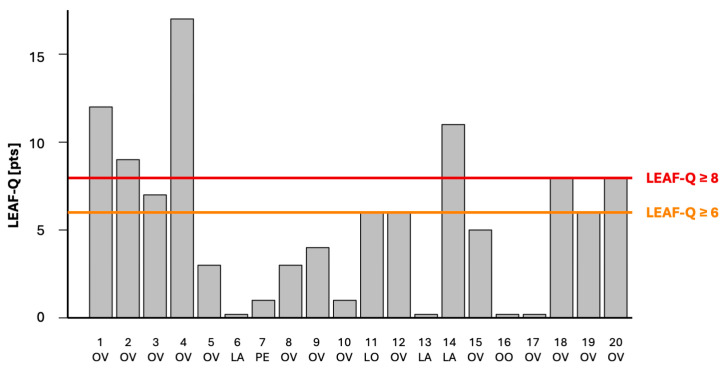
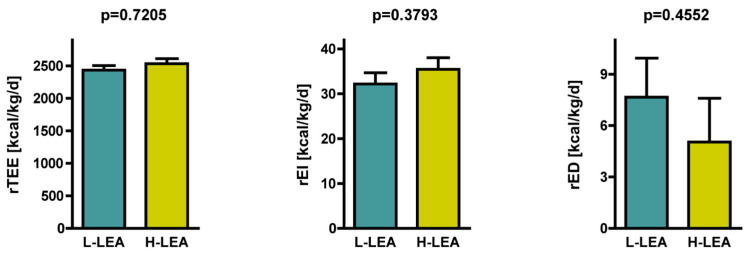
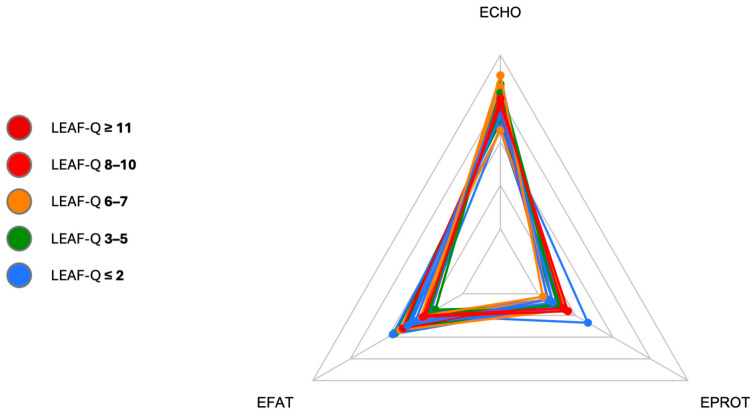
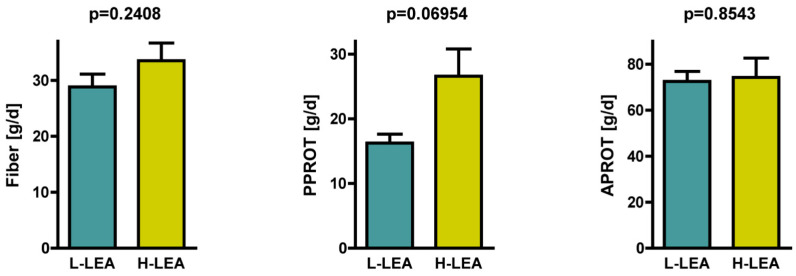
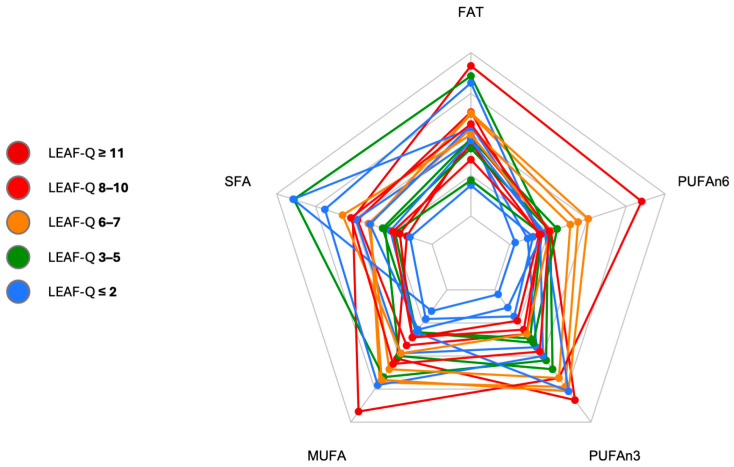
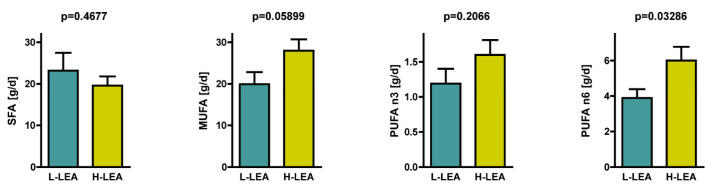
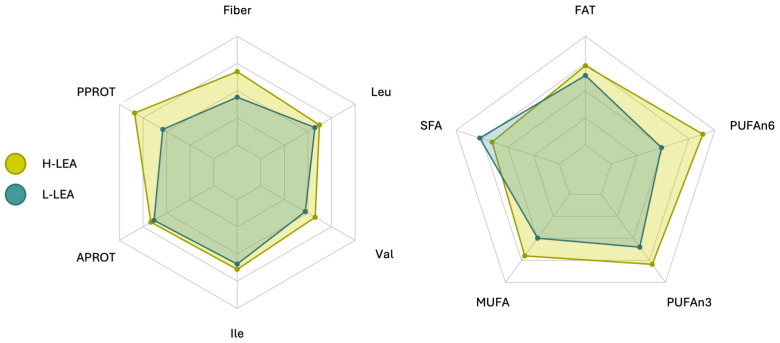
Background/Objectives: As an endurance multi-sport race, triathlon places significant energy demands on athletes during performance and training. Insufficient energy intake from food can lead to low energy availability (LEA) and Relative Energy Deficiency in Sport (RED-S). We aimed to measure symptoms related to LEA, examine the risk of RED-S, and find how diet relates to the risk of RED-S in highly trained female amateur triathletes. Methods: Our sample was 20 top-performing female triathletes competing in Quarter Ironman (IM), Half IM, IM, or Double IM triathlons for 5.5 ± 2.5 y who were during the preparatory phase of training (training load 11 ± 3.76 h/week, a single workout 84 ± 25 min). Triathletes completed 3-day food diaries, training diaries, and the Low Energy Availability in Females Questionnaire (LEAF-Q). Exercise energy expenditure was estimated using wrist-worn activity trackers. To examine dietary patterns related to the first signs of LEA, predating RED-S, we created two groups: the L-LEA group (LEAF-Q score 0-5, no symptoms related to LEA, low risk of RED-S, n = 10) and the H-LEA group (LEAF-Q ≥ 6, at least one LEA-related symptom, high risk of RED-S, n = 10). Results: The risk of RED-S was prevalent in 30% of female triathletes, and 50% showed at least one symptom related to LEA. Macronutrient intake was similar in all participants, but triathletes from the H-LEA group tended to eat more plant-sourced protein and fiber. They consumed less saturated fatty acids but ingested more significant amounts of n-6 polyunsaturated fatty acids (PUFAn6). Conclusions: We conclude that foods higher in plant proteins, fiber, and PUFAn6 might predispose female triathletes to LEA by reducing the diet's energy density.
Keywords: PUFA; diet; endurance; energy intake; female athletes; fiber; plant protein; sports nutrition; triathlon.
Conflict of interest statement
The authors declare no conflicts of interest.
Figures

References
-
- Mountjoy M., Sundgot-Borgen J., Burke L., Carter S., Constantini N., Lebrun C., Meyer N., Sherman R., Steffen K., Budgett R., et al. The IOC consensus statement: Beyond the Female Athlete Triad-Relative Energy Deficiency in Sport (RED-S) Br. J. Sports Med. 2014;48:491–497. doi: 10.1136/bjsports-2014-093502. - DOI - PubMed
-
- Mountjoy M., Ackerman K.E., Bailey D.M., Burke L.M., Constantini N., Hackney A.C., Heikura I.A., Melin A., Pensgaard A.M., Stellingwerff T., et al. 2023 International Olympic Committee’s (IOC) consensus statement on Relative Energy Deficiency in Sport (REDs) Br. J. Sports Med. 2024;57:1073–1097. doi: 10.1136/bjsports-2023-106994. - DOI - PubMed
MeSH terms
Grants and funding
LinkOut - more resources
Full Text Sources
Research Materials
