


Emerging Nanoparticle-Based Diagnostics and Therapeutics for Cancer: Innovations and Challenges
- PMID: 39861718
- PMCID: PMC11768644
- DOI: 10.3390/pharmaceutics17010070
Emerging Nanoparticle-Based Diagnostics and Therapeutics for Cancer: Innovations and Challenges
Abstract
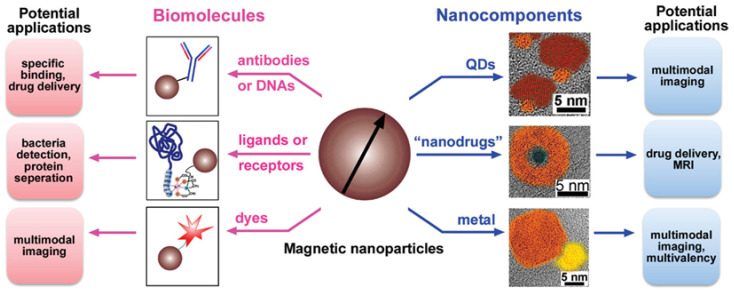
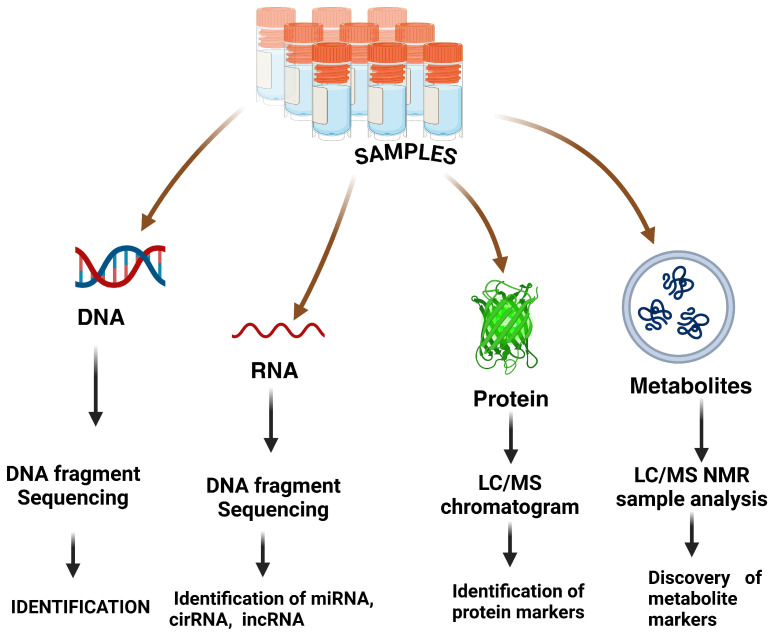
Malignant growth is expected to surpass other significant causes of death as one of the top reasons for dismalness and mortality worldwide. According to a World Health Organization (WHO) study, this illness causes approximately between 9 and 10 million instances of deaths annually. Chemotherapy, radiation, and surgery are the three main methods of treating cancer. These methods seek to completely eradicate all cancer cells while having the fewest possible unintended impacts on healthy cell types. Owing to the lack of target selectivity, the majority of medications have substantial side effects. On the other hand, nanomaterials have transformed the identification, diagnosis, and management of cancer. Nanostructures with biomimetic properties have been grown as of late, fully intent on observing and treating the sickness. These nanostructures are expected to be consumed by growth in areas with profound disease. Furthermore, because of their extraordinary physicochemical properties, which incorporate nanoscale aspects, a more prominent surface region, explicit geometrical features, and the ability to embody different substances within or on their outside surfaces, nanostructures are remarkable nano-vehicles for conveying restorative specialists to their designated regions. This review discusses recent developments in nanostructured materials such as graphene, dendrimers, cell-penetrating peptide nanoparticles, nanoliposomes, lipid nanoparticles, magnetic nanoparticles, and nano-omics in the diagnosis and management of cancer.
Keywords: dendrimers; graphene; lipid nanoparticles; nano-omics; nano-oncology.
Conflict of interest statement
The authors declare no conflicts of interest.
Figures

References
-
- Chehelgerdi M., Chehelgerdi M., Allela O.Q.B., Pecho R.D.C., Jayasankar N., Rao D.P., Thamaraikani T., Vasanthan M., Viktor P., Lakshmaiya N., et al. Progressing nanotechnology to improve targeted cancer treatment: Overcoming hurdles in its clinical implementation. Mol. Cancer. 2023;22:169. doi: 10.1186/s12943-023-01865-0. - DOI - PMC - PubMed
-
- Kumarasamy R.V., Natarajan P.M., Umapathy V.R., Roy J.R., Mironescu M., Palanisamy C.P. Clinical applications and therapeutic potentials of advanced nanoparticles: A comprehensive review on completed human clinical trials. Front. Nanotechnol. 2024;6:1479993. doi: 10.3389/fnano.2024.1479993. - DOI
Publication types
LinkOut - more resources
Full Text Sources
