


Pyriproxyfen, villain or good guy? A brief review
- PMID: 39876972
- PMCID: PMC11771759
- DOI: 10.20945/2359-4292-2024-0154
Pyriproxyfen, villain or good guy? A brief review
Abstract
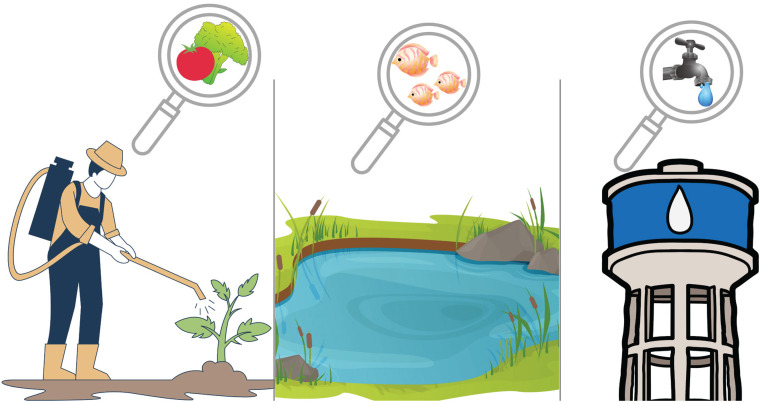
Pyriproxyfen (PPF) acts as a juvenile growth regulator, interfering with normal metamorphosis and blocking the development of insects into adulthood. Although the World Health Organization (WHO) considers the use of PPF at a concentration of 0.01 mg/L as unlikely to pose health risks, recent studies have unveiled potential risks associated with PPF exposure to non-target organisms. Exposure to PPF disrupts insect development primarily by mimicking juvenile hormones; therefore, concerns linger over its impact on unintended species. Studies have highlighted the adverse effects of PPF on aquatic invertebrates, fish, and amphibians and revealed mortality and developmental abnormalities in non-target mosquito species exposed to PPF-treated water. Moreover, PPF may act as an endocrine disruptor, interfering with hormonal pathways crucial for growth, reproduction, and behavior in exposed organisms. Amphibians, for instance, display altered reproductive physiology and developmental abnormalities due to disruptions in endocrine signaling pathways caused by PPF. The ecological ramifications of PPF extend beyond direct toxicity to non-target species. Indirect effects include shifts in food web dynamics and ecosystem functioning. Reductions in insect populations, induced by PPF, can disrupt food availability for higher trophic levels, potentially destabilizing community structure and ecosystem equilibrium. Given mounting evidence of unintended consequences, robust risk assessment and regulatory oversight are imperative. Accurate classification of PPF by regulatory bodies is essential to balancing its role in disease control and pest management benefits with the need to safeguard non-target species and maintain ecosystem health. Future research must prioritize comprehensive assessments of PPF's ecological impact across various habitats and taxa to inform evidence-based policymaking.
Keywords: Pyriproxyfen; endocrine disruptor; toxic effects.
Conflict of interest statement
Disclosure: no potential conflict of interest relevant to this article was reported.
Figures


References
-
- Asgarian TS, Vatandoost H, Hanafi-Bojd AA, Nikpoor F. Worldwide Status of Insecticide Resistance of Aedes aegypti and Ae. albopictus, Vectors of Arboviruses of Chikungunya, Dengue, Zika and Yellow Fever. J Arthropod Borne Dis. 2023 Mar 31;17(1):1–27. doi: 10.18502/jad.v17i1.13198. - DOI - PMC - PubMed
-
- Paixão ES, Teixeira MG, Rodrigues LC. Zika, chikungunya and dengue: the causes and threats of new and re-emerging arboviral diseases. BMJ Glob Health. 2018 Jan 4;3(Suppl 1):e000530. doi: 10.1136/bmjgh-2017-000530. Erratum in: BMJ Glob Health. 2018 Jan 7;3(1):e000530corr1. doi: 10.1136/bmjgh-2017-000530corr1. - DOI - PMC - PubMed
Publication types
MeSH terms
Substances
LinkOut - more resources
Full Text Sources