


Radioresistance in rectal cancer: can nanoparticles turn the tide?
- PMID: 39885557
- PMCID: PMC11784129
- DOI: 10.1186/s12943-025-02232-x
Radioresistance in rectal cancer: can nanoparticles turn the tide?
Abstract
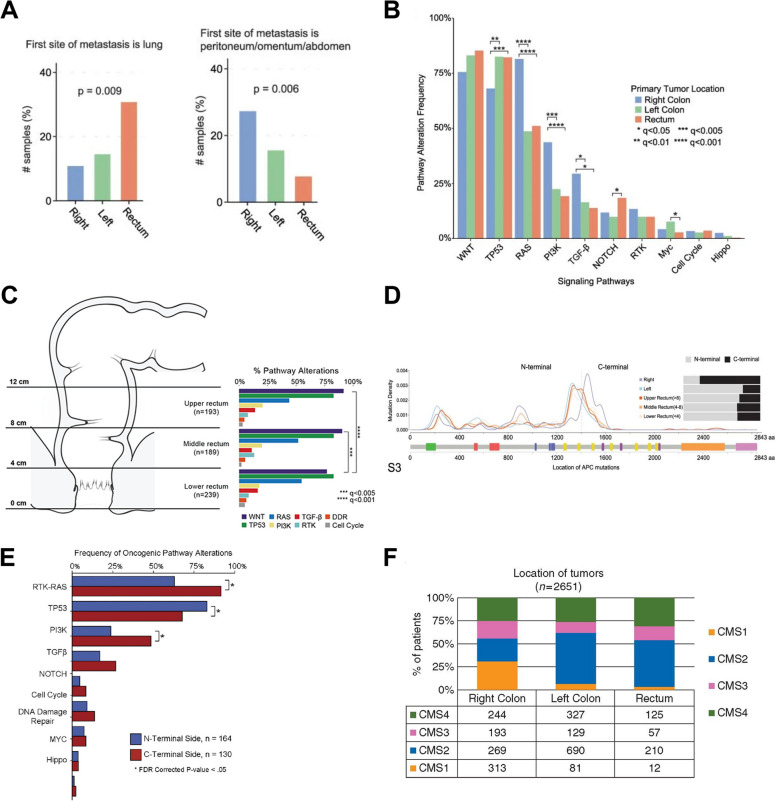
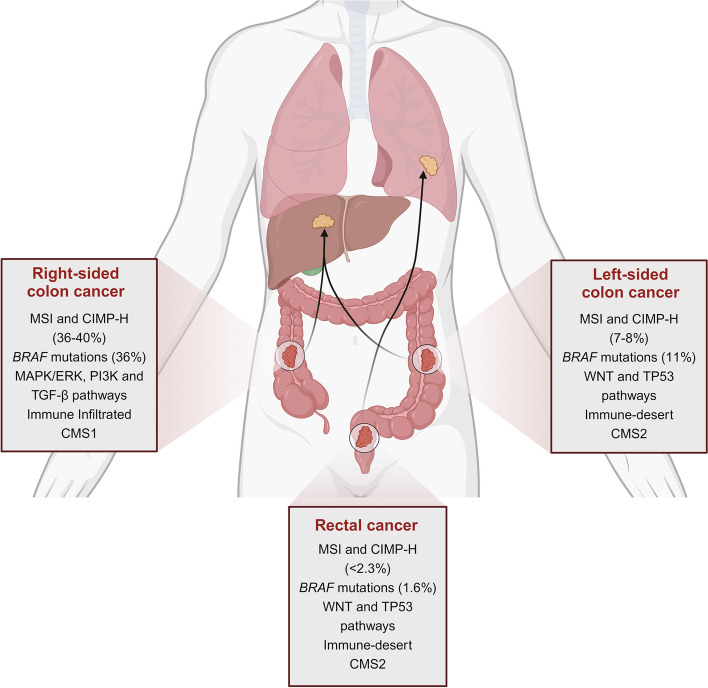
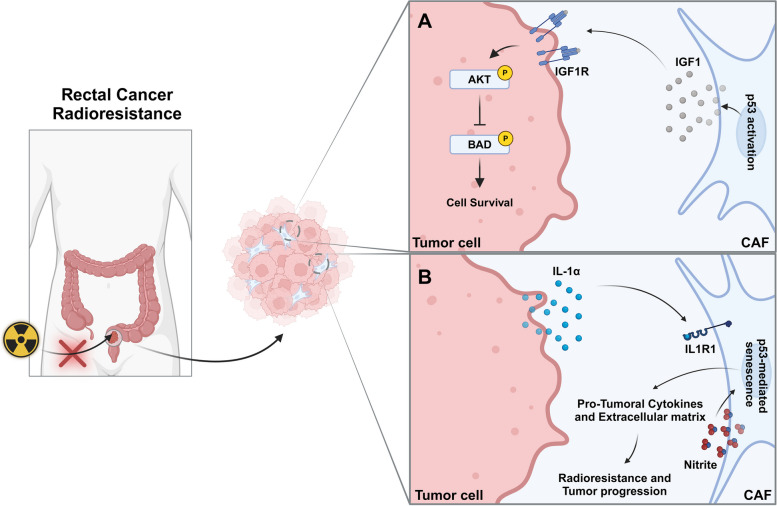
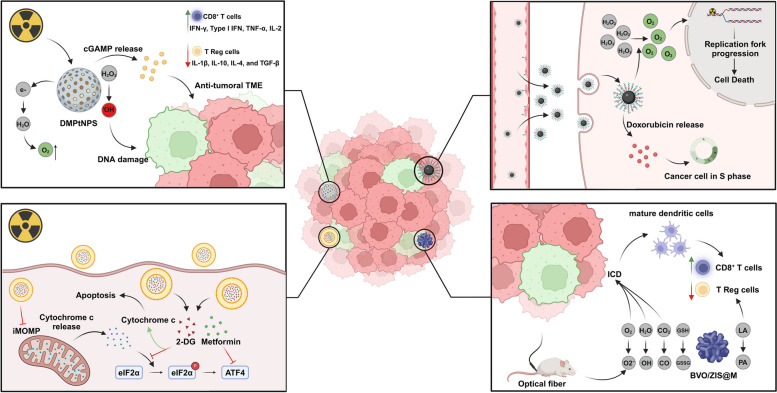
Rectal cancer accounts for over 35% of the worldwide colorectal cancer burden representing a distinctive subset of cancers from those arising in the colon. Colorectal cancers exhibit a continuum of traits that differ with their location in the large intestine. Due to anatomical and molecular differences, rectal cancer is treated differently from colon cancer, with neoadjuvant chemoradiotherapy playing a pivotal role in the control of the locally advanced disease. However, radioresistance remains a major obstacle often correlated with poor prognosis. Multifunctional nanomedicines offer a promising approach to improve radiotherapy response rates, as well as to increase the intratumoral concentration of chemotherapeutic agents, such as 5-Fluorouracil. Here, we revise the main molecular differences between rectal and colon tumors, exploring the complex orchestration beyond rectal cancer radioresistance and the most promising nanomedicines reported in the literature to improve neoadjuvant therapy response rates.
Keywords: Chemoradiotherapy; Nanomedicines; Radioresistance; Rectal cancer; Treatment.
© 2025. The Author(s).
Conflict of interest statement
Declarations. Ethics approval and consent to participate: Not applicable. Consent for publication: Not applicable. Competing interests: The authors declare no competing interests.
Figures


References
Publication types
MeSH terms
Grants and funding
LinkOut - more resources
Full Text Sources
