


Disulfidptosis-related immune patterns predict prognosis and characterize the tumor microenvironment in oral squamous cell carcinoma
- PMID: 39894803
- PMCID: PMC11789412
- DOI: 10.1186/s12903-024-05279-2
Disulfidptosis-related immune patterns predict prognosis and characterize the tumor microenvironment in oral squamous cell carcinoma
Abstract
Background: Establishing a prognostic risk model based on immunological and disulfidptosis signatures enables precise prognosis prediction of oral squamous cell carcinoma (OSCC).
Methods: Differentially expressed immune and disulfidptosis genes were identified in OSCC and normal tissues. We examined the model's clinical applicability and its relationship to immune cell infiltration. Additionally, the risk score, ssGSEA, ESTIMATE, and CIBERSORT were used to evaluate the intrinsic molecular subtypes, immunological checkpoints, abundances of tumor-infiltrating immune cell types and proportions between the two risk groups. GO-KEGG and GSVA analyses were performed to identify enriched pathways.
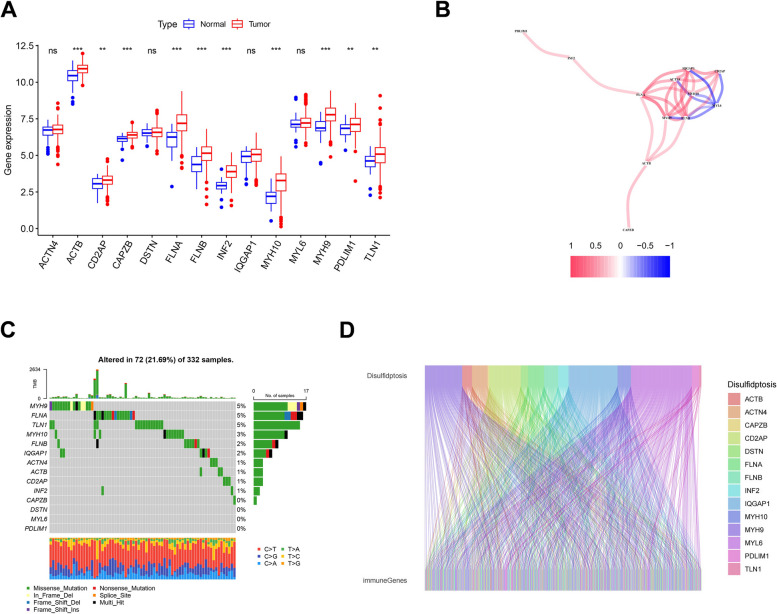
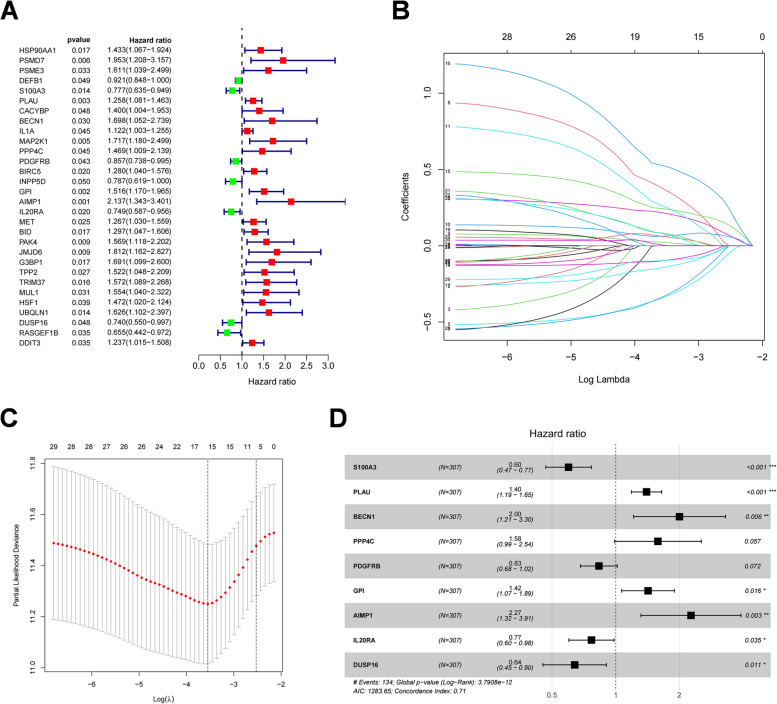
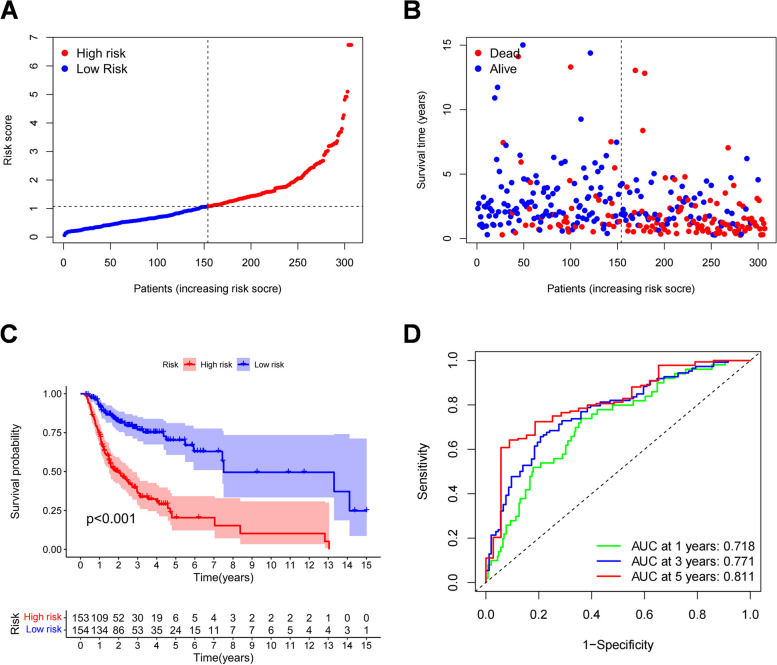
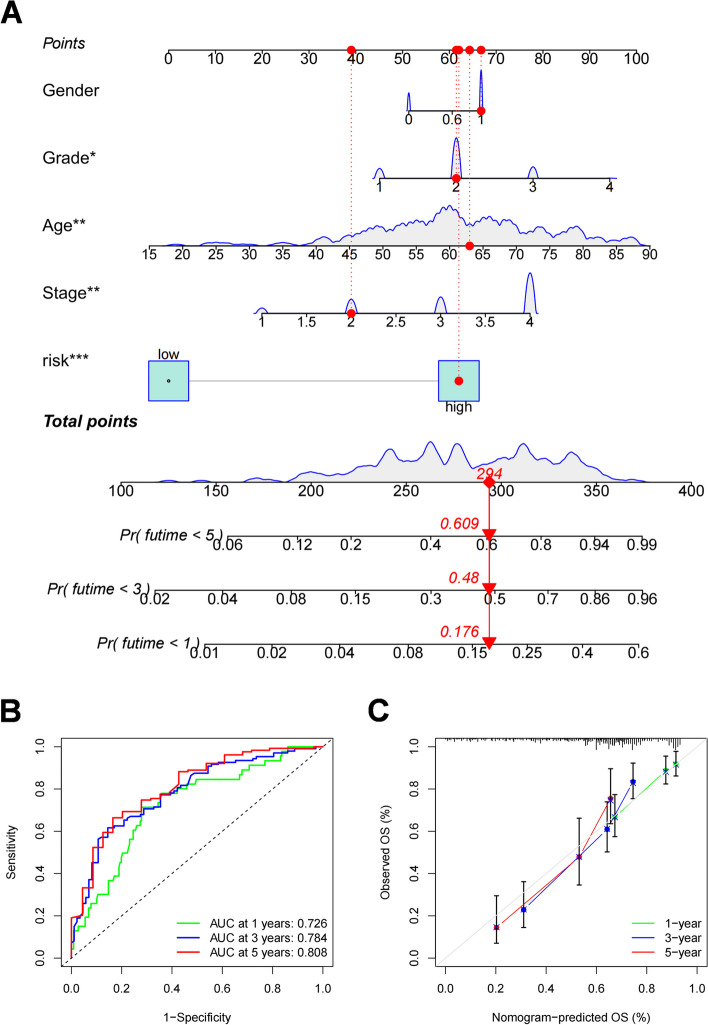
Results: We analyzed the correlation immune genes based on the 14 disulfidptosis-related genes, and found 379 disulfidptosis-related immune genes (DRIGs). After univariate Cox regression we obtained 30 DRIGs and least absolute shrinkage and selection operator (LASSO) regression to reduce the number of genes to 16. Finally we created a nine-DRIGs risk model, of which four were upregulated and five were downregulated. The analysis results showed that disulfidptosis was tightly related to immune cells, immunological-related pathways, the tumor microenvironment (TME), immune checkpoints, human leukocyte antigen (HLA), and tumor mutational burden (TMB). The nomogram, integrating the risk score and clinical factors, accurately predicted overall survival.
Conclusions: This novel risk model highlights the role of disulfidptosis-related immune genes in OSCC prognosis. With this model, we can more accurately predict the prognosis of patients with OSCC, as well as assess the potential effects of their TME and immunotherapy.
Keywords: Disulfidptosis; Immune gene; Oral squamous cell carcinoma; Prognosis; Risk model; TCGA.
© 2025. The Author(s).
Conflict of interest statement
Declarations. Ethics approval and consent to participate: This study was performed in line with the principles of the Declaration of Helsinki. No.2022095 K was approved by Zhongnan Hospital of Wuhan University Medical Ethics Committee. Consent for publication: Not applicable. Competing interests: The authors declare no competing interests.
Figures
References
-
- Warnakulasuriya S. Global epidemiology of oral and oropharyngeal cancer. Oral Oncol. 2009;45(4–5):309–16. - PubMed
-
- Miranda-Filho A, Bray F. Global patterns and trends in cancers of the lip, tongue and mouth. Oral Oncol. 2020;102:104551. - PubMed
-
- Nocini R, Lippi G, Mattiuzzi C. Biological and epidemiologic updates on lip and oral cavity cancers. Ann Cancer Epidemiol. 2020:4. 10.21037/ace.2020.01.01.
-
- Chow LQM. Head and Neck Cancer. N Engl J Med. 2020;382(1):60–72. - PubMed
-
- Ng SW, Syamim Syed Mohd Sobri SN, Zain RB, Kallarakkal TG, Amtha R, Wiranata Wong FA, Rimal J, Durward C, Chea C, Jayasinghe RD et al. Barriers to early detection and management of oral cancer in the Asia Pacific region. J Health Services Res Policy. 2022;27(2):133–140. - PubMed
MeSH terms
Grants and funding
LinkOut - more resources
Full Text Sources
Medical
Research Materials
